Category: info

  • Review of the Best Materials for Concrete Slab Installation in Clinton

    Review of the Best Materials for Concrete Slab Installation in Clinton

    Curing Compounds

    Curing compounds play a crucial role in the success of concrete slab installation. These specialized products help retain moisture in the freshly poured concrete, which is vital for proper hydration and strength development. When applied, curing compounds create a thin film over the surface. This film acts as a barrier, preventing water from evaporating too quickly during the critical curing period.

    Different curing compounds offer varied benefits depending on the specific requirements of a project. Some compounds are designed to enhance curing in hot and windy conditions, while others are suitable for colder environments. Choosing the right curing compound not only aids in achieving optimal compressive strength but also minimizes the risk of surface cracking. Proper selection can greatly influence the longevity and durability of the finished slab.

    Benefits of Different Curing Methods

    Curing compounds play a crucial role in the success of concrete slab installation. They help retain moisture and control temperature fluctuations, which are vital for the hydration process. By preventing rapid evaporation, these compounds reduce the risk of surface cracking and enhance the overall durability of the slab. Different types of curing compounds are available, including water-based and solvent-based options. Selecting the right type ensures that the concrete maintains its intended strength and structural integrity over time.

    Various curing methods offer distinct advantages that can impact the quality of a concrete slab installation. For instance, wet curing involves keeping the surface continuously moist, creating an ideal environment for the concrete to cure properly. In contrast, using curing blankets can provide insulation and retain moisture even in fluctuating temperatures. Each method has its own application scenarios and benefits, often influenced by factors such as climate and project timelines. Understanding these options allows for a more tailored approach to achieving optimal results.

    Understanding Subgrade Materials

    Subgrade materials play a crucial role in concrete slab installation. These materials provide the necessary support and stability for the concrete, helping to distribute loads evenly and prevent future cracking or settling. Common types of subgrade materials include gravel, crushed stone, and sand. Each of these options has distinct properties that affect drainage and compaction, impacting the overall durability of the slab.

    The importance of a solid foundation cannot be overstated. An inadequate subgrade can lead to significant problems down the line, such as uneven surfaces or structural failure. Properly prepared subgrade materials ensure that the concrete slab installation stands the test of time. It is essential to assess the soil quality and make any necessary improvements to achieve optimal results for long-lasting performance.

    Importance of a Solid Foundation

    A solid foundation is crucial for the success of any concrete slab installation. It ensures that the slab remains level and durable over time. Proper subgrade materials, such as compacted gravel or crushed stone, play a significant role in providing stability and drainage. Without a well-prepared base, the concrete may crack or settle unevenly, leading to costly repairs down the line.

    Inadequate preparation of the subgrade can lead to issues like moisture retention and soil erosion. These problems can weaken the slab and compromise its integrity. Investing time and resources in creating a solid foundation will yield better long-term performance for the concrete slab installation, promoting durability and longevity in the completed project.

    Formwork Materials and Techniques

    Choosing the right formwork materials is critical for effective concrete slab installation. Common options include plywood, steel, and aluminum. Plywood is popular due to its affordability and ease of use, making it suitable for small to medium projects. Steel offers durability and strength, making it ideal for larger slab installations. Aluminum, while typically more expensive, is lightweight and reusable, which can save costs in the long run for contractors.

    The techniques used in setting up formwork also play a crucial role in the overall success of the installation. Proper alignment and ensuring that the forms are level will significantly influence the quality of the concrete slab. Using braces can help stabilize the forms and prevent shifting during the pouring process. Ensuring that the formwork is watertight will minimize the risk of material loss, resulting in a cleaner and more precise finish. Each aspect of formwork materials and techniques contributes to a strong and effective concrete slab installation.

    Selecting the Best Forming Systems

    Choosing the right forming system is essential for a successful concrete slab installation. Various options are available, including wood forms, metal forms, and plastic forms. Each type offers distinct benefits. Wood forms are typically preferred for their flexibility and ease of use. Metal forms provide durability and reusable advantages, while plastic forms can be lightweight and versatile for different shapes or designs.

    Compatibility with the specific project requirements plays a key role in the selection process. Factors such as the size and shape of the slab must be considered. Additionally, budget constraints can influence the decision. Properly chosen forming systems ensure that the concrete maintains its shape during the curing process and yields a high-quality finish once the installation is complete.

    FAQS

    What are curing compounds and why are they important for concrete slab installation?

    Curing compounds are materials applied to the surface of freshly poured concrete to retain moisture and promote proper curing. They are important because they help prevent cracking and improve the overall strength and durability of the slab.

    What are the benefits of using different curing methods?

    Different curing methods, such as water curing, curing blankets, or chemical curing compounds, offer unique benefits. Water curing provides consistent moisture, while curing blankets can retain heat. Chemical compounds create a protective film that helps seal in moisture, each method catering to specific project needs and environmental conditions.

    What are subgrade materials, and why do they matter?

    Subgrade materials are the foundational layers beneath a concrete slab, usually consisting of soil, gravel, or crushed stone. They matter because a solid subgrade directly influences the load-bearing capacity and stability of the concrete slab, reducing the risk of settling and cracking over time.

    How can I ensure a solid foundation for my concrete slab?

    To ensure a solid foundation, it’s essential to properly compact the subgrade, use quality materials, and assess soil conditions. Additionally, installing proper drainage and moisture barriers can help maintain stability and prevent future issues.

    What are formwork materials, and what techniques should I consider when installing a concrete slab?

    Formwork materials are temporary structures used to shape and support freshly poured concrete until it hardens. Common materials include wood, metal, and plastic. Techniques to consider include ensuring proper alignment, using sturdy bracing to prevent shifting, and sealing joints to prevent leakage for a smooth finish.
  • Round-Up of Top Tips for a Successful Concrete Slab Installation

    Round-Up of Top Tips for a Successful Concrete Slab Installation

    Formwork Installation Techniques

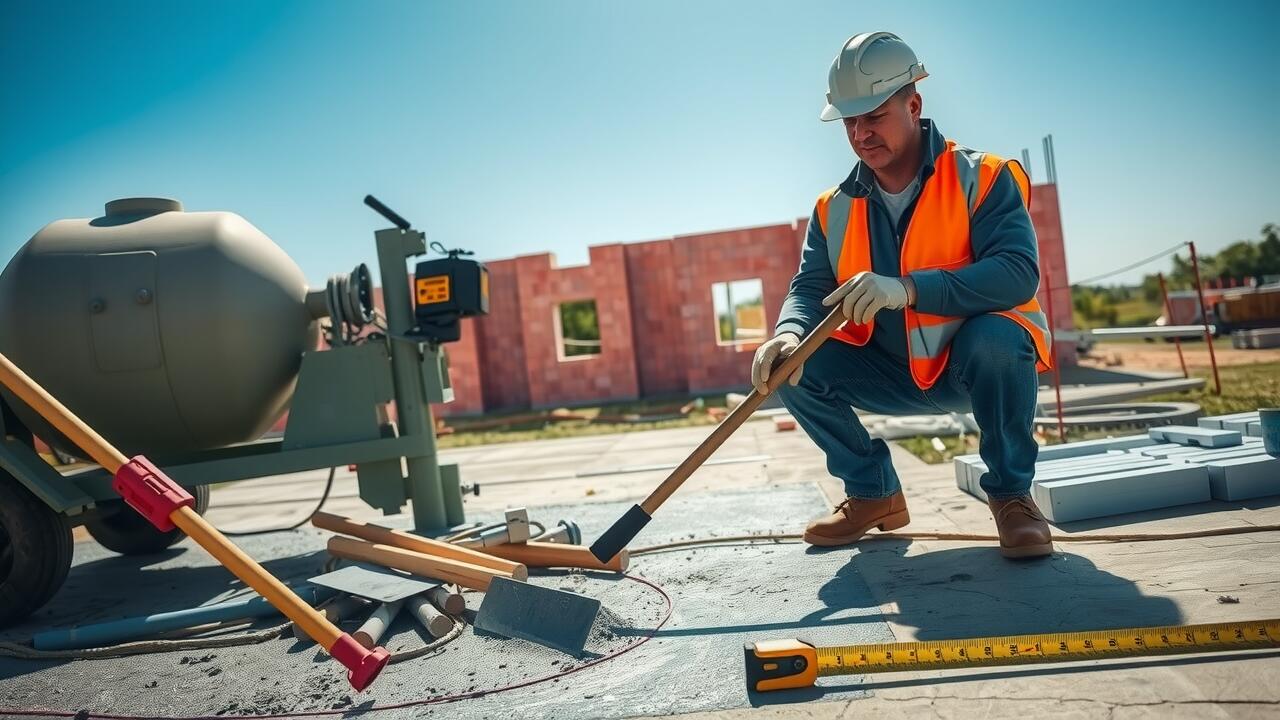
    Proper formwork installation is crucial for a successful concrete slab installation. The forms act as a mold, shaping the concrete as it sets and curing into the desired thickness and dimensions. Start by selecting high-quality materials that can withstand the pressure of wet concrete. Ensure the forms are level and securely anchored to avoid shifting during the pour. Consider using stakes and supports to maintain the integrity of the formwork, especially in larger projects.

    Careful attention to detail during the installation of the formwork can prevent costly mistakes down the line. Maintain clean and straight edges to achieve a polished appearance on the finished slab. When setting up forms, it is essential to account for expansion and contraction, especially in areas with extreme temperature changes. Additionally, using the correct spacing between forms contributes to a uniform slab thickness. Following these techniques will significantly enhance the quality of your concrete slab installation.

    Best Practices for Setting Up Forms

    Proper formwork is essential for successful concrete slab installation. Start by selecting high-quality materials that can withstand the weight of the wet concrete and provide sturdy support. Use wooden or metal forms that are free from warping or damage. Ensure that forms are anchored securely to the ground to prevent shifting during the pouring process. This stability is crucial to maintaining the desired shape and dimensions of the slab.

    Another best practice is to create forms that are perfectly level. Use a level to check that all edges are aligned and that the forms are positioned at the right height. Pay attention to drainage plans and ensure that the forms are set to allow water to flow away from the slab. This will help prevent future issues related to moisture and structural integrity in your concrete slab installation. Properly managing the formwork can significantly impact the overall outcome and longevity of the slab.

    Mixing Concrete Correctly

    Mixing concrete correctly is essential for achieving strength and durability in any concrete slab installation. The right balance of ingredients significantly affects the final product. Standard proportions typically involve one part cement, two parts sand, and three parts gravel, complemented by an appropriate amount of water. It is important to measure all components accurately, as variations can lead to weaknesses in the slab.

    Achieving the right consistency during the mixing process plays a crucial role in the placement and performance of the concrete. The ideal mix should be workable yet not overly soupy, allowing it to hold shape without segregation of materials. A consistent mix allows for easier pouring and better adhesion to reinforcement elements within the slab. Using proper mixing techniques helps ensure that all particles are evenly distributed, resulting in a solid foundation for your concrete slab installation.

    Tips for Achieving the Right Consistency

    Achieving the right consistency for concrete is crucial in any concrete slab installation project. The ideal mix should have a balance of water, cement, and aggregates, ensuring that it is workable yet strong. It is essential to measure each component accurately to avoid problems later. Adding too much water can weaken the structure, while an overly dry mix may result in difficulties during pouring and finishing.

    To gauge the consistency, a slump test can be performed. This test involves filling a cone-shaped mold with the concrete mixture and then carefully lifting the cone away. The slump height will indicate whether the mix is too wet or too dry. Adjustments can be made by adding small amounts of water or dry ingredients as needed. Monitoring these factors closely helps secure a successful concrete slab installation and ensures the longevity of the finished surface.

    Pouring the Concrete Efficiently

    Pouring concrete efficiently is crucial for a successful concrete slab installation. Begin by ensuring that the forms are secured and free of debris. This preparation prevents any interruptions during the pour. Employ a concrete pump or chute for faster application, as this method minimizes spillage and ensures a more uniform distribution across the slab area. Pay attention to the flow of concrete, guiding it toward the corners to achieve even coverage.

    Utilizing multiple workers can also enhance the efficiency of the pouring process. Designate specific tasks to each team member, such as one person managing the concrete source while others spread and level the mix. Using rakes or shovels helps to direct the concrete into place and prevents any low spots from forming. Monitoring the pour closely allows for timely adjustments, helping to maintain the integrity of the slab throughout the concrete slab installation.

    Techniques for Even Distribution

    Achieving even distribution during a concrete slab installation is crucial for ensuring a level surface. Begin by pouring the concrete in a series of systematic passes, allowing it to flow naturally into the formwork. Monitor the material as it spreads, using a screed board to level the surface thoroughly. This technique helps eliminate air pockets and voids, which can compromise the integrity of the slab.

    Use a bull float to further enhance the initial distribution of the concrete, pushing the material into low spots while smoothing the surface. This tool is essential in maintaining a consistent thickness across the entire slab. Pay particular attention to the edges and corners, as these areas often require additional care to ensure that the mix is evenly distributed. Proper techniques during this phase will lead to a stronger and more durable finished product.

    FAQS

    What is formwork in concrete slab installation?

    Formwork refers to the temporary structures built to hold the concrete in place while it sets and hardens, ensuring the slab maintains its desired shape.

    How can I ensure the forms are properly set up?

    To ensure proper setup, make sure the forms are level, securely braced, and constructed from materials that can withstand the weight of the wet concrete without warping or shifting.

    What is the ideal consistency for mixing concrete?

    The ideal consistency for mixing concrete is often described as peanut butter – it should be thick enough to hold its shape but still flowable enough to fill the forms without leaving gaps.

    What techniques can I use for evenly pouring concrete?

    Techniques for even distribution include using a concrete screed to level the surface, starting the pour at one end and working to the other, and using a vibrator to eliminate air pockets and ensure even coverage.

    How long should I wait before removing the formwork after pouring the concrete?

    Generally, you should wait at least 24 to 48 hours before removing the formwork, but it’s best to follow the specific guidelines for the concrete mix used and environmental conditions to ensure proper curing.

  • Review of the Best Patio Installation Contractors in Clinton, Arkansas

    Review of the Best Patio Installation Contractors in Clinton, Arkansas

    Timeframes for Patio Installation Projects

    The timeframes for patio installation projects can vary significantly based on project complexity and size. Smaller patios, such as those made from pavers or concrete, can usually be completed within a few days. In contrast, larger, more elaborate installations that include features like retaining walls or intricate designs may take a week or longer to finish. Proper planning and scheduling are essential in ensuring that the project stays on track and meets the homeowner’s expectations.

    Weather conditions also play a crucial role in determining how quickly patio installation can be completed. Rain, heat, or unexpected cold snaps can delay timelines since these conditions can impact the curing process of materials such as concrete. Homeowners should communicate openly with their contractors about any potential delays and be prepared to adjust timelines as necessary. Ultimately, understanding the expected duration can help in managing the overall project effectively.

    Average Duration for Various Types of Projects

    The average duration for various types of patio installation projects can vary significantly based on several factors such as design complexity, material selection, and weather conditions. Simpler projects, such as those using pre-cast pavers or gravel, may take approximately one to three days to complete. More intricate designs featuring custom layouts or multiple materials might require anywhere from a week to several weeks for installation.

    In addition to design factors, the size of the patio plays a crucial role in determining the duration of the installation process. Smaller patios generally see quicker turnaround times, while larger expanses naturally need more time for preparation and execution. It is essential for homeowners to communicate their timelines with contractors at the outset to ensure that expectations align with the project’s specifics.

    Benefits of Professional Patio Installation

    Professional patio installation offers a level of expertise that can transform outdoor spaces into functional retreats. Contractors have the knowledge to design layouts that complement your property while considering aspects like drainage, soil stability, and climate impact. Their experience ensures that the project adheres to local regulations and permits, minimizing the likelihood of costly mistakes that DIY efforts might incur.

    Moreover, professional installers typically provide a warranty on their work, offering peace of mind in case issues arise after the project is completed. They are equipped with the right tools and materials, which can lead to a more streamlined and efficient process. This not only saves time but also enhances the overall quality of the installation, resulting in a patio that can withstand the test of time and weather.

    Enhancing Outdoor Space and Property Value

    A well-executed patio installation can transform an ordinary outdoor area into a stunning extension of the home. Choosing the right design and materials enhances the beauty of the landscape. Homeowners often use the patio as a gathering space for family and friends. This creates a more inviting atmosphere and encourages outdoor living experiences.

    Beyond aesthetics, a new patio can significantly increase property value. Potential buyers frequently look for homes with functional and attractive outdoor spaces. A carefully planned patio installation offers not only immediate enjoyment but also long-term financial benefits. Investing in quality materials and skilled labor ensures lasting appeal and functionality for years to come.

    Common Patio Materials Used

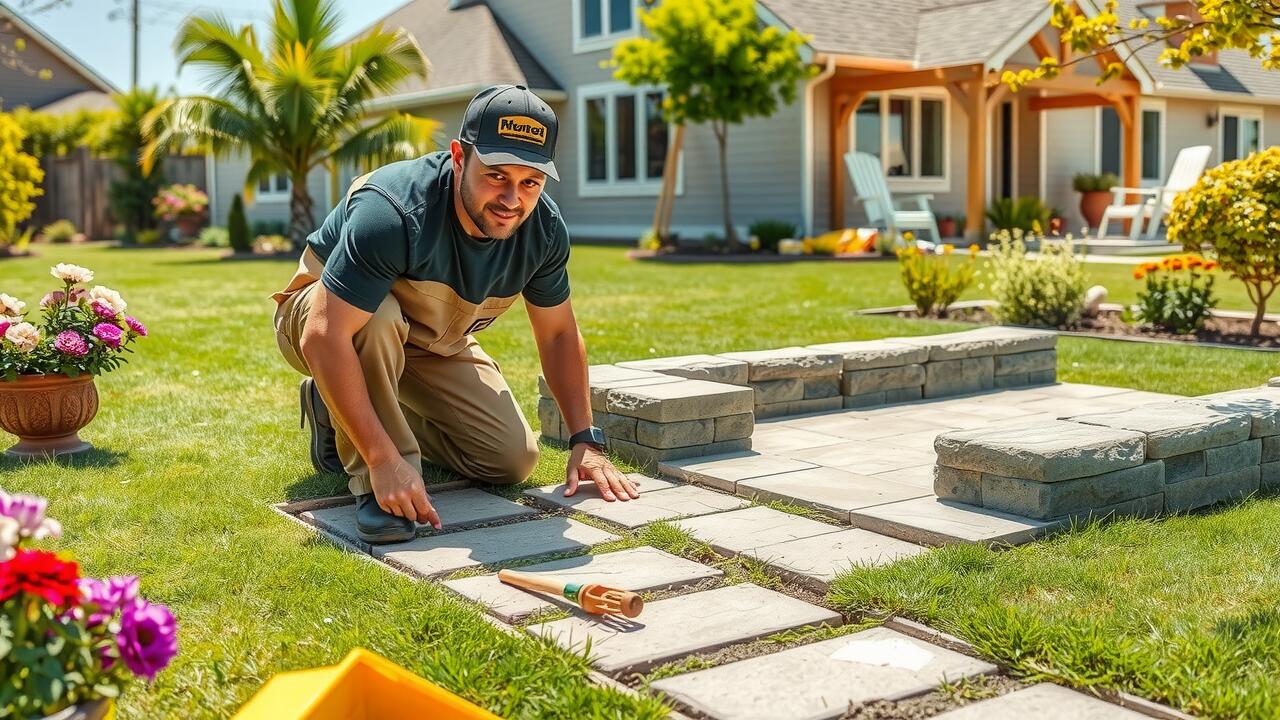
    When considering patio installation, homeowners often choose from several materials that suit their style and budget. Concrete is a popular choice due to its durability and versatility. It can be stamped or stained to resemble more expensive materials while remaining cost-effective. Pavers are another option, offering a wide range of designs and colors. They allow for easy repairs since individual pieces can be replaced if damaged.

    Natural stone lends an elegant touch to patio installations. Materials like flagstone and slate provide unique textures and colors, enhancing the aesthetic appeal of outdoor spaces. However, natural stone can be pricier and may require more maintenance over time. Wood and composite decking also appeal to some homeowners for their warmth and comfort but can have varying lifespans based on exposure to the elements. Each material has its pros and cons, making it essential to evaluate personal preferences and environmental factors when planning a patio installation.

    Pros and Cons of Different Material Options

    When considering patio installation, the choice of materials plays a crucial role in the overall success and durability of the project. Concrete offers a robust and low-maintenance solution, ideal for those seeking longevity in their outdoor space. However, it can crack over time and lacks the aesthetic appeal of other options. Brick provides classic charm and excellent durability, but it may also require more maintenance, especially in terms of weed control between the joints. Similarly, natural stone can be visually stunning and unique, yet it tends to be one of the more expensive options.

    Other materials, such as pavers, offer versatility and an array of design possibilities, allowing homeowners to create custom patterns. They are easier to repair than concrete since only the damaged stones need replacing. On the downside, pavers may shift or settle over time, which requires periodic maintenance to keep the surface level. Finally, wood decks provide warmth and a natural look but are often susceptible to rot and insect damage, necessitating regular upkeep. Each material presents a unique blend of benefits and drawbacks that should be considered carefully during the patio installation process.

    FAQS

    How long does a typical patio installation project take?

    The duration of a patio installation project can vary based on the type and size of the patio, but most projects generally take anywhere from a few days to a couple of weeks.

    What are the benefits of hiring a professional patio installation contractor?

    Professional contractors bring expertise, efficiency, and quality workmanship to the project. They also ensure compliance with local regulations and can enhance the overall look and value of your outdoor space.

    What are the most common materials used for patio installations?

    Common materials for patio installations include concrete, pavers, brick, natural stone, and wood. Each material has its own set of benefits and drawbacks.

    How do I choose the right material for my patio?

    Consider factors such as durability, maintenance requirements, cost, and how the material complements your home and landscape. Consulting with a professional can also help you make the best choice.

    Can I install a patio myself, or should I hire a contractor?

    While some homeowners may choose to install a patio themselves, hiring a contractor can save time and ensure a professional finish. It is especially recommended for larger or more complex projects.

  • How much does a 20×20 concrete slab cost?

    How much does a 20×20 concrete slab cost?

    DIY vs. Hiring a Professional

    Choosing between a DIY approach and hiring a professional for concrete slab installation can significantly impact both cost and outcome. DIY enthusiasts may enjoy the process, potentially saving on labor costs. However, this route often requires substantial knowledge of mixing, pouring, and leveling concrete. Mistakes made during installation can lead to additional expenses and time-consuming repairs down the line.

    On the other hand, hiring professionals brings expertise and experience to the project. Skilled contractors are familiar with local building codes and can ensure that the slab is correctly installed for durability. While the upfront cost may be higher, the long-term benefits include reduced maintenance and enhanced structural integrity. Investing in professional installation can provide peace of mind, knowing that the work meets industry standards.

    Pros and Cons of Each Approach

    When considering Concrete Slab Installation, a DIY approach can be cost-effective. Homeowners can save on labor costs and gain valuable experience by tackling the project themselves. However, this method demands a significant investment of time and effort. A lack of expertise may result in costly mistakes and an uneven surface, potentially compromising the durability of the slab.

    On the other hand, hiring a professional ensures quality workmanship and adherence to local building codes. Professionals bring experience, specialized tools, and knowledge that can streamline the process. This option typically incurs higher costs. There is a risk of hiring an inexperienced contractor, which could result in unexpected expenses or delays in project completion.

    Seasonal Price Fluctuations

    Seasonal fluctuations in price can significantly impact the cost of concrete slab installation. During the warmer months, demand for concrete work typically rises as contractors and homeowners take advantage of favorable weather conditions. This increased demand can drive up prices, particularly in late spring and summer when outdoor projects peak. In contrast, colder months may see a reduction in demand, leading to lower prices. However, concrete installation in cold weather can present challenges and may require additional measures to ensure quality.

    Various regional factors also influence concrete pricing throughout the year. Local construction demand, availability of materials, and overall economic conditions can cause prices to vary even in the same season. For example, areas experiencing a construction boom may face higher costs due to local market competition. Understanding these seasonal trends can help homeowners better plan their concrete slab installation and budget accordingly. Being aware of the optimal times for purchasing materials and scheduling work can lead to significant savings.

    Best Times for Concrete Projects

    The timing of concrete slab installation can significantly affect both the cost and quality of the project. Late spring through early fall is generally considered the best season for such projects. The milder temperatures during these months help in achieving optimal curing conditions. In contrast, summer heat can lead to rapid evaporation, which may require additional measures to maintain workability and finish. Conversely, winter months can pose challenges related to freezing temperatures that hinder the curing process and increase the risk of surface defects.

    Planning concrete slab installation during these peak seasons can also enhance overall project efficiency. Contractors often have more availability and resources when demand is lower, resulting in better scheduling and potentially lower prices. Additionally, local weather conditions play a crucial role in project timelines. A warm and dry climate can expedite the curing phase, while wet or cold conditions may delay the project. Keeping these seasonal factors in mind can help ensure a successful installation experience.

    Long-term Benefits of Investing in Quality Slabs

    Investing in a quality concrete slab installation can provide significant long-term benefits. A well-constructed slab offers enhanced durability, resisting cracking and degradation under pressure or weather fluctuations. This resilience can lead to less frequent repairs or replacements, making it a wise investment for homeowners and builders alike. The proper materials and techniques used during installation ensure a solid foundation that can support various structures, be it driveways, patios, or garages.

    Maintenance is another critical consideration when evaluating the long-term value of concrete slabs. High-quality installations typically require less upkeep, leading to lower maintenance costs over time. Sealing the slab and addressing minor issues promptly can extend its lifespan even further. By opting for a quality concrete slab installation, property owners can enjoy peace of mind, knowing their investment will stand the test of time while enhancing the aesthetic and functional appeal of their space.

    Durability and Maintenance Considerations

    When considering a 20×20 concrete slab, durability should be a primary factor. A well-installed concrete slab can withstand heavy loads and resist damage from environmental conditions. High-quality materials and proper mix design ensure that the slab remains intact for many years. Regular maintenance, including sealing and cleaning, can enhance its longevity and appearance, making concrete an attractive long-term investment for various applications.

    Maintenance requirements for a concrete slab are generally minimal compared to other materials. Occasional cleaning helps prevent staining and debris buildup, while applying a sealant every few years can protect the surface from moisture penetration and cracking. During the planning phase of your project, prioritize a thorough assessment of your needs and environment. Choosing experienced professionals for Concrete Slab Installation can make a significant difference in performance and durability over time.

    FAQS

    What is the average cost of a 20×20 concrete slab?

    The average cost of a 20×20 concrete slab typically ranges between $1,200 and $2,500, depending on factors like location, material quality, and labor costs.

    What factors can affect the cost of a concrete slab?

    The cost of a concrete slab can be influenced by several factors including materials, labor, site preparation, and any additional features such as reinforcement or decorative finishes.

    Is it cheaper to do a DIY concrete slab project?

    While a DIY approach can save on labor costs, it may require a significant investment in tools, materials, and your time. Hiring a professional can ensure better quality and efficiency.

    When is the best time to pour a concrete slab?

    The best times for concrete projects are typically during mild weather conditions, avoiding extreme heat or cold. Spring and fall are usually ideal seasons for pouring concrete.

    How long does a concrete slab take to cure?

    A concrete slab generally takes about 28 days to fully cure, but it can be walked on after 24 to 48 hours. It’s important to follow curing guidelines for optimal durability.

  • How much does it cost to put stamped concrete over existing concrete?

    How much does it cost to put stamped concrete over existing concrete?

    Essential Preparatory Steps

    Before embarking on stamped concrete installation, a thorough cleaning of the existing surface is essential to ensure proper adhesion. This process involves removing any debris, dirt, or oil stains that may interfere with the bond between the old concrete and the new layer. A pressure washer can be effective for deep cleaning, while repairs to any cracks or surface damage should be made to create a smooth, uniform base. This step is crucial as it helps prevent future issues that can arise from inadequate surface preparation.

    The next step involves evaluating the integrity of the existing concrete. Assessing for any significant cracks, heaving, or other structural issues will determine whether additional repairs or even removal of the old concrete is necessary before moving forward with the stamped concrete installation. Choosing to address these issues upfront can save time and money in the long run by reducing the risk of complications during and after the installation process. Ensuring a solid foundation will contribute to the longevity and durability of the new stamped surface.

    Assessing the Existing Concrete

    Before embarking on stamped concrete installation, a thorough assessment of the existing concrete surface is crucial. This evaluation helps identify any damage or imperfections that may affect the overall integrity and appearance of the new surface. Cracks, holes, or uneven areas must be addressed to ensure that the stamped concrete adheres properly. Additionally, the age of the existing concrete should be considered, as older surfaces may require more extensive repairs or even a leveling compound to create a suitable base.

    Understanding the condition of the existing concrete not only affects the aesthetic outcome but also plays a role in cost estimation. Repairing underlying issues may add to the overall expense, so a complete inspection can provide a more accurate assessment of potential costs. A well-prepared foundation allows for a seamless stamped concrete installation, helping to prevent future complications and ensuring that the new surface lasts for years to come.

    Choosing the Right Contractor

    Selecting the right contractor for stamped concrete installation is crucial to achieving a durable and aesthetically pleasing result. Start by looking for professionals with a solid track record in the specific service you need. Request portfolios of previous work to ensure their style aligns with your vision. Assessing their familiarity with different stamping techniques can also provide insight into their skill level. You can find potential candidates through recommendations or online reviews. It’s essential to gather multiple estimates to compare pricing and service offerings.

    Once you have a list of potential contractors, consider their experience and reputation in the industry. A contractor with several years of experience in stamped concrete installation may be more effective at navigating project challenges. Inquire about their licensing and insurance to protect yourself from liabilities. Reviews and testimonials from past clients can showcase the contractor’s reliability and the quality of their work. These factors will help you make an informed choice that fits your project needs and budget.

    Evaluating Experience and Reputation

    When selecting a contractor for your stamped concrete installation, experience plays a critical role in ensuring quality workmanship. A contractor with a solid track record in this specialty will have encountered various challenges and developed techniques to address them effectively. Look for portfolios that showcase past projects. This will provide insight into their style and capabilities. Reviews and testimonials from previous clients can also reveal valuable information about their work ethic and reliability.

    Reputation within the community is another important factor to consider. A contractor known for their professionalism and quality service will likely be well-regarded among property owners. Checking their standing with local trade organizations or business bureaus can offer additional assurance. Engaging with past clients can provide firsthand accounts of their experiences, helping you gauge whether the contractor is the right fit for your stamped concrete installation project.

    Maintenance Costs Over Time

    Maintaining stamped concrete requires a commitment to regular care to ensure its longevity and appearance. Basic maintenance includes routine cleaning with mild soap and water to prevent the buildup of dirt and algae. Moreover, applying a sealant every few years helps protect against stains and wear. These steps can significantly extend the life of the stamped concrete installation, keeping it looking fresh and vibrant.

    In addition to regular cleaning and sealing, it’s vital to address any cracks or surface damage promptly. This proactive approach can prevent larger issues that might arise over time. Repair costs can vary based on the extent of the damage, but budgeting for occasional touch-ups or repairs should be part of the long-term maintenance plan for stamped concrete surfaces. Maintaining the integrity of the installation ultimately helps preserve its aesthetic appeal and functionality.

    Long-Term Care and Upkeep

    Maintaining stamped concrete requires attention to detail to ensure its appearance and durability remain intact over time. Regular cleaning is essential to prevent dirt, grime, and debris from accumulating on the surface. A simple wash with a mild detergent and water can help maintain its aesthetic appeal. Sealing the concrete at regular intervals adds a layer of protection against stains and moisture, contributing to its long-term longevity.

    In addition to routine cleaning and sealing, it is crucial to monitor for cracks or damage. Even slight wear can become larger over time if not addressed promptly. Repairing any issues as they arise helps avoid more significant problems in the future. Choosing a reliable professional for stamped concrete installation can make a significant difference in the material’s resilience, ensuring that it withstands the elements well over the years.

    FAQS

    What is the average cost of installing stamped concrete over existing concrete?

    The average cost typically ranges from $8 to $15 per square foot, depending on various factors such as the complexity of the design, the thickness of the overlay, and local labor rates.

    Are there additional costs involved aside from the installation?

    Yes, there may be additional costs for preparatory work, such as repairing the existing concrete, applying a sealant, and potential maintenance over time.

    How long does it take to install stamped concrete over existing concrete?

    The installation process generally takes about 1 to 3 days, depending on the size of the area and the weather conditions, but curing may require additional time before use.

    Is it necessary to hire a contractor for this project?

    While it is possible to undertake a DIY project, hiring a professional contractor is recommended for the best results, as they have the experience and tools needed for proper installation.

    What kind of maintenance is required for stamped concrete?

    Maintenance typically includes regular cleaning, resealing every 2 to 3 years, and addressing any cracks or chips promptly to ensure the longevity of the surface.

  • How much does it cost to hire someone to build a patio?

    How much does it cost to hire someone to build a patio?

    Seasonal Pricing Adjustments

    The cost of patio installation often fluctuates based on the season in which the work is performed. Demand for outdoor construction projects generally peaks in the spring and summer months as homeowners take advantage of favorable weather conditions. During this busy period, labor rates can increase due to higher demand for skilled workers and available resources, which can ultimately impact the overall cost of building a patio.

    Conversely, hiring a contractor in the fall or winter may result in lower labor costs. Many builders experience a slowdown during these colder months, leading to competitive pricing as they seek to fill their schedules. Seasonal discounts may be available for projects scheduled during off-peak times, making it an attractive option for budget-conscious homeowners looking to complete patio installation without breaking the bank.

    How Weather Influences Labor Rates

    Weather has a significant impact on labor rates for patio installation. In regions with harsh winter conditions, contractors may have limited working days, leading to higher prices in the spring and summer months when demand surges. Rain or extreme heat can also affect scheduling, pushing labor costs up as workers try to complete projects within a narrower timeframe.

    Seasonal changes can dictate the availability of builders. During milder weather, more homeowners seek patio installation, which can create a competitive market. When many contractors are busy, their rates may increase due to high demand. Conversely, during milder seasons, builders might lower their prices to attract more clients, resulting in a varied rate structure based on the time of year.

    Finding Qualified Patio Builders

    When looking for qualified patio builders, it’s essential to start by researching local contractors who specialize in patio installation. Online reviews and referrals from friends or family can provide insight into the quality of work and customer service. Many builders often showcase their previous projects on social media or websites. This portfolio can be an excellent way to gauge their style and expertise.

    Once you’ve shortlisted potential contractors, it’s important to evaluate their experience in patio installation. Ask about the types of materials they typically work with and the designs they can create. Inquire about their licenses and insurance coverage to ensure that they are qualified to handle the project. This diligence will help ensure you choose a patio builder who meets your expectations and can deliver high-quality results.

    Tips for Evaluating Contractor Experience

    When evaluating a contractor’s experience, it’s important to check their track record specifically with patio installation projects. Look for a portfolio that showcases completed work, including photos and descriptions of various patio styles. Additionally, consider how long the contractor has been in the business and whether they specialize in outdoor constructions. A lengthy tenure often indicates a depth of knowledge and skills honed over time, which can be critical for achieving a high-quality result.

    Customer reviews and testimonials can provide insight into a contractor’s reliability and workmanship. Pay attention to feedback regarding communication, adherence to timelines, and overall satisfaction with the patio installation. Asking for references allows potential clients to speak directly to previous customers about their experiences. This firsthand information can help you gauge the contractor’s professionalism and whether they can meet your specific needs for your patio project.

    Getting Accurate Estimates

    When considering a patio installation, obtaining accurate estimates is crucial for budgeting. Homeowners should request multiple quotes from different contractors to understand the price range and compare services. A thorough estimate will detail costs associated with materials, labor, and any additional fees. Some contractors may offer a flat rate, while others may itemize their charges. This breakdown helps in identifying any potential hidden costs and allows homeowners to make informed decisions.

    It’s important to ensure that estimates are based on the same specifications. Changes in design, material quality, or project scope can lead to significantly different prices. Therefore, communicating your vision clearly and ensuring all contractors base their estimates on the same parameters is essential. Having a detailed contract can prevent misunderstandings down the line and ensure that the patio installation meets your expectations within your budget.

    Importance of Detailed Quotes and Specifications

    When undertaking a patio installation project, obtaining detailed quotes is critical. A well-structured quote outlines the cost of materials, labor, and any additional charges. This transparency helps homeowners compare different bids and ensures they understand what is included in the overall price. A detailed breakdown reduces the risk of unexpected expenses arising during the construction process.

    Specifications play a vital role in ensuring the patio installation meets the homeowner’s expectations. Clear details about the type of materials, design elements, and dimensions create a mutual understanding between the homeowner and the contractor. This level of specificity allows for more accurate estimates and minimizes the likelihood of miscommunication, contributing to a smoother project execution.

    FAQS

    What is the average cost to hire someone to build a patio?

    The average cost to hire someone to build a patio can range from $5 to $15 per square foot, depending on materials, size, and complexity of the design.

    How do seasonal changes affect patio construction costs?

    Seasonal changes can influence costs, as demand for labor and materials can fluctuate. Typically, prices may be higher during peak seasons like spring and summer when many homeowners choose to build patios.

    What should I look for when finding a qualified patio builder?

    When searching for a qualified patio builder, consider their experience, customer reviews, portfolio of previous work, and whether they have the proper licenses and insurance.

    How can I evaluate a contractor’s experience in building patios?

    You can evaluate a contractor’s experience by asking for references, reviewing their past projects, checking for any certifications or special training, and confirming how long they have been in business.

    Why is it important to get detailed quotes for patio construction?

    Detailed quotes are crucial because they provide a clear breakdown of costs, including materials, labor, and any additional services. This transparency helps you avoid unexpected expenses and ensures that you understand exactly what you’re paying for.

  • How much should I expect to pay for a concrete slab?

    How much should I expect to pay for a concrete slab?

    Geographic Variations in Pricing

    Regional differences significantly impact the cost of concrete slab installation. Urban areas often see higher prices due to increased demand for construction services, limited space, and the cost of living. Conversely, rural locations may offer more competitive rates as labor and material costs tend to be lower. Availability of local suppliers can also influence pricing, with areas that have easy access to quality aggregates and materials experiencing more stable prices.

    Labor costs are another key factor that varies across geographic areas. Regions with a higher concentration of skilled workers may charge more for labor, but this can also correlate with the quality of the installation. Additionally, local regulations and building codes may necessitate specific practices or materials, which can further affect the overall expense of concrete slab installation. Understanding these geographic nuances can help homeowners and contractors budget more accurately for their projects.

    How Location Affects Costs

    Regional variations in the cost of concrete slab installation often reflect differences in local labor rates, material availability, and demand. Urban areas typically exhibit higher prices due to increased overhead and competition. In contrast, rural regions might offer more affordable options, but their pricing can be influenced by transportation costs and the fewer available contractors.

    Local regulations and building codes can also play a role in determining the overall expense of concrete slab installation. Areas with stricter requirements may necessitate additional materials or specialized labor, which could elevate costs. Understanding these factors will help homeowners better estimate their budget based on their specific geographical location.

    Seasonal Considerations for Concrete Work

    Seasonal factors play a significant role in determining the overall cost and scheduling of concrete slab installation. In colder months, the risk of freezing can cause complications during the curing process, potentially leading to structural weaknesses. Contractors may also charge more for winter work due to the additional precautions needed, such as heating equipment or insulating blankets. In contrast, the warmer months generally provide a more favorable environment for concrete work, allowing contractors to complete projects more efficiently and often at lower costs.

    Weather conditions can also impact the scheduling of concrete slab installation. Heavy rainfall or prolonged wet conditions can delay projects, necessitating adjustments to timelines. These disruptions can influence labor costs, as contractors may need to adjust their schedules or move resources around to accommodate delays. Overall, being aware of seasonal considerations helps homeowners plan their concrete projects more effectively and understand the potential impacts on pricing.

    Weather Impacts on Price and Scheduling

    Weather significantly influences the cost and scheduling of concrete slab installation. Adverse conditions such as rain, snow, or extreme temperatures can delay projects, leading to increased labor costs as contractors need to reschedule. Additionally, unfavorable weather may require added materials or equipment such as tarps or heaters to ensure proper curing of the concrete. This unpredictability adds to the overall expense of the installation process.

    Seasonal changes also play a crucial role in determining pricing. Summer months may see higher demand for concrete work, which can drive up costs due to contractor availability. Conversely, winter projects might require special precautions, potentially increasing both material and labor expenses. Understanding these weather-related factors can help homeowners and builders anticipate expenses and plan for affordable concrete slab installation.

    Long-Term Costs of Concrete Slabs

    Investing in concrete slab installation involves more than just the upfront costs. It’s essential to consider long-term expenses related to maintenance and repairs. While concrete is generally durable, factors such as weather conditions and usage can lead to wear over time. Minor cracks or surface issues may require sealing or resurfacing to extend the slab’s lifespan. Regular maintenance can help prevent more severe problems, which could incur significant costs if left unaddressed.

    Additionally, environmental elements may necessitate additional expenses in certain climates. In regions with extreme temperatures or heavy rainfall, for instance, settling or erosion can become issues that impact the slab’s integrity. Owners should also factor in the effects of heavy equipment or vehicles parked on or driving over the slab. Planning for these long-term considerations will ensure that the initial investment in concrete slab installation pays off over the years.

    Maintenance and Repair Expenses

    Regular maintenance is essential to extend the lifespan of a concrete slab. Cracks and surface wear can develop over time due to environmental factors or heavy use. Addressing these issues promptly can prevent more significant damage and costly repairs later. Common maintenance tasks include sealing the surface to protect it from moisture and applying a concrete cleaner to keep the slab looking its best.

    Repair expenses can vary depending on the severity of the damage to the concrete slab. Minor cracks may only require a simple patching solution, while larger issues might necessitate significant work. Investing in proper care immediately after concrete slab installation can mitigate long-term costs. Understanding these potential expenses can help homeowners budget effectively for their concrete projects.

    FAQS

    What factors influence the cost of a concrete slab?

    The cost of a concrete slab can be influenced by several factors including geographic location, the size and thickness of the slab, the complexity of the design, and any required site preparation or additional features such as reinforcement.

    How do geographic variations impact the price of a concrete slab?

    Geographic variations can significantly impact pricing due to differences in labor costs, material availability, and regional demand for concrete services. Urban areas typically have higher costs compared to rural locations.

    Does weather impact the cost of pouring a concrete slab?

    Yes, weather conditions can affect both pricing and scheduling. For instance, extreme heat or cold may require additional materials or methods to ensure proper curing, which can increase costs.

    What are some long-term costs associated with concrete slabs?

    Long-term costs may include maintenance and repair expenses, such as sealing, resurfacing, or fixing cracks, which can vary based on environmental factors and the quality of the initial installation.

    What is the average cost per square foot for a concrete slab?

    The average cost for a concrete slab typically ranges from $4 to $8 per square foot, depending on various factors such as location, thickness, and any additional finishes or treatments required.

  • Is stamped concrete worth the money?

    Is stamped concrete worth the money?

    Environmental Considerations

    The environmental impact of stamped concrete installation is an important consideration for many homeowners. This process often consumes fewer resources compared to traditional paving options. The use of locally sourced materials can further reduce the carbon footprint associated with transporting concrete. Additionally, the longevity of stamped concrete minimizes the need for frequent replacements, reducing waste over time.

    Water drainage is another factor to consider. Properly executed stamped concrete installation can incorporate drainage solutions that help manage water runoff. This helps mitigate erosion and preserves local ecosystems. Anticipating how the installation will affect the surrounding environment is vital for those looking to make sustainable choices in their landscaping projects.

    Sustainability of Stamped Concrete

    Stamped concrete installation can contribute positively to sustainability efforts when approached thoughtfully. The process often utilizes locally sourced materials, reducing the carbon footprint associated with transportation. Concrete itself is a durable option, minimizing the need for frequent replacements and repairs. This longevity means less material waste over time, aligning with eco-friendly building practices.

    In addition, stamped concrete can be designed to mimic more expensive or resource-intensive materials like natural stone or wood. This versatility not only enhances aesthetic appeal but also decreases the demand for harvesting natural resources. By choosing stamped concrete installation, homeowners can create beautiful outdoor spaces that support sustainable principles without compromising on style.

    Enhancements and Add-ons

    When considering stamped concrete installation, various enhancements and add-ons can significantly elevate its aesthetic appeal and functionality. Options such as integrated colorants, custom patterns, and elaborate textures allow homeowners to create a unique look that complements their property. These enhancements can replicate the appearance of more expensive materials like stone or tile while providing a durable surface that withstands wear and tear.

    Additionally, incorporating features like curb appeal enhancements or decorative borders can transform a simple concrete slab into a stunning focal point. A knowledgeable contractor can guide homeowners through the possibilities, ensuring that each customization aligns with both personal tastes and practical needs. Investing in these enhancements not only increases the visual impact but also enhances the overall value of the stamped concrete installation.

    Sealants and Textures for Longevity

    To enhance the durability of stamped concrete installations, applying high-quality sealants is crucial. Sealants protect the surface from moisture penetration, stains, and UV rays that can lead to fading. These protective coatings create a barrier that not only extends the life of the surface but also enhances the overall aesthetic appeal. Regular maintenance with sealants ensures that the stamped patterns and colors remain vibrant, which is particularly important for outdoor installations exposed to the elements.

    In addition to sealants, incorporating various textures can further improve the longevity of stamped concrete installations. Textures can provide a slip-resistant surface, making it safer for high-traffic areas. Different finishing techniques can be employed to achieve unique looks while adding strength to the surface. By combining sealants with thoughtfully chosen textures, homeowners can maximize both the functionality and beauty of their stamped concrete, creating a long-lasting investment.

    Customer Experiences and Reviews

    Customers often express mixed feelings about stamped concrete installation, reflecting both satisfaction and discontent. Many homeowners appreciate the aesthetic appeal and variety of designs available. Some enthusiasts highlight how the decorative surfaces enhance their outdoor spaces, creating a vibrant look that rivals natural stone or brick. On the other hand, certain reviews mention issues with maintenance, particularly when sealants wear off or if the surface becomes stained over time.

    In terms of satisfaction, users share experiences that can vary significantly based on installation quality and proper care. Those who invested in professional services often report a greater appreciation for the finished product, citing durability and visual appeal. However, individuals who opted for DIY stamped concrete installation sometimes experience challenges with cracks or color fading. Customer feedback emphasizes the importance of skilled craftsmanship to ensure that the final result lives up to expectations and offers lasting value.

    Real-Life Testimonials on Value

    Homeowners often express satisfaction with their stamped concrete installations, noting how the aesthetic appeal elevates their property’s overall look. Many report receiving compliments from visitors and neighbors, highlighting the versatility of designs and colors available. The ability to mimic natural materials like stone or brick without the hefty price tag appeals to a wide range of budgets and preferences.

    In addition to visual appeal, customers frequently cite the durability of their stamped concrete installations as a significant advantage. With proper care, such surfaces withstand heavy foot traffic and harsh weather conditions over time. Positive reviews emphasize the low maintenance required compared to traditional paving options. This long-term value adds to the overall investment, making stamped concrete an attractive choice for both residential and commercial properties.

    FAQS

    What is stamped concrete?

    Stamped concrete is a decorative concrete surface that is imprinted with patterns or textures to resemble materials like stone, brick, or tile. It is often used for patios, walkways, and driveways.

    How does stamped concrete compare to traditional concrete?

    Stamped concrete offers enhanced aesthetic appeal and customizability compared to traditional concrete. While both types serve similar functional purposes, stamped concrete can mimic the look of more expensive materials without the high cost.

    What are the environmental considerations of using stamped concrete?

    Stamped concrete can be considered environmentally friendly as it uses materials that are often locally sourced, and its longevity can reduce the need for frequent replacement. However, it’s important to consider the production process and any chemicals used in sealants.

    How can I enhance the longevity of my stamped concrete?

    To enhance the longevity of stamped concrete, it’s recommended to apply sealants and use appropriate textures during installation. Regular maintenance, including cleaning and resealing, can also help preserve its appearance and durability.

    Are there any customer experiences or testimonials regarding the value of stamped concrete?

    Yes, many customers report positive experiences with stamped concrete, highlighting its aesthetic appeal and durability. Testimonials often mention that the initial investment pays off over time due to reduced maintenance and the ability to enhance property value.

  • How much does it cost to have a patio laid?

    How much does it cost to have a patio laid?

    Seasonal Considerations for Patio Installation

    Seasonal factors can significantly influence the timing and pricing of patio installation. Many homeowners prefer to install patios during milder months when temperatures are comfortable. Spring and early fall often see an influx of demand, which can lead to higher prices as contractors become busier. On the other hand, winter installations may deter some due to cold weather but could offer discounts as fewer homeowners seek services during this time.

    Weather conditions also play a crucial role in the actual installation process. Rain or extreme temperature fluctuations can delay projects, leading to unexpected costs if labor has to be rescheduled. Additionally, ground conditions may vary with the seasons, sometimes requiring extra preparation or support for a successful patio installation. Planning ahead and considering these seasonal impacts can contribute to a smoother experience and better budget management.

    Timing and Its Impact on Pricing

    Timing plays a crucial role in the cost of patio installation. Rates for labor and materials can fluctuate significantly based on the season. During peak construction months, typically late spring through summer, demand for patio installation tends to rise. This increased demand can lead to higher prices as contractors may raise their rates to accommodate the influx of projects.

    On the other hand, scheduling patio installation during the off-peak months, such as early spring or late fall, can often result in lower labor costs. Contractors may be more willing to negotiate prices during these times to fill their schedules. Additionally, purchasing materials during sales or offseason can further reduce overall expenses, making timing a vital consideration for anyone planning a patio project.

    Long-term Maintenance Costs

    Long-term maintenance costs are an important consideration when planning for patio installation. While the initial investment can vary widely based on materials and design choices, homeowners should factor in future upkeep. Regular maintenance includes cleaning and sealing surfaces to prevent stains and damage. Additionally, weathering can lead to cracks or shifting that may require repairs over time, adding to the overall expense.

    Budgeting for maintenance should also include potential upgrades or replacements of materials. Some patio designs may use more durable materials that require less maintenance, leading to cost savings in the long run. On the other hand, less durable options might initially seem appealing due to lower installation costs, but they can accumulate higher repair expenses. Homeowners should consider these factors to ensure a patio that meets both their aesthetic and financial needs in the years to come.

    Budgeting for Upkeep and Repairs

    When planning for the long-term upkeep of a newly installed patio, it’s important to budget for both routine maintenance and potential repairs. Regular tasks such as cleaning and sealing the surface can prevent damage and extend the patio’s lifespan. Depending on the materials used during patio installation, specific cleaning products and techniques may be required, which could add to overall maintenance costs.

    In addition to maintenance, unforeseen repairs can arise due to weather conditions or wear over time. Setting aside a portion of your budget for these unpredictable expenses is wise. This ensures that when issues do occur, such as cracks or uneven settling, you can address them promptly without overwhelming your finances. Planning for these costs brings peace of mind and helps retain the aesthetic and functional appeal of your patio.

    Custom vs. Pre-designed Patios

    When considering patio installation, homeowners often face the choice between custom and pre-designed options. Pre-designed patios typically come with standard dimensions and layouts, making them more affordable and easier to install. These designs are often selected from a catalog, offering a range of styles that appeal to a variety of tastes. Many people find these options practical due to their lower cost and quicker turnaround time.

    Custom patios present a different scenario. These installations allow homeowners to personalize every aspect, from shape to materials. While this level of customization can significantly increase the initial investment, it can also enhance the value of the property. Unique design features can create a standout outdoor space tailored to individual preferences. However, potential buyers should weigh the benefits against the costs when deciding whether to opt for a custom patio.

    Cost Implications of Customization

    When considering patio installation, customization can significantly impact the overall cost. Customized designs often require additional materials and specialized labor, both of which contribute to higher expenses. Homeowners may choose unique shapes, colors, or textures that aren’t typically available in pre-designed options, leading to increased material costs. Additionally, the installation process may take longer when working with customized elements, which can add to labor expenses.

    Beyond the initial costs, maintenance requirements for customized patios can vary. Special materials or intricate designs may necessitate more frequent upkeep or specialized cleaning methods. This ongoing maintenance can further influence long-term budgeting for a patio installation. Homeowners should weigh these factors carefully, as the desire for a personalized look can come with a price tag that extends beyond the initial investment.

    FAQS

    What is the average cost of having a patio laid?

    The average cost of having a patio laid typically ranges from $1,500 to $5,000, depending on factors such as size, materials, and labor.

    How does the season affect patio installation costs?

    Seasonal considerations can impact pricing, as demand for patio installations may be higher during the spring and summer months, potentially raising costs.

    What are the long-term maintenance costs associated with patios?

    Long-term maintenance costs can vary based on materials used, with options like concrete and pavers requiring less upkeep than wood or natural stone. Budgeting approximately $200 to $500 annually for maintenance is advisable.

    Are custom patios more expensive than pre-designed options?

    Yes, custom patios typically incur higher costs due to personalized designs and materials, while pre-designed patios may offer more economical solutions.

    How can I budget for upkeep and repairs of my patio?

    To budget for upkeep and repairs, estimate both the initial costs of installation and set aside a percentage (around 10-15%) of that amount annually for maintenance and unexpected repairs.

  • How much does it cost to stamp existing concrete?

    How much does it cost to stamp existing concrete?

    Geographic Location Impact on Pricing

    Geographic location plays a significant role in determining the cost of stamped concrete installation. Urban areas generally see higher prices due to increased demand and higher labor costs. Material availability can also vary by region, influencing overall expenses. In cities, competition among contractors may offer more options but can also drive prices upward. Conversely, rural areas may present more affordable rates but might have fewer professionals with expertise in stamped concrete techniques.

    Additionally, local regulations and codes can affect pricing. Areas with strict building guidelines may require permits or inspections that add to the overall cost of stamped concrete installation. The climate can also influence pricing; for example, warmer regions might experience longer installation seasons, whereas those in colder climates may have limited working months, impacting labor availability and pricing strategies. Understanding these geographic factors can help homeowners budget more effectively for their projects.

    Urban versus Rural Rates

    Urban areas typically feature higher prices for stamped concrete installation. Factors contributing to these elevated costs include increased labor rates, higher demand for services, and the generally higher cost of living in cities. With a larger population, urban regions often experience greater competition among contractors, which can also drive prices upward due to demand for premium finishes and detailed designs. Homeowners in these locations may pay a premium not only for the stamping process itself but also for expedited service to accommodate tighter project timelines.

    Conversely, rural areas often present a more budget-friendly option for stamped concrete installation. Lower overhead costs for contractors, including labor and materials, allow for more competitive pricing in less populated regions. The demand for decorative concrete services may not be as intense as in urban settings, providing homeowners greater flexibility in pricing negotiations. As a result, those living in rural areas may find that they can achieve similar aesthetic outcomes without incurring the hefty expenses commonly associated with city projects.

    Timeframe for Project Completion

    The timeframe for stamped concrete installation can significantly influence overall project costs. Factors such as the size of the area and the complexity of the design will affect how long the process takes. While smaller areas may be completed in a matter of days, larger or more intricate designs could extend the timeline to a week or more. Planning for these variances is essential for those considering a project and can help in budgeting for additional labor costs.

    Additionally, weather conditions can play a pivotal role in the duration of the stamped concrete installation. Inclement weather or extreme temperatures can delay the project and potentially increase costs, especially if the project must be rescheduled. Homeowners should consider these variables when planning their timeline, as unexpected delays can disrupt not only the installation but also other related projects that may be taking place concurrently.

    Scheduling and Seasonal Considerations

    When planning a stamped concrete installation, the timing of the project can significantly influence both cost and outcome. Many contractors experience fluctuating demand based on the season. Spring and early summer often see a surge in requests for outdoor projects, which may lead to higher prices due to increased labor demand. Conversely, off-peak months in late fall or winter can present opportunities for cost savings, as contractors may have more flexibility and competitive pricing.

    Weather conditions also play a critical role in scheduling a stamped concrete installation. Extreme temperatures, whether hot or cold, can impact the curing process of the concrete. Rain can delay progress, affecting timelines and potentially leading to additional costs. Planning ahead and factoring in seasonal weather patterns can help ensure a smoother installation experience and limit unforeseen expenses.

    DIY Stamping versus Hiring Professionals

    Many homeowners consider DIY stamping to save costs on stamped concrete installation. With some basic tools and materials, individuals can create artistic designs at a fraction of the price charged by professionals. Online tutorials and videos can guide newcomers through the process. However, the learning curve and potential for mistakes may lead to additional expenses, especially if the final outcome does not meet expectations.

    Hiring professionals for stamped concrete installation comes with its own set of advantages. Experienced contractors bring expertise, ensuring a higher quality finish and better durability. They are also equipped with specialized tools that can create intricate patterns and textures. While this option may require a larger initial investment, the long-term benefits of professional work often outweigh the upfront costs, making it a worthwhile consideration for many homeowners.

    Cost-Benefit Analysis

    When considering stamped concrete installation, a thorough cost-benefit analysis is essential. While the initial investment might seem higher than simple concrete applications, stamped surfaces often yield superior aesthetic appeal. Enhanced curb appeal can increase property value, making the upfront costs more justifiable. Additionally, stamped concrete surfaces require less maintenance over time compared to other decorative options, further contributing to long-term savings.

    On the flip side, opting for a DIY approach can significantly lower expenses, but it requires time, effort, and some level of skill. Mistakes during the stamping process can lead to costly repairs down the line. Hiring professionals provides expertise that ensures a high-quality finish, which may justify the increased expenses for many homeowners. Evaluating personal capabilities alongside the potential return on investment will help determine the best path forward for stamped concrete installation.

    FAQS

    What factors influence the cost of stamping existing concrete?

    The cost of stamping existing concrete can be influenced by several factors, including geographic location, the complexity of the design, the size of the area to be stamped, and whether you choose to hire professionals or undertake a DIY project.

    How does geographic location affect concrete stamping prices?

    Geographic location can significantly impact pricing due to variations in labor costs, availability of materials, and regional demand for concrete services. Urban areas often have higher rates compared to rural locations.

    Is it more cost-effective to stamp concrete myself or hire a professional?

    While DIY stamping may save on labor costs, hiring a professional can ensure high-quality results and may prevent costly mistakes. It’s essential to weigh the initial savings against potential expenses for errors and the time investment required for a DIY project.

    What is the typical timeframe for completing a concrete stamping project?

    The timeframe for completing a concrete stamping project typically ranges from one to three days, depending on factors such as the size of the area, the complexity of the design, and weather conditions.

    Are there seasonal considerations that might affect the cost or feasibility of stamping concrete?

    Yes, seasonal considerations can affect both cost and feasibility. Spring and early fall are generally ideal for stamping concrete due to moderate temperatures. However, winter may lead to additional costs for heating materials, and summer heat can slow down the curing process.