Category: info

  • Can cracked concrete be repaired permanently?

    Can cracked concrete be repaired permanently?

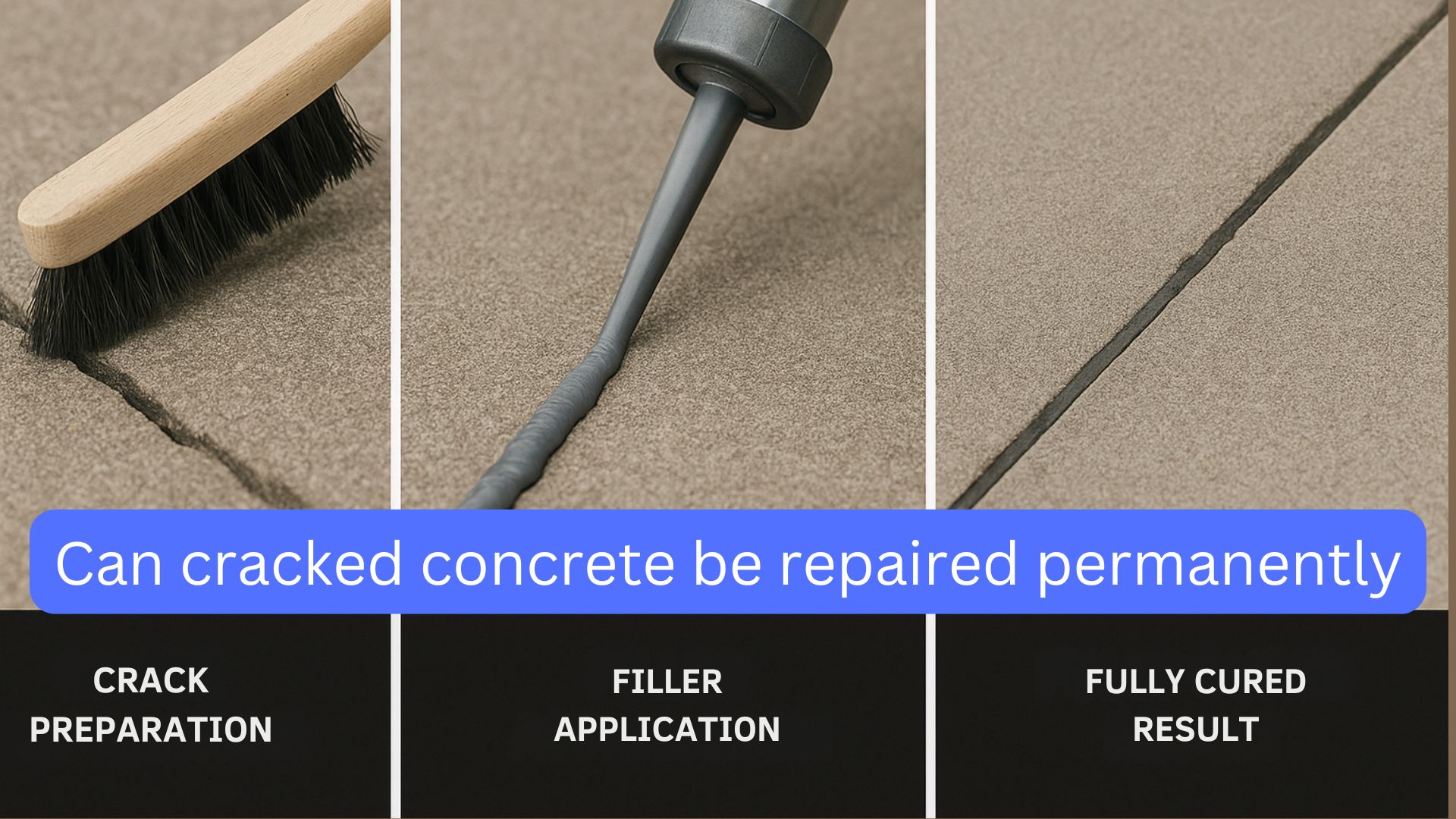
    Yes, cracked concrete can be repaired permanently in many cases, but it depends on several important factors. The cause of the crack, its size, location, and whether it’s still active (growing) all affect repair durability. With proper techniques and materials, most concrete cracks can be effectively repaired for the long term.

    Understanding Concrete Crack Permanence

    When we talk about “permanent” concrete repairs, we need to be realistic about what this means. Concrete is a durable but not indestructible material. Even the best repairs have limitations.

    What Makes a Concrete Repair “Permanent”

    A truly permanent concrete repair should:

    • Restore structural integrity
    • Prevent water infiltration
    • Stop crack progression
    • Bond completely with the existing concrete
    • Withstand the same forces that caused the original crack
    • Last for the remaining life of the concrete structure

    Most professional-grade concrete repairs can last 10+ years when properly applied, which many homeowners consider effectively permanent. However, if the underlying cause isn’t addressed, even the best repair may eventually fail.

    Factors That Determine Repair Longevity

    Several key factors determine whether a concrete crack repair will be permanent:

    1. Addressing the root cause – repairs that fix only the symptom (the crack) but not the cause often fail
    2. Proper preparation – thorough cleaning and preparation of the crack
    3. Appropriate materials – using the right repair products for the specific type of crack
    4. Correct application – following proper repair techniques
    5. Environmental conditions – repairs in extreme temperatures may not cure properly

    At AR Concrete Fayetteville our concrete repair specialists understand these factors and can determine the best approach for long-lasting repairs in your specific situation.

    Types of Cracks and Their Repair Permanence

    Different types of concrete cracks have different repair expectations. This table outlines common crack types and how permanent their repairs typically are:

    Crack TypeDescriptionRepair PermanenceBest Repair Method
    Hairline CracksVery thin surface cracks (less than 1/16″)HighCrack sealer or epoxy injection
    Shrinkage CracksPattern cracks from concrete curingHighPolymer-modified cement or epoxy
    Settlement CracksFrom soil movement below concreteMedium (unless cause addressed)Polyurethane or epoxy injection
    Structural CracksDeep cracks affecting integrityLow to MediumProfessional structural repair
    Heaving CracksFrom frost or tree roots lifting concreteLow (unless cause addressed)May require replacement
    SpallingSurface deterioration, not true cracksMedium to HighConcrete resurfacing

    As you can see from what causes cracks in concrete driveways, the cause of the crack significantly impacts how permanent a repair can be.

    Professional Repair Methods for Long-Term Results

    Professional concrete contractors use several advanced methods that provide much more durable repairs than typical DIY approaches.

    Epoxy Injection

    Epoxy injection is one of the most permanent concrete crack repair methods available. It works by:

    1. Sealing the surface of the crack
    2. Installing injection ports
    3. Injecting low-viscosity epoxy under pressure
    4. Forcing the epoxy through the entire depth of the crack
    5. Creating a bond often stronger than the original concrete

    Epoxy injection works exceptionally well for cracks in foundations and structural concrete. It restores up to 95% of the concrete’s original strength when properly applied. However, it requires specialized equipment and expertise to apply correctly.

    Polyurethane Foam Injection

    For cracks caused by soil settlement or voids beneath concrete, polyurethane foam injection provides an excellent long-term solution. This method:

    1. Uses expandable foam that fills voids beneath the concrete
    2. Lifts sunken sections back to proper position
    3. Stabilizes the base to prevent future settlement
    4. Seals against water infiltration

    Polyurethane injection addresses both the crack and its underlying cause, making it one of the most permanent repair options for settlement-related cracks.

    Stitching and Carbon Fiber Reinforcement

    For structural cracks in load-bearing concrete, stitching or carbon fiber reinforcement provides exceptional durability. These methods:

    1. Bridge the crack with metal “staples” or carbon fiber straps
    2. Distribute stress away from the crack
    3. Prevent crack movement and growth
    4. Add structural integrity to the concrete

    These advanced techniques are particularly effective for foundation walls and other structural concrete elements. With proper application, these repairs can last the remaining lifetime of the structure.

    Full-Depth Concrete Patching

    For severely damaged concrete areas, full-depth patching removes and replaces the damaged section. This approach:

    1. Removes all compromised concrete
    2. Prepares the base properly
    3. Installs reinforcement if needed
    4. Pours new concrete that bonds with the existing edges

    Full-depth patches, when properly installed, are essentially as permanent as new concrete and can last decades without issues.

    DIY Repair Options and Their Limitations

    Many homeowners attempt DIY concrete crack repairs, with mixed results. Understanding the limitations of DIY methods can help set realistic expectations.

    Store-Bought Concrete Crack Fillers

    Hardware stores sell various concrete crack repair products, including:

    • Vinyl concrete patching compound
    • Latex crack fillers
    • Hydraulic cement
    • Epoxy kits for small repairs

    These products can effectively repair minor, non-structural cracks and may last 2-5 years with proper application. However, they rarely provide truly permanent results, especially for larger or active cracks.

    Common DIY Repair Mistakes

    Several common mistakes reduce the longevity of DIY concrete repairs:

    1. Insufficient cleaning – dirt, loose concrete, and debris prevent proper bonding
    2. Filling too shallow – not filling the entire depth of the crack
    3. Wrong product for the job – using surface fillers for structural cracks
    4. Poor weather conditions – applying repairs in extreme temperatures or moisture
    5. Not addressing the underlying cause – especially important for settlement cracks

    Even the best products fail when improperly applied. Following manufacturer instructions exactly is crucial for maximizing repair life.

    When DIY Isn’t Enough

    For certain types of cracks, DIY repairs are unlikely to provide permanent results:

    • Cracks wider than 1/4 inch
    • Cracks that continue growing
    • Structural cracks in foundations or load-bearing concrete
    • Cracks from significant settlement
    • Cracks with one side higher than the other

    These situations require professional assessment and repair methods that address both the crack and its cause.

    Environmental Factors Affecting Repair Permanence

    The environment around your concrete significantly impacts how long repairs will last. Understanding these factors helps set realistic expectations.

    Climate and Weather Impacts

    Research has shown that climate plays a major role in concrete repair durability. According to a study in the Construction and Building Materials journal, freeze-thaw cycles are particularly damaging to concrete repairs.

    In Fayetteville’s climate with seasonal temperature variations, repairs need to:

    • Accommodate thermal expansion and contraction
    • Resist moisture penetration
    • Withstand UV exposure
    • Handle occasional freezing temperatures

    Using repair materials specifically designed for your local climate significantly improves longevity.

    Soil Conditions and Drainage

    The soil beneath and around concrete has a major impact on repair permanence. Issues like:

    • Expansive clay soils
    • Poor drainage
    • Erosion
    • Tree root intrusion

    can all compromise even the best repairs over time. Addressing drainage and soil stability is essential for truly permanent concrete crack repairs.

    Making Concrete Repairs Last Longer

    Several strategies can help extend the life of concrete crack repairs, making them effectively permanent.

    Proper Surface Preparation

    The single most important factor in repair durability is proper surface preparation. This includes:

    1. Widening the crack slightly to create a solid bonding surface
    2. Cleaning thoroughly to remove all dust, debris, and loose concrete
    3. Ensuring the concrete is dry (unless using a repair product designed for wet conditions)
    4. Applying appropriate bonding agents when recommended

    Professional concrete contractors like AR Concrete Fayetteville spend significant time on preparation because they know it’s the foundation of a lasting repair.

    Choosing the Right Repair Materials

    Different cracks require different repair materials:

    • Structural cracks need high-strength epoxy or polyurethane
    • Surface cracks can use polymer-modified cement patching compounds
    • Actively leaking cracks require specialized hydraulic cement
    • Wide cracks may need reinforced repairs

    Using the appropriate material for the specific crack type dramatically improves repair longevity.

    Post-Repair Protection and Maintenance

    After completing repairs, several steps help ensure longevity:

    1. Applying a quality concrete sealer
    2. Ensuring proper drainage away from the repaired area
    3. Regular cleaning to prevent chemical damage
    4. Addressing new cracks promptly before they worsen
    5. Avoiding de-icing salts near repairs

    This ongoing maintenance helps concrete repairs last for many years, often for the remaining life of the concrete structure.

    Conclusion

    Can cracked concrete be repaired permanently? In most cases, yes—with the right techniques, appropriate materials, and by addressing the underlying causes. While no concrete repair is truly “permanent” in the sense of lasting forever, professional repairs can restore both function and appearance for decades.

    For minor, stable cracks, even DIY repairs can provide many years of service when properly applied. For structural cracks or those caused by ongoing issues like settlement, professional repair methods from experienced contractors like AR Concrete Fayetteville offer the most durable solutions.

    The key to successful long-term concrete repair is correctly diagnosing the cause of the crack, choosing the appropriate repair method, ensuring thorough preparation, and protecting the repair afterward. When all these factors align, concrete crack repairs can indeed be effectively permanent.

    Can Cracked Concrete Be Repaired Permanently FAQs

    How can I tell if a crack in my concrete is just cosmetic or a serious structural issue?

    Cosmetic cracks are typically hairline-thin (less than 1/16 inch wide), don’t grow over time, and have both sides at the same level. Structural cracks are usually wider than 1/4 inch, may be growing, often have one side higher than the other, or appear in patterns throughout the concrete, and these cracks require professional assessment as they may indicate serious underlying problems.

    What is the most permanent method for repairing wide cracks in a concrete driveway?

    The most permanent repair method for wide cracks (over 1/4 inch) in a concrete driveway is full-depth patching, which involves cutting out the damaged section, preparing the base properly, adding reinforcement if needed, and pouring new concrete that bonds to the existing edges. This approach effectively replaces the damaged area with new concrete that, when properly installed, can last as long as the original driveway.

    How long should a professional concrete crack repair last before needing maintenance?

    A properly executed professional concrete crack repair should last at least 5-10 years before requiring any maintenance, with many high-quality repairs lasting 15-20 years or more. Factors affecting longevity include the repair method used, environmental conditions, whether the underlying cause was addressed, concrete usage (vehicular traffic vs. pedestrian), and the quality of materials used in the repair process.
  • What causes cracks in concrete driveways and how can they be fixed?

    What causes cracks in concrete driveways and how can they be fixed?

    Concrete driveways crack for several reasons, including weather changes, heavy loads, poor installation, or problems with the soil underneath. Each type of crack has different causes and requires specific repair methods. Understanding why your driveway cracked helps determine the best way to fix it.

    Common Causes of Concrete Driveway Cracks

    Concrete is very strong but not completely flexible. This makes it prone to cracking under certain conditions. Knowing why cracks happen can help you prevent future problems.

    Shrinkage Cracks

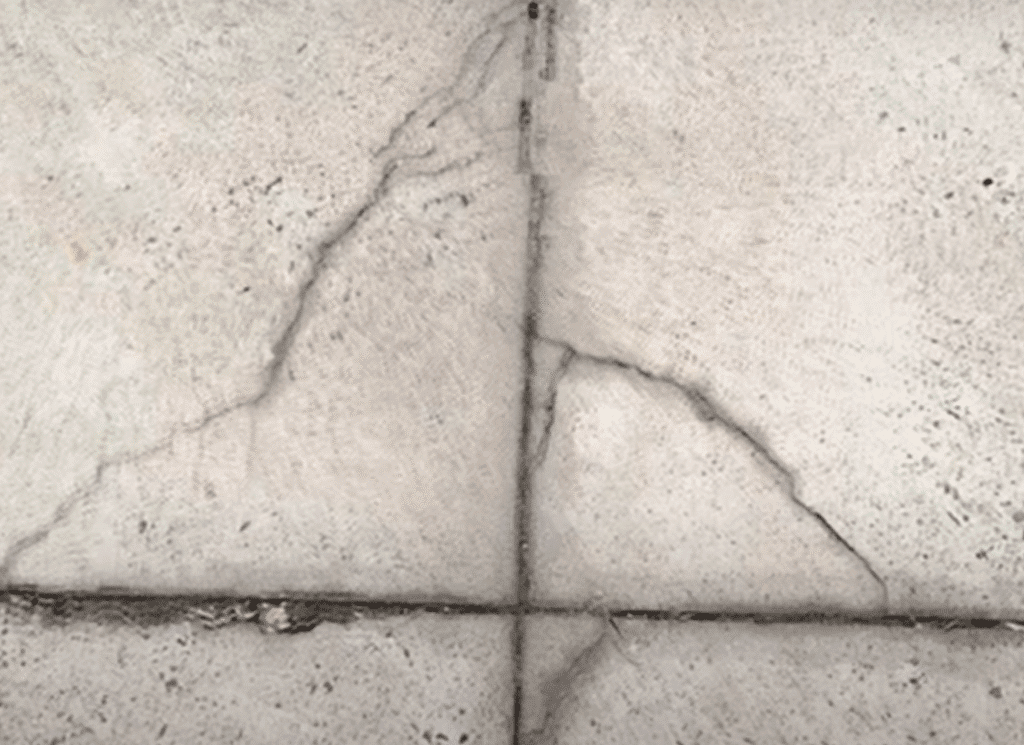
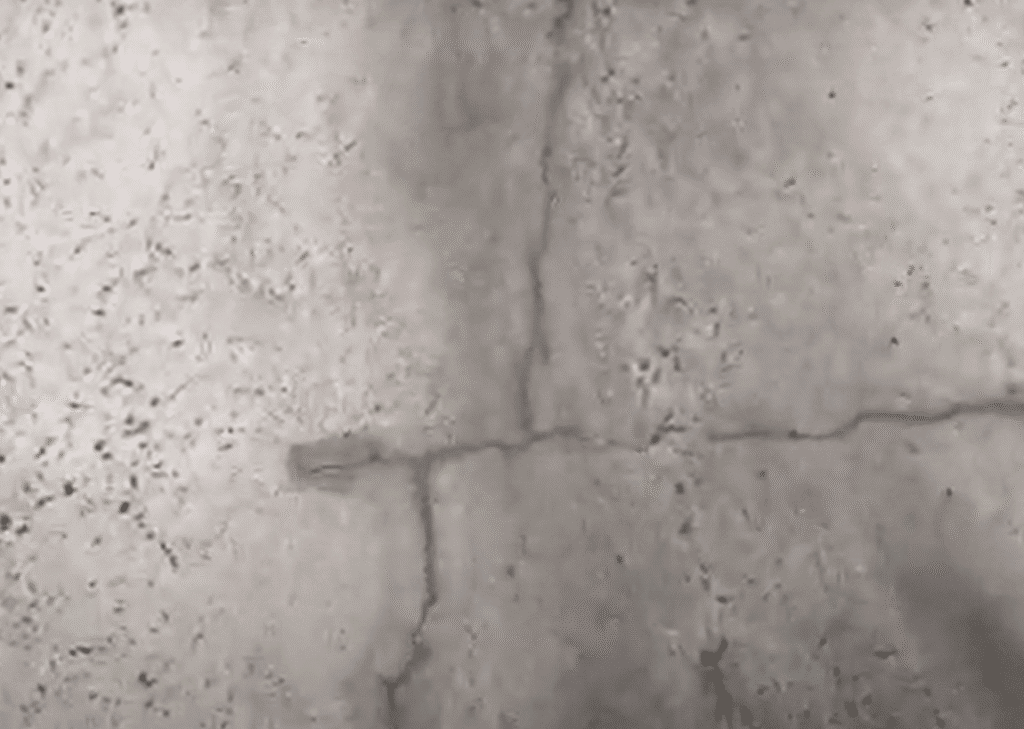
    shrinkage cracks

    When concrete dries and hardens, it naturally shrinks a little bit. This shrinking can cause small, thin cracks on the surface. These cracks usually show up within the first few days after the concrete is poured.

    Shrinkage cracks are typically hairline-thin and don’t usually grow bigger over time. They’re more common when concrete dries too quickly in hot, windy weather. While they might look worrying, these thin cracks rarely affect the strength of your driveway.

    Freeze-Thaw Damage

    Water expands when it freezes. When water gets into tiny spaces in concrete and then freezes, it puts pressure on the concrete from the inside. This repeated freezing and thawing can create cracks and make existing ones worse.

    In Fayetteville and other areas with cold winters, freeze-thaw damage is a major cause of concrete problems. Driveways that weren’t designed with the right air entrainment (tiny air bubbles that give water room to expand) are especially vulnerable to this type of damage.

    Heavy Loads and Impact Damage

    Concrete driveways are designed for passenger vehicles, not heavy trucks or equipment. When too much weight is placed on a concrete driveway, it can crack. Similarly, dropping heavy objects on concrete can cause impact damage.

    Areas where heavy vehicles regularly park or drive can develop cracks over time. This is especially true at the edges of driveways, which are weaker than the center areas.

    Poor Installation Practices

    failed corner joint

    Many driveway cracks trace back to mistakes made during installation. Common installation problems include:

    • Concrete mix with too much water
    • Not enough control joints (planned spaces where the concrete can crack safely)
    • Inadequate base preparation
    • Improper finishing techniques
    • Pouring concrete in very hot or cold weather

    Properly installed concrete by experienced professionals like AR Concrete Fayetteville is much less likely to develop serious cracks.

    Soil Movement and Settlement

    The ground beneath your driveway isn’t always stable. Soil can settle, expand, or wash away over time. When the support under your driveway changes, cracks often follow.

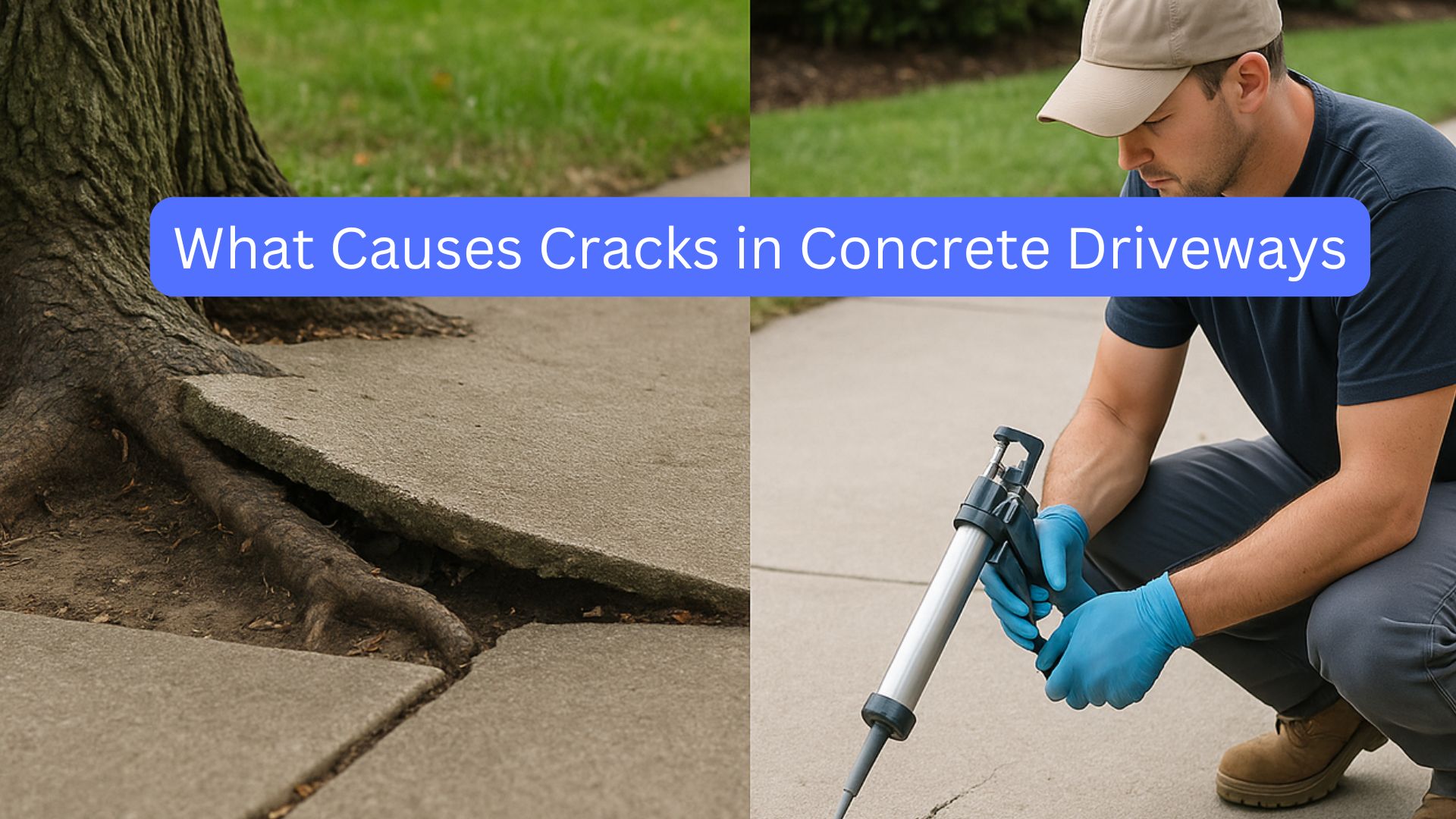
    Soil problems are especially common in areas with clay soils that shrink during drought and expand when wet. Tree roots growing under driveways can also lift sections of concrete, causing cracks where the raised section meets the rest of the driveway.

    Types of Driveway Cracks and Their Severity

    Not all cracks are equal. Some are just cosmetic issues, while others signal serious problems. This table helps you understand what you’re dealing with:

    Crack TypeAppearanceTypical CausesSeverity Level
    Hairline CracksVery thin (less than 1/16 inch), shallowNormal shrinkage during curingLow – mostly cosmetic
    Shrinkage Cracks1/16 to 1/8 inch wide, pattern-likeRapid drying, poor curing practicesLow to Medium
    Settlement Cracks1/8 to 1/4 inch wide, often uneven edgesSoil movement, poor base preparationMedium
    Structural Cracks1/4 inch or wider, often deepOverloading, major soil issues, freeze-thawHigh
    SpallingSurface flaking, not a typical crackFreeze-thaw cycles, poor finishingMedium
    D-CracksD-shaped cracks near joints and edgesFreeze-thaw damage, moisture problemsMedium to High

    As you can see from how to tell if your concrete needs to be repaired or replaced, the width and pattern of cracks can tell you a lot about their causes and seriousness.

    Professional Repair Options for Cracked Driveways

    Depending on the type and severity of cracks in your driveway, several professional repair methods might be appropriate. Here are the most common options.

    Crack Filling and Sealing

    For narrow cracks less than 1/4 inch wide, filling and sealing is often enough. This process involves:

    1. Cleaning the crack thoroughly
    2. Applying a concrete crack filler or sealant
    3. Smoothing the surface
    4. Allowing proper curing time

    This method is relatively inexpensive and works well for minor cracks. It’s most effective when done before water can penetrate and cause more damage. For best results, crack sealing should be done in dry weather when cracks are at their widest.

    Concrete Patching

    For larger cracks and small damaged areas, concrete patching can restore both function and appearance. The process typically includes:

    1. Removing loose concrete and cleaning the area
    2. Applying a bonding agent
    3. Filling with a patching compound
    4. Texturing to match the surrounding concrete
    5. Proper curing with moisture control

    Patches work best for isolated damage areas rather than widespread cracking. While they can restore structural integrity, patches may look different from the original concrete unless carefully color-matched and textured.

    Concrete Resurfacing

    When a driveway has multiple cracks or widespread surface damage, resurfacing might be the best option. This involves applying a thin layer of new concrete over the existing driveway.

    Resurfacing can:

    • Cover minor cracks and surface imperfections
    • Renew the appearance of old, stained concrete
    • Add years of life to a driveway
    • Cost less than full replacement

    For resurfacing to work, the underlying concrete must be structurally sound. Major cracks need to be repaired first, and the existing concrete can’t be sinking or heaving.

    Full or Partial Replacement

    For severely damaged driveways with multiple deep cracks, sinking sections, or major deterioration, replacement is often the most cost-effective long-term solution. Replacement might involve:

    1. Removing the old concrete
    2. Fixing any base or drainage issues
    3. Installing proper reinforcement
    4. Pouring new concrete with appropriate control joints

    While replacement costs more initially, it provides a completely new surface with the longest lifespan. Sometimes only damaged sections need replacement, which can reduce costs while fixing the worst problems.

    DIY Repair Options for Minor Cracks

    For small, non-structural cracks, homeowners can often make repairs themselves. These fixes won’t be as durable as professional repairs but can help prevent further damage.

    When DIY Repairs Are Appropriate

    DIY repairs work best for:

    • Hairline cracks less than 1/8 inch wide
    • Surface-level damage that doesn’t affect driving
    • Isolated cracks rather than patterns of damage
    • Situations where you’re just buying time before a more permanent fix

    For anything more serious, professional repair will likely be more cost-effective in the long run.

    Step-by-Step DIY Crack Filling

    If you want to tackle small cracks yourself, here’s a basic process:

    1. Clean the crack thoroughly with a wire brush and remove loose material
    2. Rinse and let dry completely
    3. Apply concrete crack filler according to product instructions (usually with a caulking gun)
    4. Smooth the surface and remove excess
    5. Allow proper curing time before driving on the repaired area

    Look for products specifically designed for concrete driveways, as they’ll hold up better under vehicle traffic than general-purpose fillers.

    Preventing Future Driveway Cracks

    Once you’ve repaired cracks, you’ll want to prevent new ones from forming. Several preventive measures can help extend your driveway’s life.

    Proper Drainage Solutions

    Water is concrete’s enemy. Make sure your driveway has:

    • A slight slope away from your garage or home
    • No areas where water pools after rain
    • Good drainage around the edges
    • Sealing to prevent water infiltration

    Small adjustments to improve drainage can significantly extend your driveway’s life and prevent cracks.

    Regular Sealing and Maintenance

    Applying a concrete sealer every 2-5 years creates a protective barrier against water, chemicals, and freeze-thaw damage. A good maintenance routine includes:

    • Cleaning spills promptly, especially oil and chemicals
    • Avoiding de-icing salts in winter
    • Keeping heavy vehicles off residential driveways
    • Filling small cracks before they grow
    • Cleaning with appropriate methods that don’t damage the surface

    Regular professional inspections can catch problems early when they’re easier and cheaper to fix.

    Professional Installation Standards

    If you’re installing a new driveway or replacing an old one, proper installation is crucial for preventing future cracks. Professional concrete contractors like AR Concrete Fayetteville will:

    • Prepare a proper sub-base with adequate compaction
    • Use appropriate concrete mix with correct water ratio
    • Install reinforcement when needed
    • Create proper control joints
    • Ensure adequate thickness (4-6 inches for residential driveways)
    • Use proper finishing techniques
    • Provide appropriate curing conditions

    Research shows that professional installation following industry standards can more than double a driveway’s crack-free lifespan. According to the American Concrete Institute, proper installation is the single most important factor in preventing concrete cracks.

    Conclusion

    Concrete driveway cracks happen for many reasons—from normal shrinkage during curing to serious problems like soil movement or freeze-thaw damage. Understanding what caused your driveway cracks helps determine whether simple DIY repairs, professional patch work, resurfacing, or complete replacement is your best option.

    For minor cracks, timely repairs and good maintenance can extend your driveway’s life considerably. For more serious damage, professional assessment and repair from experienced contractors like AR Concrete Fayetteville provides the most durable solution. With proper care and timely attention to small problems, your concrete driveway can remain functional and attractive for decades.

    What Causes Cracks in Concrete Driveways and How Can They Be Fixed FAQs

    How soon after installation can a concrete driveway develop cracks?

    Concrete driveways can develop small shrinkage cracks within the first few days after installation as the concrete cures and naturally contracts. These early hairline cracks are usually not structural concerns, but cracks that appear within the first year might indicate installation problems like improper mix ratios or inadequate base preparation.

    Will cracks in my concrete driveway get worse over time if I don’t repair them?

    Yes, unrepaired concrete cracks typically worsen over time as water enters the cracks, freezes and expands in cold weather, and gradually erodes the base materials beneath your driveway. What starts as a small, cosmetic crack can grow wider and deeper, eventually leading to more serious structural issues that require expensive repairs or complete replacement.

    How can I tell if my driveway cracks are serious enough to need professional repair?

    Driveway cracks need professional repair if they are wider than 1/4 inch, show signs of one side being higher than the other, appear in patterns throughout the driveway, allow water to pool or drain improperly, or continue to grow despite DIY repair attempts. Multiple intersecting cracks or cracks that make your driveway feel unstable when driving over them always warrant professional assessment.

  • How can I tell if my concrete needs to be repaired or replaced?

    How can I tell if my concrete needs to be repaired or replaced?

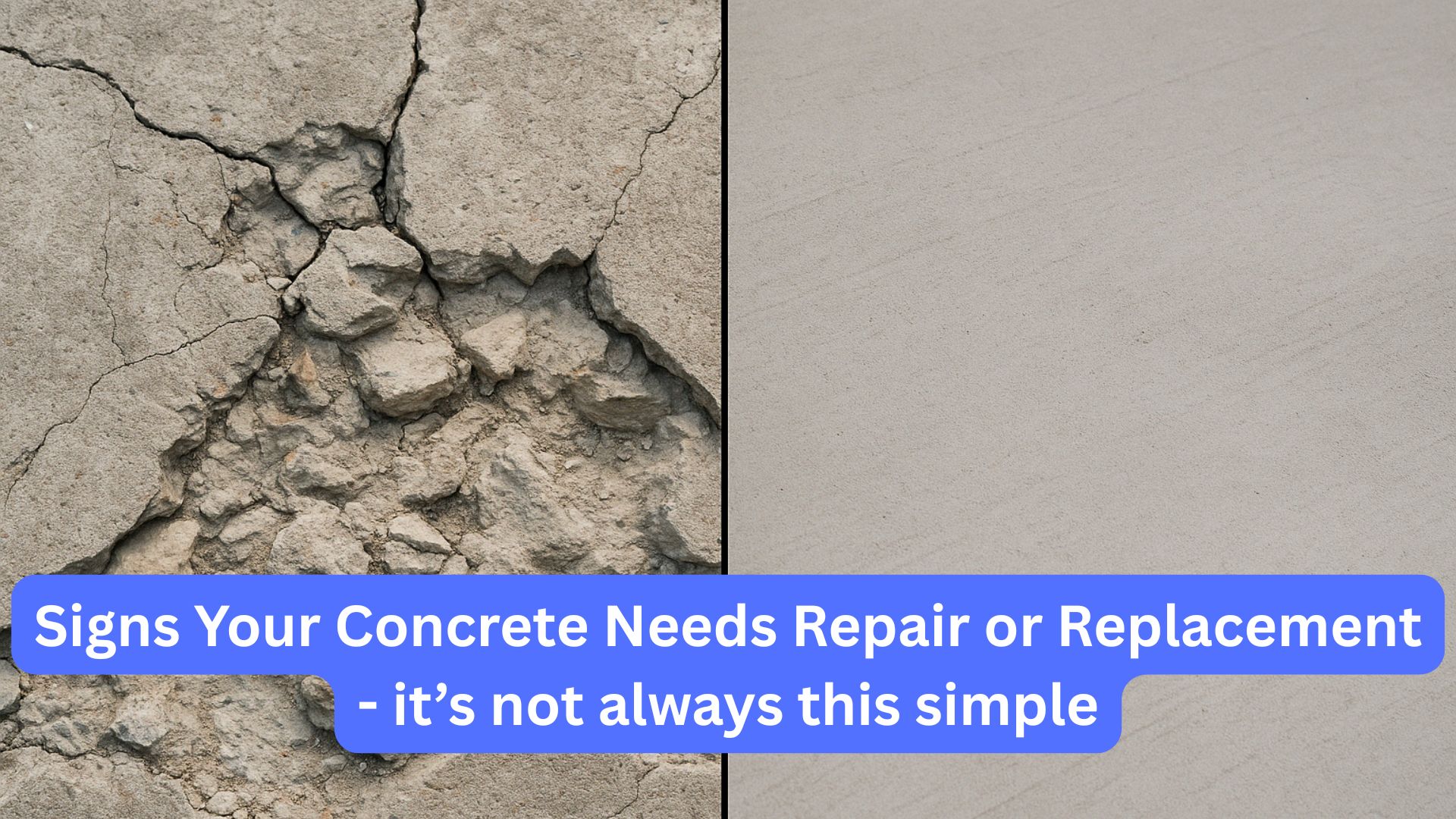
    Determining if your concrete needs to be repaired or replaced depends on several factors. Your concrete might be showing signs of wear and tear. This could include cracks, uneven surfaces, or discoloration. The expert team at AR Concrete Fayetteville can help you make this important decision.

    Common Signs Your Concrete Needs Attention

    Concrete is strong, but it doesn’t last forever. Knowing when your concrete needs fixing can save you money and prevent accidents. Here are the most common signs that your concrete surfaces need professional attention.

    Cracks in Your Concrete

    Cracks are the most obvious sign that your concrete needs repair. Small hairline cracks might just need filling, while large, deep cracks could signal more serious problems. If you see cracks wider than 1/4 inch or cracks that seem to be getting bigger, it’s time to call a professional concrete contractor.

    Cracks don’t just look bad – they can let water seep underneath your concrete. This water can freeze and expand, making the damage worse. In Fayetteville’s changing seasons, this freeze-thaw cycle can quickly turn small cracks into big problems that require complete replacement.

    Uneven or Sunken Areas

    When parts of your concrete sink or become uneven, it usually means there’s a problem with the base underneath. This can happen when the soil beneath washes away or wasn’t compacted properly when the concrete was first poured.

    Uneven concrete creates tripping hazards and can make it hard to use the space properly. Small dips might be fixed with concrete leveling, but large sunken areas often mean it’s time for replacement. The concrete repair specialists at AR Concrete Fayetteville can assess whether leveling or replacement is the best solution for your situation.

    Surface Damage and Spalling

    If your concrete surface is flaking, peeling, or has small pits, this is called spalling. It happens when the top layer of concrete breaks down due to weather exposure, poor installation, or chemical damage.

    Light surface damage might be repaired with a concrete overlay, but extensive spalling often indicates deeper problems. When more than 30% of the surface is damaged, replacement is usually more cost-effective than trying to patch concrete or repair concrete.

    Evaluating Concrete Damage: Repair vs. Replace

    When you notice concrete damage, you need to decide whether to repair or replace it. This table outlines key factors to consider:

    Damage TypeRepair AppropriateReplacement Needed
    CracksHairline to 1/4 inch wide, stableWider than 1/4 inch, growing, or multiple intersecting cracks
    Uneven SurfaceMinor settling (less than 1 inch)Major settling, multiple uneven areas
    Surface DamageLess than 30% of surface affectedMore than 30% of surface affected
    Age of ConcreteLess than 20 years oldOver 20 years with multiple issues
    Water DrainageMinor drainage issuesStanding water, drainage toward foundation

    Remember that concrete damage often gets worse over time. What might be repairable now could require full replacement if left untreated.

    How Age Affects Your Concrete’s Condition

    The age of your concrete plays a big role in deciding between repair and replacement. Most concrete is designed to last about 30 years, but several factors can shorten or extend this lifespan.

    Expected Lifespan of Different Concrete Applications

    Different concrete installations have different expected lifespans:

    Concrete ApplicationExpected LifespanCommon Age-Related Issues
    Residential Driveway25-30 yearsCracking, settlement, surface wear
    Concrete Sidewalk20-25 yearsFrost heave, tree root damage, cracking
    Concrete Patio20-30 yearsSurface spalling, settling, staining
    Foundation Walls50+ yearsHairline cracks, water infiltration
    Concrete Steps20-25 yearsCorner breakdown, settling, frost damage

    As concrete ages, it naturally becomes more brittle and less resistant to damage. Concrete that’s over 20 years old is more likely to need replacement rather than repair when problems arise.

    The Impact of Installation Quality

    How well your concrete was installed in the first place has a huge impact on whether it can be repaired. Poor installation practices like improper mixing, inadequate base preparation, or pouring in extreme temperatures can lead to premature concrete failure.

    If your concrete was poorly installed, even the best repair work might only be a temporary fix. The professional concrete contractors at AR Concrete Fayetteville can assess your concrete’s original installation quality and recommend the most cost-effective solution.

    Environmental Factors That Affect Concrete Repair Decisions

    The environment around your concrete affects how long repairs will last versus replacement. Several environmental factors should influence your decision.

    Climate and Weather Considerations

    Fayetteville’s weather can be tough on concrete. Freeze-thaw cycles in winter, hot summers, and occasional heavy rains all stress concrete surfaces. These weather patterns can speed up deterioration and make repairs less effective.

    Scientific research has shown that environmental exposure significantly impacts concrete durability over time. According to a study published in the PMC Journal, factors like humidity changes, temperature fluctuations, and exposure to chemicals can accelerate concrete deterioration. Understanding these environmental impacts can help you make better decisions about whether repair or replacement is the most cost-effective solution.

    Concrete in areas with harsh weather conditions often needs more frequent maintenance. In some cases, upgrading to a more durable concrete mix during replacement makes more sense than repeated repairs.

    Soil Conditions Under Your Concrete

    The soil beneath your concrete greatly affects its stability. Clay soils that expand when wet and contract when dry can cause concrete to crack and shift. Sandy soils might wash away over time, leaving voids under the concrete.

    If soil issues caused your concrete damage, repairs might not last unless the underlying problem is addressed. Sometimes replacement with proper site preparation is the only long-term solution.

    Cost Considerations: Repair vs. Replace

    Money matters when deciding whether to repair or replace concrete. Here’s how to think about the finances of your concrete project.

    Short-Term vs. Long-Term Costs

    Concrete repair is almost always cheaper than replacement in the short term. A simple crack filling might cost just a few hundred dollars, while replacement could run into thousands.

    However, if the same problems keep coming back, repeated repairs can end up costing more than replacement. This is especially true when repairs only last a year or two before failing again.

    The concrete repair specialists at AR Concrete Fayetteville will give you honest advice about whether repair or replacement is more cost-effective for your specific situation.

    Value Impact on Your Property

    Both concrete repair and replacement can improve your property’s value, but replacement often has a bigger impact. New concrete looks better and eliminates the worry about future problems for potential buyers.

    If you’re planning to sell your home in the next few years, replacing severely damaged concrete might give you a better return on investment than patching it up.

    DIY Assessment: How to Check Your Concrete

    Before calling a professional, you can do some basic assessment of your concrete yourself.

    Simple Tools for Concrete Evaluation

    You don’t need fancy equipment to check your concrete condition:

    1. Ruler or tape measure for checking crack width
    2. Level to check for uneven areas
    3. Garden hose to see if water pools or drains properly
    4. Flashlight to look closely at surface texture

    Walk slowly across your concrete and feel for movement or hollow spots. These could indicate voids beneath the surface that need professional attention.

    When to Call a Professional Concrete Contractor

    While DIY assessment can help you understand your concrete’s condition, some situations always call for professional evaluation:

    • Multiple intersecting cracks
    • Concrete that moves when you walk on it
    • Drainage problems affecting your foundation
    • Steps or walkways that create tripping hazards
    • Concrete near pool areas showing signs of failure

    The experts at AR Concrete Fayetteville offer free evaluations to help you make the right decision about concrete repair or replacement.

    Conclusion

    Deciding whether to repair or replace your concrete depends on the type and extent of damage, the age of the concrete, environmental factors, and cost considerations. Small, stable cracks in relatively new concrete might need simple repairs, while older concrete with multiple issues often requires replacement for a lasting solution.

    Don’t wait until concrete damage creates safety hazards or affects your property value. Regular inspection and addressing problems early can help you get the most life from your concrete surfaces. The professional concrete repair team at AR Concrete Fayetteville has the experience to help you make the right choice for your specific situation.

    How Can I Tell If My Concrete Needs to Be Repaired or Replaced FAQs

    What size cracks in concrete are considered dangerous?

    Concrete cracks wider than 1/4 inch, cracks that go all the way through the slab, or cracks that are getting wider over time are considered dangerous. These larger cracks can indicate structural problems and might allow water to damage the base beneath your concrete, leading to more extensive damage.

    Can weather damage to concrete be repaired or does it require replacement?

    Weather damage to concrete can often be repaired if caught early and if it affects less than 30% of the surface area. Surface scaling, minor spalling, and small cracks from freeze-thaw cycles can be repaired with overlays or crack filling, but extensive weather damage that has compromised the concrete’s integrity typically requires replacement.

    How can I tell if the concrete around my pool needs repair or replacement?

    Pool concrete needs repair if you notice small cracks, minor scaling, or slight discoloration. It needs replacement if there are wide cracks that could leak water into the soil beneath, significant settling that affects drainage away from the pool, or extensive surface deterioration that creates rough areas that could cause injuries.

  • Roundup of Common Concrete Repair Issues and Solutions in Clinton, Arkansas

    Roundup of Common Concrete Repair Issues and Solutions in Clinton, Arkansas

    Water Damage to Concrete

    Water damage is a significant issue that affects concrete structures, often leading to cracks, spalling, and deterioration over time. In Clinton, Arkansas, fluctuating temperatures and heavy rainfall heighten the risk of moisture infiltration, compromising the integrity of concrete surfaces. Homeowners and property managers need to be vigilant in identifying early signs of water damage. These can include peeling paint, discoloration, and visible cracks that may indicate the presence of moisture beneath the surface.

    Effective concrete repair is essential in addressing water damage to prevent further degradation. Remedies often involve sealing cracks and applying waterproof coatings to surfaces. Additionally, proper drainage systems should be established around concrete foundations to channel water away and reduce the risk of erosion. Regular maintenance inspections can help detect moisture-related issues early, allowing for timely interventions before more extensive repairs become necessary.

    Recognizing Signs and Remedies

    Water damage to concrete surfaces often manifests through cracking and spalling. These signs indicate that moisture has infiltrated the material, leading to potential structural issues. Homeowners should pay close attention to areas where water pools or drains poorly, as these are prime locations for damage. Early recognition of these issues can prevent more extensive and costly Concrete Repair in the future.

    In addition to cracks, discoloration or surface dampness can also indicate water damage. Efflorescence, a white powdery substance, may appear when salts in the concrete react with water. If noticed, it is crucial to address these signs promptly to minimize deterioration. Engaging a professional for effective Concrete Repair solutions can help restore the durability and appearance of affected surfaces.

    Efflorescence on Concrete Surfaces

    Efflorescence is a common issue affecting concrete surfaces, characterized by white, powdery deposits that appear as moisture evaporates and leaves behind mineral salts. This phenomenon often arises when water seeps through concrete, particularly in areas exposed to high humidity or significant rainfall. While efflorescence itself does not generally harm the structural integrity of the concrete, it can detract from the aesthetic appeal of surfaces, signaling an underlying moisture problem that may require attention. For effective concrete repair, addressing the sources of water penetration is crucial to prevent recurring issues.

    Treatment strategies for removing efflorescence involve both mechanical and chemical methods. A simple approach includes using a stiff brush to scrub the affected area, effectively dislodging the powdery substance. For more stubborn deposits, a solution of vinegar or a specialized efflorescence remover can be applied to break down the salts. Following the cleaning process, it is essential to implement preventive measures such as sealing the concrete and improving drainage around the structure. These steps not only enhance the surface appearance but also contribute to the longevity of the concrete, making it a vital aspect of concrete repair practices.

    Treatment Strategies for Removal

    Efflorescence often appears as a white, powdery substance on concrete surfaces, indicating moisture issues. Addressing this requires both immediate cleaning and long-term preventative measures. Begin by using a dry brush to remove loose efflorescence. Applying a pressure washer can help eliminate more stubborn deposits. It’s essential to allow the surface to dry completely before implementing further treatments, as damp conditions can exacerbate the issue.

    To prevent future occurrences, consider sealing the concrete with a high-quality waterproofing agent. This creates a barrier against moisture infiltration while maintaining the concrete’s appearance. Regular maintenance checks can also help identify early signs of efflorescence, allowing for timely Concrete Repair before the problem escalates. Additionally, ensure proper drainage around the concrete area to mitigate water accumulation.

    Settling and Soil Erosion

    Settling and soil erosion pose significant challenges for concrete structures, especially in areas like Clinton, Arkansas. As the ground shifts and settles, it can lead to cracks and uneven surfaces in concrete slabs, sidewalks, and foundations. These issues often result from a variety of factors, including changes in moisture content, poor drainage systems, or inadequate soil preparation before pouring concrete. Homeowners may notice signs of settling through fissures in their driveways or a noticeable slope in their sidewalks. Recognizing these signs early is crucial to preventing further damage.

    Concrete repair techniques vary based on the severity of the settling and erosion. For minor issues, mudjacking or slab jacking can effectively raise sunken concrete slabs by injecting a mixture beneath the surface. In cases of severe erosion, it may be necessary to implement more extensive stabilization strategies, such as installing retaining walls or improving drainage around the structure. Regular monitoring and timely concrete repair can help maintain the integrity of surfaces and prevent future problems from arising.

    Stabilization Techniques for Concrete

    Stabilization techniques for concrete often involve addressing the underlying soil conditions. In Clinton, Arkansas, the fluctuating moisture levels can lead to soil expansion and contraction, prompting shifts in foundations. To counteract this, concrete repair methods such as underpinning and slab jacking can be effectively employed. Both techniques aim to restore proper support and alignment, ensuring the concrete structure maintains its integrity over time.

    Another strategy includes the use of geofoam or lightweight fill materials. These materials help to reduce the load on the existing soil, minimizing the risk of further settling. Additionally, proper drainage systems can be installed to direct water away from concrete structures, further preventing soil erosion and instability. By implementing these techniques, property owners can enhance the durability and longevity of their concrete surfaces.

    FAQS

    What are common signs of water damage to concrete?

    Common signs of water damage to concrete include visible cracks, discoloration, spalling, and the presence of mold or mildew. Puddles of water forming on the surface may also indicate underlying issues.

    How can I treat efflorescence on my concrete surfaces?

    Efflorescence can be treated by cleaning the affected area with a stiff brush and water. For persistent cases, specialized efflorescence removers can be applied. It’s also important to address the underlying moisture problem to prevent recurrence.

    What causes settling and soil erosion around concrete structures?

    Settling and soil erosion can be caused by factors such as poor drainage, soil compaction, heavy rainfall, and changes in soil moisture levels. These factors can lead to instability in the ground beneath concrete slabs.

    What stabilization techniques can be used for settling concrete?

    Stabilization techniques for settling concrete include mudjacking, which involves injecting a grout mixture beneath the slab, and using helical piers or push piers to support the foundation. Each method is chosen based on the specific issues and conditions present.

    Are there preventative measures I can take to avoid concrete repair issues?

    Yes, preventative measures include proper drainage around concrete structures, regular cleaning and sealing of surfaces, and monitoring for early signs of damage. Ensuring that landscaping directs water away from foundations can also help prevent issues.

  • Review of the Best Concrete Repair Companies in Clinton, Arkansas

    Review of the Best Concrete Repair Companies in Clinton, Arkansas

    Customer Testimonials and Experiences

    Customers in Clinton, Arkansas have shared their positive experiences with local concrete repair companies, highlighting the quality of service and professionalism. Many appreciate how these companies thoroughly assess their concrete issues and provide detailed solutions tailored to their needs. Positive feedback often focuses on timeliness and competency, with clients expressing satisfaction in how quickly their repairs were completed.

    Additionally, several clients noted the significance of customer support throughout the process. Many companies prioritize communication, ensuring that customers are informed about each step of the concrete repair. This level of engagement helps build trust and reassures homeowners that their investment in repairs is worthwhile. Overall, these testimonials reflect a strong commitment to customer satisfaction in the concrete repair industry.

    Real-Life Success Stories

    One notable success story involves a homeowner in Clinton who faced significant cracks in their driveway. The challenge was not just aesthetic; the cracks posed a hazard for family members and guests. A local concrete repair company was enlisted to assess the damage. Through a careful analysis, they recommended a comprehensive repair plan that included crack filling and resurfacing. The finished result not only improved safety but also revitalized the entire look of the property.

    Another impressive case involved a commercial property with extensive concrete damage due to heavy vehicle traffic. The property manager sought out concrete repair specialists who understood the importance of durability and appearance. After evaluating the site, the team executed a targeted repair strategy that reinforced the existing foundations and applied a high-quality surface layer. The outcome exceeded expectations, restoring structural integrity while enhancing the overall functionality of the space.

    Common Concrete Issues Addressed by Repair Companies

    Concrete surfaces often encounter various problems over time, demanding the expertise of concrete repair companies. One of the most common issues is cracking, which can result from various factors such as temperature changes, settling, and heavy loads. Repair professionals are skilled at assessing the severity of cracks and determining the most effective methods for repair, including crack filling and sealant application.

    Another frequent concern involves surface scaling, which occurs when the top layer of concrete begins to flake or peel away. This issue can arise due to moisture infiltration and freeze-thaw cycles. Repair companies typically address scaling through surface resurfacing, a process that reinstates the original appearance and integrity of the concrete. By implementing these concrete repair techniques, these companies ensure that damaged surfaces are restored efficiently and effectively.

    Crack Filling and Surface Resurfacing

    Crack filling and surface resurfacing are essential services offered by concrete repair companies in Clinton, Arkansas. These techniques help in restoring the integrity and aesthetic appeal of concrete surfaces. Cracks can develop due to various factors such as weather changes, heavy loads, or aging. By addressing these cracks promptly, companies prevent further damage and extend the lifespan of the concrete, ensuring it remains safe and functional.

    Surface resurfacing enhances the overall appearance of worn or damaged concrete. This process involves applying a thinner layer of specialized materials over the existing surface, effectively renewing its look and restoring any protective elements. Many concrete repair companies use high-quality resins and cementitious compounds designed for durability. Through these services, property owners can avoid costly replacements while maintaining the value and safety of their structures.

    Environmental Considerations in Concrete Repair

    Environmental considerations play a significant role in the concrete repair industry. With growing awareness of sustainability, many companies strive to minimize their ecological footprints. This involves using eco-friendly materials and adopting practices that reduce waste. Some repair firms incorporate recycled aggregates and low-emission products in their processes. Such choices not only benefit the environment but also enhance the durability of the repairs.

    Moreover, the importance of proper disposal of materials cannot be overstated. By adhering to local regulations regarding waste management, companies ensure that harmful substances do not contaminate the surrounding environment. Many contractors are also investing in energy-efficient methods that reduce carbon emissions during the concrete repair process. As concern for environmental impacts continues to rise, the industry is increasingly embracing practices that promote a healthier and more sustainable future.

    Sustainable Practices Adopted by Companies

    Many concrete repair companies are increasingly adopting sustainable practices to minimize their environmental impact. These companies focus on using eco-friendly materials and technologies that reduce waste and energy consumption. By incorporating recycled aggregates and sustainable additives, they enhance both the durability and performance of their concrete repair solutions. This shift not only supports environmental sustainability but also often leads to cost savings for clients in the long run.

    In addition to using sustainable materials, some companies are implementing efficient processes that limit emissions and conserve resources. Techniques such as low-VOC paint application and the use of machinery that adheres to stricter emission standards contribute to a reduced carbon footprint. Companies that prioritize sustainable practices in their concrete repair projects demonstrate a commitment not only to quality but also to protecting the environment for future generations.

    FAQS

    What types of concrete issues can repair companies in Clinton, Arkansas address?

    Repair companies in Clinton can address a variety of concrete issues, including cracks, surface resurfacing, water damage, and uneven surfaces.

    How can I choose the best concrete repair company for my needs?

    To choose the best concrete repair company, consider factors such as customer testimonials, the range of services offered, their experience in the industry, and their commitment to sustainable practices.

    Are there environmentally friendly options for concrete repair?

    Yes, many concrete repair companies in Clinton adopt sustainable practices, such as using eco-friendly materials and methods that minimize environmental impact during repairs.

    What should I expect during the concrete repair process?

    During the concrete repair process, you can expect an initial assessment of the damage, a detailed plan for the repairs, and a timeframe for completion. Communication with the repair team is key throughout the process.

    Are warranties or guarantees available for concrete repair services?

    Many reputable concrete repair companies offer warranties or guarantees on their work, ensuring that repairs are durable and long-lasting. Be sure to ask about this when selecting a company.

  • Review of Top Concrete Repair Companies in Laurinburg, Arkansas

    Review of Top Concrete Repair Companies in Laurinburg, Arkansas

    Types of Concrete Repair Solutions Offered

    Concrete repair solutions in Laurinburg cover a broad spectrum of needs, addressing issues such as cracks, surface damage, and structural concerns. Companies in the area often offer services like crack injection, which helps seal and stabilize cracks, preventing further damage. Surface repair methods, including resurfacing, provide a fresh, even appearance for worn concrete. Each solution targets specific problems, ensuring durability and longevity for various concrete structures.

    Additionally, many contractors provide specialized services tailored to unique situations. For instance, some may focus on repairing sidewalks or driveways, while others may handle larger projects like foundations or industrial flooring. The choice of concrete repair solution depends on the severity of the damage and the specific requirements of the site. Clients benefit from a variety of options, allowing them to select the most effective approach for their concrete issues.

    Common Methods and Techniques

    Common methods for concrete repair include patching, resurfacing, and applying sealants. Patching involves filling cracks or holes with suitable materials to restore the surface. Resurfacing can update the appearance of aging concrete by applying a thin layer of new material. Sealants protect concrete from moisture and other harmful elements, extending its lifespan while maintaining structural integrity.

    Another popular technique is underpinning, which helps stabilize and strengthen existing concrete foundations. This method is particularly useful for dealing with settlement issues. Epoxy injections are also common for repairing cracks, where a resin is injected into the fissures to bond the concrete together. Each of these methods has its own advantages and is chosen based on the specific needs of the concrete repair project.

    Certifications and Qualifications of Concrete Repair Contractors

    When selecting a concrete repair contractor, understanding their certifications and qualifications is crucial. Many reputable companies in the industry ensure their staff members have completed relevant training programs and obtained necessary licenses. This training often involves hands-on experience in various methods of concrete repair, including restoration techniques and adherence to safety standards. Certifications from recognized industry organizations can also serve as a testament to a contractor’s skills and commitment to quality.

    Professional accreditation plays a significant role in determining the reliability of a concrete repair contractor. Certification from trade associations indicates that a contractor meets established industry standards and adheres to ethical practices. Customers can feel more confident in hiring an accredited contractor, knowing they possess the expertise required to effectively address their concrete repair needs. The commitment to continuous education and training demonstrates a contractor’s dedication to staying updated with the latest techniques and innovations in the field.

    Importance of Professional Accreditation

    Professional accreditation serves as a benchmark for quality and reliability in the field of concrete repair. Accredited contractors undergo extensive training and adhere to industry standards that ensure safe and effective practices. This commitment to excellence not only enhances the skill set of the contractors but also instills confidence in customers regarding the quality of work they can expect. Accreditation often reflects a contractor’s experience and expertise, which is crucial for tackling various concrete repair projects.

    Choosing accredited professionals for concrete repair can significantly affect the outcome of the project. These certifications often require ongoing education, keeping contractors updated on the latest techniques and materials. Clients benefit from working with trained professionals who understand the complexities of concrete repair, resulting in durable, long-lasting solutions. Trusting accredited contractors can lead to improved safety and lower risks of future repairs.

    Environmental Considerations in Concrete Repair

    Environmental considerations are increasingly relevant in the realm of concrete repair. Traditional repair methods often involve substances that can emit harmful chemicals or contribute to landfill waste. Many companies are now exploring innovative solutions that prioritize sustainability. These methods may include the use of recycled materials, low-VOC (volatile organic compounds) adhesives, and eco-friendly sealants. Such practices aim to minimize the environmental footprint while still providing effective repair solutions.

    The industry is gradually embracing a shift towards greener alternatives. This includes promoting the use of permeable concrete, which can reduce stormwater runoff and help in natural filtration. Additionally, techniques that reduce the energy consumed during the repair process are gaining traction. As awareness grows, both companies and customers are beginning to recognize the importance of incorporating eco-friendly practices in concrete repair. Such initiatives not only attract environmentally conscious clients but also contribute to the overall sustainability of the construction industry.

    Eco-Friendly Practices in the Industry

    The concrete repair industry has seen a significant shift towards eco-friendly practices in recent years. Many companies are now using sustainable materials and techniques to minimize environmental impact. This includes the use of recycled aggregates, which helps reduce waste and conserve natural resources. Additionally, some firms are adopting low-VOC (volatile organic compound) products in their repair processes. These materials contribute to better indoor air quality and lower emissions during application.

    Another promising trend is the incorporation of environmentally friendly curing methods. Water conservation is a key focus, with some contractors utilizing curing compounds that optimize moisture retention without excess water use. Another approach involves the implementation of energy-efficient equipment that reduces carbon emissions. As public awareness of environmental issues increases, many concrete repair companies are committed to adopting these green practices, ensuring they contribute positively to both community infrastructure and the planet.

    FAQS

    What types of concrete repair solutions are available in Laurinburg, Arkansas?

    In Laurinburg, you can find various concrete repair solutions including crack sealing, surface resurfacing, slab jacking, and concrete replacement, among others.

    Why is it important to hire certified concrete repair contractors?

    Hiring certified contractors ensures that the work is performed to industry standards, providing quality assurance and reducing the risk of future problems.

    What eco-friendly practices do concrete repair companies in Laurinburg follow?

    Many companies focus on sustainable practices such as using low-VOC materials, recycling old concrete, and implementing energy-efficient techniques during repairs.

    How can I determine the qualifications of a concrete repair contractor?

    You can check a contractor’s qualifications by reviewing their certifications, asking for references, and verifying their experience in the industry.

    What are some common methods and techniques used for concrete repair?

    Common methods include epoxy injection for cracks, polymer-modified overlays, and mudjacking for lifting sunken slabs, all aimed at restoring the integrity of the concrete.

  • Round-Up of Common Concrete Repair Techniques Used in Laurinburg

    Round-Up of Common Concrete Repair Techniques Used in Laurinburg

    Mudjacking and Slabjacking Explained

    Mudjacking and slabjacking are two common methods used for concrete repair, particularly when addressing sinking or settling concrete slabs. These techniques involve injecting a mixture, often composed of cement, soil, and other materials, beneath the concrete surface to lift and level it. This process can effectively restore the concrete’s original position without the need for extensive demolition. Homeowners often choose these methods for their cost-effectiveness and relatively quick application compared to full slab replacement.

    Both mudjacking and slabjacking offer practical solutions for various concrete issues, including driveways, sidewalks, and patios. The procedures can adapt to different soil types and conditions, making them versatile options for property owners in Laurinburg. By addressing underlying voids and stabilizing the supporting soil, these techniques not only enhance the appearance but also extend the lifespan of concrete structures.

    Techniques for Leveling Uneven Concrete Surfaces

    Uneven concrete surfaces can pose safety hazards and diminish the overall appearance of any property. One effective method for addressing this issue is through mudjacking, a process that involves injecting a mixture beneath the concrete slab. This mixture typically consists of water, soil, and cement, which elevates the slab back to its original level. This technique not only provides a quick solution but is also cost-effective compared to complete slab replacement.

    Another popular technique for leveling uneven surfaces is slabjacking, which shares similarities with mudjacking but uses different materials, such as polyurethane foam. This method ensures minimal disruption to the surrounding area while delivering precise leveling results. Both techniques significantly enhance the integrity of the concrete while providing lasting repair solutions. Proper concrete repair establishes a safe and aesthetically pleasing environment for all types of structures.

    Understanding Decorative Concrete Repair

    Decorative concrete repair involves techniques that not only restore the structural integrity of concrete surfaces but also enhance their visual appeal. This method is particularly popular in residential and commercial properties where aesthetics play a crucial role. Options such as overlays, stains, and stamped patterns allow property owners to revitalize old or damaged concrete while ensuring it complements the surrounding environment.

    Incorporating decorative elements into concrete repair requires a skilled approach and an understanding of various materials and finishes. Using these techniques, homeowners can transform unsightly cracks, discoloration, or surface wear into attractive features that add value. By focusing on both form and function, decorative concrete repair offers a practical solution to the problem of worn or damaged surfaces.

    Enhancing Aesthetics While Repairing

    Aesthetic considerations often play a significant role in concrete repair projects. Homeowners and businesses alike are increasingly looking for solutions that not only restore functionality but also enhance the visual appeal of their concrete surfaces. Decorative techniques such as stamping, staining, or resurfacing allow for creative expression while addressing any deterioration. These methods can transform plain, damaged areas into eye-catching features, creating curb appeal and improving overall property value.

    When opting for decorative concrete repair, it is essential to select the right materials and techniques to achieve the desired look. Considerations may include the type of finish, color, and texture that will best complement the surrounding architecture. Proper preparation of the underlying surface is crucial, as it ensures that the decorative elements bond effectively while maintaining durability. Combining functionality with visual enhancement ultimately results in a more inviting and well-maintained appearance for any space needing concrete repair.

    The Role of Fiber Reinforcement in Repairs

    Fiber reinforcement plays a crucial role in enhancing the durability and strength of concrete repair. By incorporating various types of fibers, such as synthetic, steel, or natural fibers, the overall tensile strength of concrete can be significantly improved. This added reinforcement helps to reduce cracking and deformation under stress, ensuring a longer lifespan for repaired surfaces.

    In addition to increasing structural integrity, fiber reinforcement can improve the workability and performance of the concrete mix. The distribution of fibers throughout the material helps to counteract shrinkage, leading to more uniform and stable surfaces. When addressing issues in concrete repair, utilizing fiber reinforcement techniques effectively provides lasting solutions that withstand environmental changes and heavy loads.

    Increasing Durability with Fibers

    The incorporation of fiber reinforcement in concrete repair significantly enhances durability, addressing common issues related to cracking and structural integrity. Fibers, such as polypropylene or steel, are mixed into the concrete, providing additional tensile strength. This reinforcement helps to distribute applied loads more evenly across the surface, reducing the likelihood of failure under stress. As a result, structures endure environmental fluctuations, temperature changes, and mechanical impacts with greater resilience.

    In the context of concrete repair, fibers can also improve the bond between existing concrete and the repair material. This bond is crucial for the longevity of repaired surfaces, as it helps prevent delamination and ensures that any movement due to settling or shifting does not compromise the integrity of the repair. By utilizing fiber reinforcement, contractors can achieve a more robust and long-lasting solution, ultimately leading to more reliable performance of the repaired structures.

    FAQS

    What is mudjacking and how does it work?

    Mudjacking is a technique used to lift and level sunken concrete surfaces by injecting a mixture of cement, soil, and water beneath the slab. This fills voids and raises the concrete back to its original position.

    How does slabjacking differ from mudjacking?

    While both methods aim to lift sunken concrete, slabjacking typically uses a lightweight polymer foam instead of a cement mixture. This foam expands to fill voids and raise the concrete, offering a quicker cure time and less weight on the underlying soil.

    What are the benefits of using decorative concrete repair techniques?

    Decorative concrete repair enhances the visual appeal of repaired surfaces while providing durability. Techniques can include resurfacing, staining, or stamping, allowing homeowners to achieve aesthetics that match their style.

    How does fiber reinforcement improve concrete repairs?

    Fiber reinforcement involves adding synthetic or natural fibers to concrete mixtures, increasing tensile strength and flexibility. This helps to prevent cracking and improves the overall durability of the repaired surface.

    Can I perform concrete repairs myself, or should I hire a professional?

    While some minor repairs can be handled by DIY enthusiasts, complex issues like significant settling or decorative enhancements are best left to professionals. They have the experience and tools necessary to ensure a lasting repair.

  • Is it better to patch concrete or repair concrete?

    Is it better to patch concrete or repair concrete?

    Patching Concrete

    Patching concrete is often a preferred solution for minor surface imperfections and small cracks. The process involves filling in the damaged areas with a suitable patching compound, ensuring a smoother and more durable surface. Proper surface preparation is crucial for achieving a strong bond between the existing concrete and the patching material. This typically includes cleaning the area thoroughly and, in some cases, using a bonding agent to enhance adhesion. Attention to detail during this step helps prevent future damage and extends the lifespan of the repair.

    When considering concrete repair, it’s important to assess the extent of the damage present. Patching works best for superficial issues where the integrity of the concrete is not significantly compromised. This method can be both cost-effective and time-saving, making it an attractive option for homeowners and contractors alike. Understanding the specific needs of your concrete surface can guide you in deciding whether patching is the right approach or if more extensive repair techniques are necessary.

    Essential Tools and Materials Needed

    To successfully patch or repair concrete, a few essential tools and materials are necessary to ensure a smooth process. Basic tools include a trowel for applying the repair material evenly, a concrete mixer or mixing bucket for blending the compounds, and a broom or pressure washer for cleaning the surface before beginning any work. Additionally, having safety gear such as gloves and goggles is important to protect you during the project. Concrete Repair kits that often contain patching compounds or resurfacing materials can also be beneficial.

    The choice of materials also plays a crucial role in the success of your concrete project. High-quality concrete patching compounds are specifically designed for filling cracks and voids in the surface. These can be purchased in ready-to-use forms or created by mixing specific components. If significant repair is needed, a concrete overlay may be a preferable option. Regardless of the approach, using the right tools and materials is essential for achieving a durable and long-lasting solution in concrete repair applications.

    Repairing Concrete

    Repairing concrete involves addressing more significant damage that may compromise the structural integrity of the surface. Various techniques exist for this purpose, such as resurfacing, slab jacking, or replacing sections of concrete. Each method has its advantages, and the choice often depends on the extent of the damage, the location, and the intended use of the surface. Homeowners and contractors often evaluate these factors to determine the most effective approach.

    Concrete repair can also involve the use of specialized materials designed to bond with existing concrete while providing durability and strength. Epoxy, polyurethane, and other compounds are commonly used to fill cracks and voids, restoring the surface to its original condition. Additional options, like moisture control systems, are also available to prevent further deterioration. Evaluating these methods helps ensure long-lasting results and minimizes the risk of future damage.

    Choosing the Right Approach for Your Needs

    When facing issues with concrete surfaces, making the right choice between patching and repairing requires careful consideration of the extent of the damage. Minor cracks and surface imperfections often benefit from a simple patching process. This approach is quicker and less labor-intensive, suitable for situations where the integrity of the structure remains intact. Conversely, deeper cracks or structural issues will necessitate more comprehensive concrete repair techniques. Assessing the severity of the damage will help determine the path forward.

    Evaluating the environment where the concrete is located can also influence the decision. Outdoor surfaces exposed to harsh weather conditions may deteriorate faster, making timely repairs essential. In contrast, indoor spaces may prioritize aesthetics alongside functionality. Understanding the specific needs of your concrete surfaces plays a vital role in deciding whether to patch or engage in a more extensive repair process. An informed choice can extend the lifespan of your concrete and enhance its overall performance.

    When to Patch Instead of Repair

    Deciding whether to patch or repair concrete often depends on the severity of the damage. Minor imperfections such as small cracks, chips, or surface blemishes can typically be resolved through patching. This method is quick and efficient, making it ideal for homeowners looking to maintain the aesthetic and functionality of their concrete surfaces without extensive disruption. Concrete repair in these instances focuses on restoring the surface while preserving the integrity of the existing material.

    On the other hand, patching may not be suitable for larger or deeper issues that compromise the structural integrity of the concrete. If the damage includes significant cracking, crumbling, or underlying structural problems, a more comprehensive repair approach is necessary. Evaluating the condition of the concrete and understanding when to utilize patching can lead to effective and lasting results in maintaining your property.

    Identifying Minor Damage Solutions

    Minor damage in concrete often manifests as small cracks, surface spalling, or slight discoloration. These issues can be addressed effectively with targeted concrete repair techniques. For instance, hairline cracks can be filled with a simple concrete sealant or a crack filler designed for exterior use, preventing water infiltration and further deterioration. Surface spalling, which is the peeling or flaking of the concrete surface, can often be remedied by applying a resurfacer, restoring the aesthetic appeal while providing a protective layer.

    When assessing minor concrete damage, it is crucial to distinguish between damage that requires a patch and that which can be repaired through simpler methods. For small cracks or defects, a concrete repair approach might be sufficient, focusing on improving the surface without extensive intervention. In contrast, if the damage extends beyond superficial issues, patching may be necessary to ensure long-term durability. Recognizing the signs of minor damage helps in selecting the most appropriate solution for maintenance and preservation.

    FAQS

    What is the difference between patching and repairing concrete?

    Patching concrete typically involves filling in small cracks or surface imperfections, while repairing concrete often refers to more extensive work that may include addressing structural issues or replacing larger sections of concrete.

    When should I choose to patch concrete instead of repairing it?

    Patching is best suited for minor damage, such as small cracks or surface spalling. If the damage is superficial and does not compromise the integrity of the concrete, patching is generally the more cost-effective and quicker solution.

    What tools and materials are necessary for patching concrete?

    Essential tools for patching concrete include a trowel, a putty knife, a wire brush, and a concrete patching compound. Materials may vary, but you typically need a bonding agent and possibly a sealant for the finished surface.

    Are there any long-term benefits to repairing concrete instead of patching?

    Yes, repairing concrete can provide a more durable solution for significant damage by addressing the root causes, potentially extending the lifespan of the concrete and preventing future issues. It is a more thorough approach compared to patching.

    How do I determine whether to repair or patch my concrete?

    Assess the extent and nature of the damage. If you notice large cracks, significant settling, or structural concerns, repair is likely the better option. For minor cracks or surface issues, patching should suffice.

  • What is the most common way a concrete repair fails?

    What is the most common way a concrete repair fails?

    The Consequences of Poor Workmanship

    Poor workmanship in concrete repair can lead to significant structural issues over time. Flaws such as inadequate surface preparation, insufficient bonding agents, or improper curing techniques often result in repairs that fail to adhere effectively to the existing material. Cracks can re-emerge, and surface delamination may occur, which compromises the integrity of the initial repair efforts.

    Additionally, the repercussions extend beyond aesthetic concerns. In many cases, these failures can exacerbate existing damage, leading to more extensive and costly repairs down the line. Water penetration may occur in poorly executed repairs, causing erosion and weakening the surrounding concrete. Routine assessments and high standards during the repair process are essential to ensuring that concrete repair projects achieve long-lasting results.

    Common Mistakes to Avoid

    One of the most prevalent mistakes in concrete repair is inadequate surface preparation. Failing to clean the area thoroughly can lead to poor adhesion between the old concrete and any new material. Dust, grime, and moisture on the surface can create a barrier that ultimately compromises the integrity of the repair. Moreover, neglecting to address cracks or spalling before applying a repair material can result in further deterioration, as the underlying issues remain unaddressed.

    Another common error is using the wrong mix or type of repair product. Different concrete repair jobs require specific materials tailored to the conditions and stress they will endure. For instance, applying a standard patch mix to an area subjected to frequent moisture can lead to rapid failure. Understanding the unique requirements of each project is crucial to ensuring long-lasting results and avoiding the pitfalls that come with incorrect material choices.

    The Need for Regular Maintenance

    Regular maintenance is crucial for the longevity of any concrete repair. Over time, exposure to weather extremes, heavy traffic, and chemical spills can lead to deterioration. Neglecting these factors can result in significant damage, rendering previous repairs ineffective. Routine inspections help identify potential issues early, allowing for timely interventions that preserve the quality of the surface. This proactive approach minimizes the risk of extensive damage requiring costly repairs.

    Investing in regular maintenance not only enhances the lifespan of a concrete repair but also improves safety. Cracks and surface wear can create hazards that may lead to accidents. Regularly scheduled assessments and upkeep activities can address these concerns before they escalate. By ensuring the integrity of concrete surfaces, property owners contribute to safer environments while optimizing the value of their investments.

    Preventative Measures for Longevity

    Regular inspections play a crucial role in the longevity of concrete repair. Identifying early signs of wear or damage can prevent more extensive issues later on. Small cracks, discoloration, or settling can indicate underlying problems. Addressing these signs promptly helps maintain the integrity of the structure and extend the lifespan of the repair work.

    Applying protective sealants after a concrete repair can enhance durability. Sealants create a barrier against moisture, chemicals, and freeze-thaw cycles, which can deteriorate the concrete over time. Additionally, ensuring proper drainage around repaired areas minimizes water pooling, further safeguarding against damage. Together, these preventative measures can significantly contribute to the longevity of concrete repair efforts.

    Evaluating Repair Methods

    Choosing the right method for concrete repair is essential for ensuring the longevity and durability of the structure. Various techniques are available, each with its unique advantages and limitations. For example, epoxy injection can effectively bond cracks but may not be suitable for wide gaps or dynamic movement. On the other hand, slab jacking can lift and stabilize sunken concrete but requires access to the underside of the slab. Evaluating the specific conditions of the damaged area will help in selecting the most appropriate method.

    Cost considerations also play a vital role in the decision-making process. Higher-quality materials and specialized labor tend to lead to better long-term results, even if they come with a steeper initial price tag. Homeowners and contractors must weigh the potential return on investment against the upfront costs. Ultimately, a thorough evaluation of available concrete repair methods can significantly impact the effectiveness of the repair and the lifespan of the concrete structure.

    Comparing Different Techniques

    When evaluating different techniques for concrete repair, it is essential to consider factors such as the extent of damage and the environment. Epoxy injections work well for cracks, providing a strong bond that can restore structural integrity. These repairs can also be tailored to suit various settings, which makes them versatile for both interior and exterior applications. However, this method requires a careful and clean process to ensure effectiveness.

    Another approach involves the use of polyurethane foams, which expand to fill spaces and create a waterproof seal. This method is particularly effective for repairing issues caused by water infiltration. It is adaptable for varying degrees of damage and can be completed quickly. Though both techniques have their strengths, choosing the right one hinges on understanding the specific needs of the concrete repair project and the conditions present in the affected area.

    FAQS

    What are the most common reasons for concrete repair failure?

    The most common reasons for concrete repair failure include poor workmanship, inadequate surface preparation, using the wrong repair materials, and lack of proper maintenance.

    How can poor workmanship affect concrete repairs?

    Poor workmanship can lead to improper application techniques, insufficient bonding, and failure to follow manufacturer guidelines, all of which can contribute to repair failure.

    What mistakes should be avoided during concrete repair?

    Common mistakes to avoid include neglecting surface cleaning, failing to address underlying issues, using incompatible materials, and not allowing sufficient curing time.

    Why is regular maintenance important for concrete repairs?

    Regular maintenance is crucial because it helps identify potential issues early, prolongs the life of the repair, and ensures that the concrete remains structurally sound and visually appealing.

    What preventative measures can be taken to enhance the longevity of concrete repairs?

    Preventative measures include sealing the concrete, controlling moisture exposure, implementing proper drainage, and conducting regular inspections to catch any signs of wear or damage early.

  • What is the cheapest driveway repair?

    What is the cheapest driveway repair?

    Comparing Repair Costs

    When evaluating driveway repair costs, it’s essential to consider the type of damage and the materials used. Cracks, potholes, and surface erosion each require different approaches. A simple crack filling might range from $100 to $300, while more extensive repairs could lead to costs exceeding $1,000. Additionally, the original driveway installation quality influences how much repair work will be necessary over time. Higher quality materials tend to have fewer issues but can incur higher upfront costs.

    Comparing various repair methods is crucial for finding the most affordable solution. Asphalt patching typically costs less than concrete repairs, but each option has its longevity and maintenance requirements. Homeowners should also factor in labor costs. DIY repairs can cut down expenses significantly but may not yield professional results. The overall durability, appearance, and ease of maintenance after repairs should also play a role in decision-making.

    Factors Influencing Pricing

    Several factors influence the pricing of driveway repair projects, including the extent of damage and the type of material used. When dealing with minor cracks or surface-level issues, repairs tend to be more affordable. For larger issues like structural damage or deep potholes, costs can escalate significantly. Geographic location frequently plays a role as well, with labor and material costs varying by region.

    Additionally, the type of driveway material impacts repair expenses. Asphalt and concrete have different pricing structures, with asphalt typically being less expensive to repair than concrete. The timing of maintenance also matters; proactive repairs can help prevent more severe damage, leading to lower costs over time. Factors such as driveway installation and routine upkeep should be considered when budgeting for repairs.

    Using Alternative Materials

    When considering driveway repair, alternative materials present a cost-effective option that can enhance both durability and aesthetics. Recycled asphalt, for instance, provides a sustainable choice that is often less expensive than traditional asphalt. Its flexibility in application makes it suitable for various conditions. Pavers made from concrete or brick offer another alternative, known for their long lifespan and ability to withstand heavy loads. Some homeowners opt for permeable pavers, contributing to effective drainage while providing a visually appealing surface.

    Choosing the right materials during driveway installation can significantly impact repair costs. Utilizing materials such as gravel or compacted stone can drastically reduce initial expenses while still delivering functionality. These options are often easier to install and may require less maintenance in the long run. Emphasizing alternative materials not only promotes sustainability but also allows homeowners to prioritize budget-friendly solutions without sacrificing quality.

    Affordable Options for Driveway Resurfacing

    Resurfacing a driveway can be a cost-effective way to enhance its appearance and functionality. One of the most affordable options is asphalt resurfacing, which typically involves adding a new layer of asphalt over the existing surface. This method not only improves aesthetics but also extends the life of the driveway. Homeowners can find local contractors who specialize in driveway installation and offer competitive pricing for resurfacing jobs.

    Another budget-friendly choice is concrete resurfacing. This process involves applying a thin layer of cement over the old concrete, making it look brand new. Decorative options are also available, allowing homeowners to choose patterns or colors that fit their style. Selecting a skilled contractor for driveway installation ensures quality work, which can save money in the long run by reducing the need for frequent repairs.

    Seasonal Considerations for Repairs

    Seasonal changes can significantly impact the necessity and timing of driveway repairs. Cold weather often leads to cracking and heaving in asphalt and concrete surfaces, making early spring an ideal time for repairs. This period allows homeowners to address damage before the summer heat causes further deterioration. Seasonal fluctuations also affect the availability of contractors, as demand increases during peak repair seasons.

    Planning repairs around seasonal conditions can also save costs. Fall is another strategic time for repairs as it allows for adequate curing before winter’s freeze sets in. Additionally, many contractors offer off-season discounts during late fall and winter months due to lower demand. Homeowners should consider these factors, especially when planning new driveway installation, to ensure both quality work and budget-friendly options.

    Best Times of Year to Repair

    Timing plays a crucial role in driveway repair. Spring often emerges as an ideal season for repairs. The moderate temperatures ensure optimal conditions for materials to set properly. Moreover, late spring typically experiences less rainfall, reducing the risk of delays. Homeowners may find it easier to schedule contractors during this period when demand is less intense compared to the summer rush.

    Fall also presents a viable option for repairs, especially in regions with harsh winters. Completing repairs before the cold months sets the stage for better longevity and durability. Temperature fluctuations can affect the curing process for materials used in driveway installation. Planning for repairs in these transitional seasons can enhance the quality of the work and help avoid potential issues with freezing temperatures.

    FAQS

    What is the cheapest option for driveway repair?

    The cheapest option for driveway repair typically involves patching cracks and filling potholes with sealant or cold patch asphalt.

    How can I determine the best time of year for driveway repairs?

    The best time for driveway repairs is usually during mild weather, ideally in the spring or fall, when temperatures are moderate and there is less chance of rain.

    Are there alternative materials that can reduce driveway repair costs?

    Yes, alternative materials like gravel or recycled asphalt can significantly reduce costs compared to traditional concrete or asphalt repairs.

    What factors influence the cost of driveway repair?

    Factors such as the size and extent of the damage, the type of material used, and local labor rates can all influence the cost of driveway repair.

    Is DIY driveway repair a cost-effective solution?

    DIY driveway repair can be a cost-effective solution if you have the necessary tools and skills; however, it’s important to assess the extent of the damage to ensure proper repairs.