Category: info

  • How much does 20×20 stamped concrete cost?

    How much does 20×20 stamped concrete cost?

    Comparison with Other Concrete Options

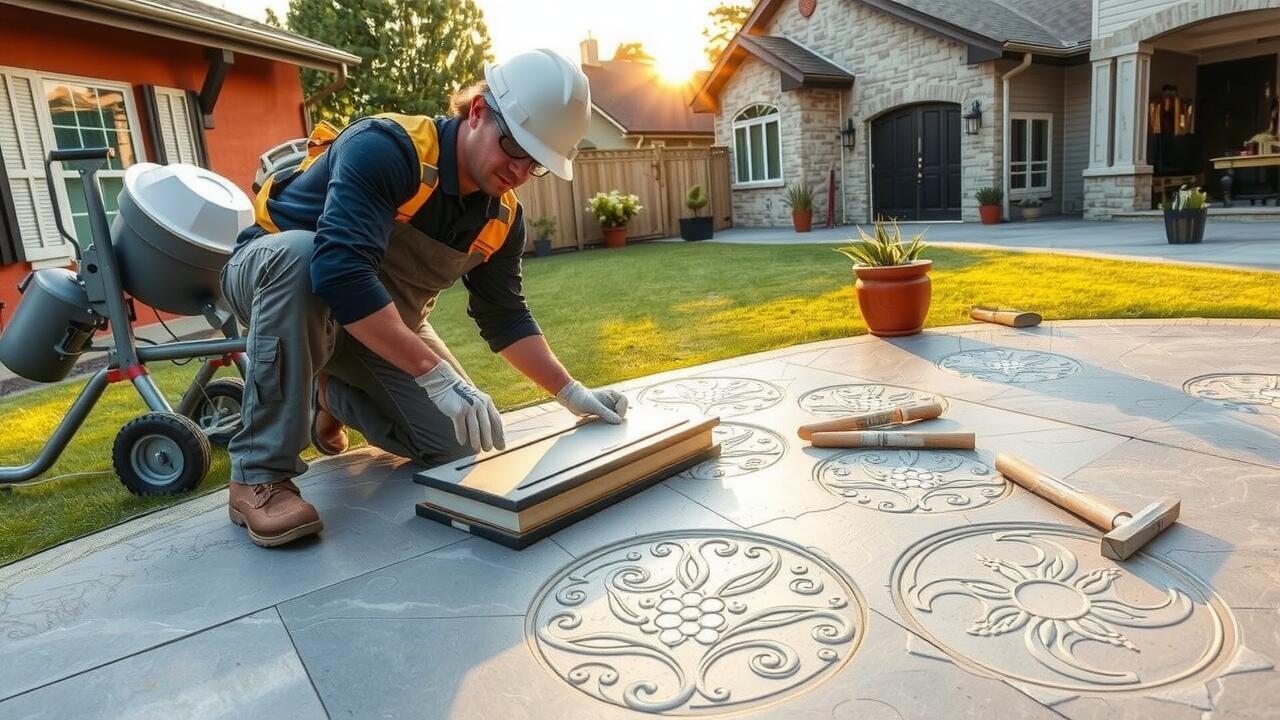
    When considering decorative surfaces for outdoor spaces, stamped concrete stands out due to its versatility and aesthetic appeal. Compared to standard concrete, which offers limited options in terms of design and texture, stamped concrete installation allows for an array of patterns and colors. This customization ensures that the finished product can mimic natural materials like stone or brick at a fraction of the cost. Homeowners often appreciate the enhanced curb appeal that comes with stamped concrete, making it a popular choice for patios, walkways, and driveways.

    Despite its advantages, stamped concrete generally comes with a higher price tag than standard concrete. The additional labor and expertise required to create intricate designs contribute to the increased cost. However, when compared to other decorative options like pavers or natural stone, stamped concrete often presents a more cost-effective solution without sacrificing appearance. The value added by stamped concrete installation can often lead to a greater return on investment for property owners seeking to enhance their home’s exterior.

    Cost Analysis Against Standard Concrete

    When considering the costs associated with a 20×20 stamped concrete installation, it becomes essential to compare it to standard concrete options. Standard concrete generally has a lower initial cost, typically ranging from $3 to $5 per square foot. In contrast, stamped concrete can range from $8 to $15 per square foot, largely due to the added labor, materials, and techniques required to achieve its decorative finish. This pricing difference reflects not only the aesthetic advantages but also the durability enhanced by the texturing and coloring processes used in stamped concrete.

    Moreover, the long-term investment aspect of stamped concrete influences many homeowners’ decisions. Although the upfront costs are higher, stamped concrete can offer greater value over time due to its visual appeal and resistance to wear and tear. It requires less maintenance than standard concrete, which may wear down faster and require repairs or resurfacing. This factor is vital for homeowners looking to enhance their property’s curb appeal while ensuring longevity, making stamped concrete installations a worthy consideration despite the higher initial financial outlay.

    The Importance of Quality in Stamped Concrete

    Quality plays a critical role in the overall appearance and longevity of stamped concrete. High-quality materials and skilled craftsmanship ensure that the finished product is not only visually appealing but also durable. When considering stamped concrete installation, the selection of proper mixes and additives can significantly affect how well the surface withstands weather conditions and wear over time. Investing in quality during installation can save money in the long run by reducing the likelihood of cracks and unsightly blemishes.

    The differences in quality are also evident when comparing various stamped concrete designs and finishes. A well-executed stamped concrete installation can mimic natural stone or brick, enhancing curb appeal and value. Conversely, lower quality work may lead to faded colors or uneven textures that detract from the overall aesthetic. Homeowners should prioritize quality to ensure their stamped concrete remains attractive and functional for years to come.

    How Quality Influences Cost

    The quality of materials and workmanship plays a significant role in determining the overall cost of stamped concrete installation. Higher quality concrete mixes often exhibit better durability and appearance, resisting the elements and everyday wear more effectively than their lower-cost counterparts. Investing in premium materials such as color additives and sealers can enhance the aesthetic appeal and longevity of the surface. This increased durability may justify the higher upfront costs, especially for those seeking a long-term investment.

    Additionally, the expertise of the contractor performing the stamped concrete installation heavily impacts the price. Skilled professionals typically charge more for their services but bring a level of experience that can result in superior finishes and fewer issues down the line. DIY attempts may save on labor costs but can lead to mistakes that compromise the integrity of the project. Consequently, understanding the trade-offs between quality and cost helps homeowners make informed decisions about their stamped concrete installation.

    Estimating DIY Costs vs. Professional Installation

    Considering a DIY approach to stamped concrete installation can be appealing for those looking to save on labor costs. Basic materials like concrete mix, stamps, and sealants can be relatively affordable. However, hidden expenses may arise, including the need for special tools such as a concrete mixer or trowel, as well as potential mistakes that could increase the total cost. Many first-time installers underestimate the time commitment, which can lead to frustration and unforeseen expenses.

    On the other hand, hiring professionals for stamped concrete installation typically results in higher upfront costs but can provide a higher-quality finish. Experienced contractors offer expertise that can prevent common pitfalls during the installation process. They also often come with insurance and guarantees, which can alleviate concerns if issues arise after the project is completed. Weighing the benefits of professional quality against the savings from a DIY project is crucial for making the best choice for your specific circumstances.

    Pros and Cons of Each Approach

    DIY stamped concrete installation can be an appealing option for those wanting to save on labor costs. Homeowners often see this as an opportunity to create a unique outdoor space while honing their skills. With proper planning and the right tools, a DIY project can lead to a blend of affordability and personal satisfaction. However, it demands significant time, effort, and a learning curve, which could lead to potential mistakes that may compromise the final outcome.

    On the other hand, opting for professional installation of stamped concrete ensures a higher level of expertise and a polished finish. Experienced contractors understand the nuances of the installation process, providing a result that is often more durable and aesthetically pleasing. The downside is the additional expense associated with hiring professionals, which can substantially increase the overall project cost. Homeowners must weigh the benefits of quality and reliability against the desire for a budget-friendly approach when making their decision.

    FAQS

    What is the average cost of a 20×20 stamped concrete patio?

    The average cost of a 20×20 stamped concrete patio typically ranges between $1,500 and $3,000, depending on various factors such as design complexity, material quality, and local labor rates.

    How does the cost of stamped concrete compare to standard concrete?

    Stamped concrete generally costs more than standard concrete due to the additional labor and materials required for the stamping process. While standard concrete may cost around $3 to $5 per square foot, stamped concrete can run from $8 to $12 per square foot or more.

    What factors influence the cost of stamped concrete?

    Several factors influence the cost of stamped concrete, including the intricacy of the design, the quality of materials used, the thickness of the slab, location, and whether it is a DIY project or professional installation.

    Can I save money by installing stamped concrete myself?

    Yes, you can save money by opting for a DIY installation, which eliminates labor costs. However, keep in mind that stamped concrete requires specific skills and tools, so it’s essential to weigh the pros and cons before deciding.

    What are the potential drawbacks of choosing stamped concrete?

    Some potential drawbacks of stamped concrete include higher initial costs, the need for proper maintenance to prevent cracking or fading, and the possibility of slippery surfaces when wet.
  • How much does it cost to hire someone to lay concrete?

    How much does it cost to hire someone to lay concrete?

    Size of the Project and Its Influence on Pricing

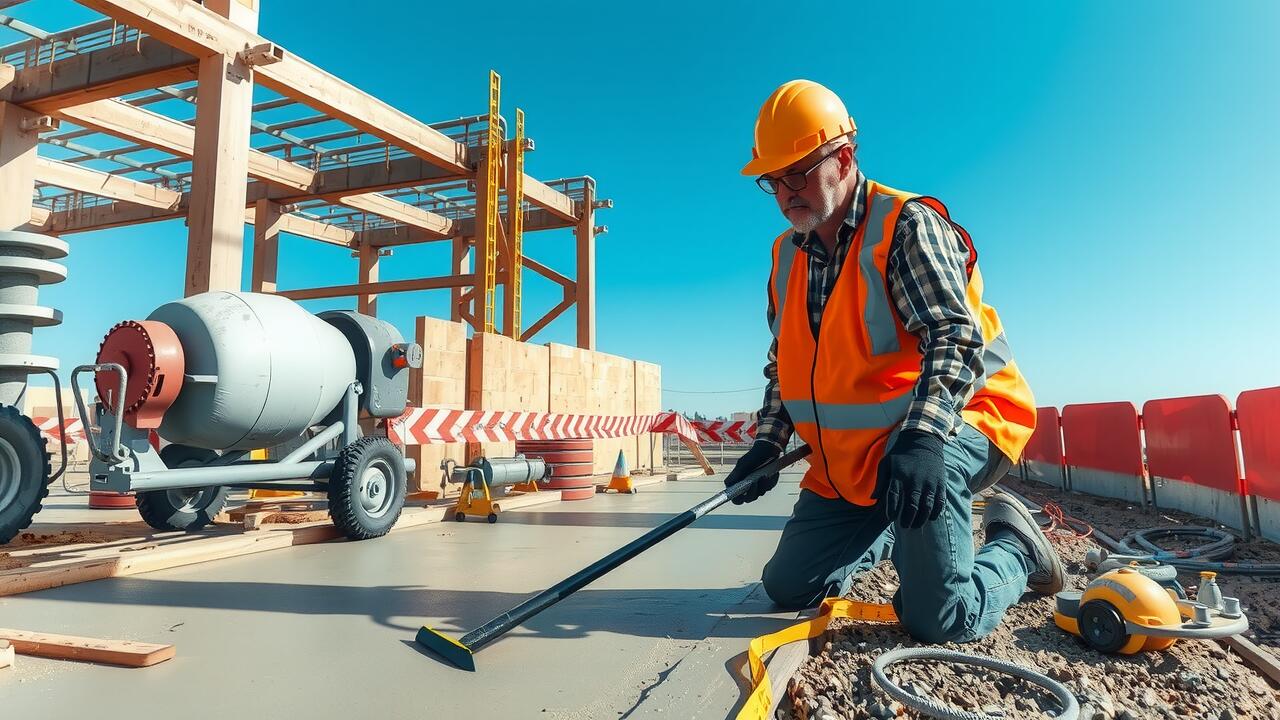
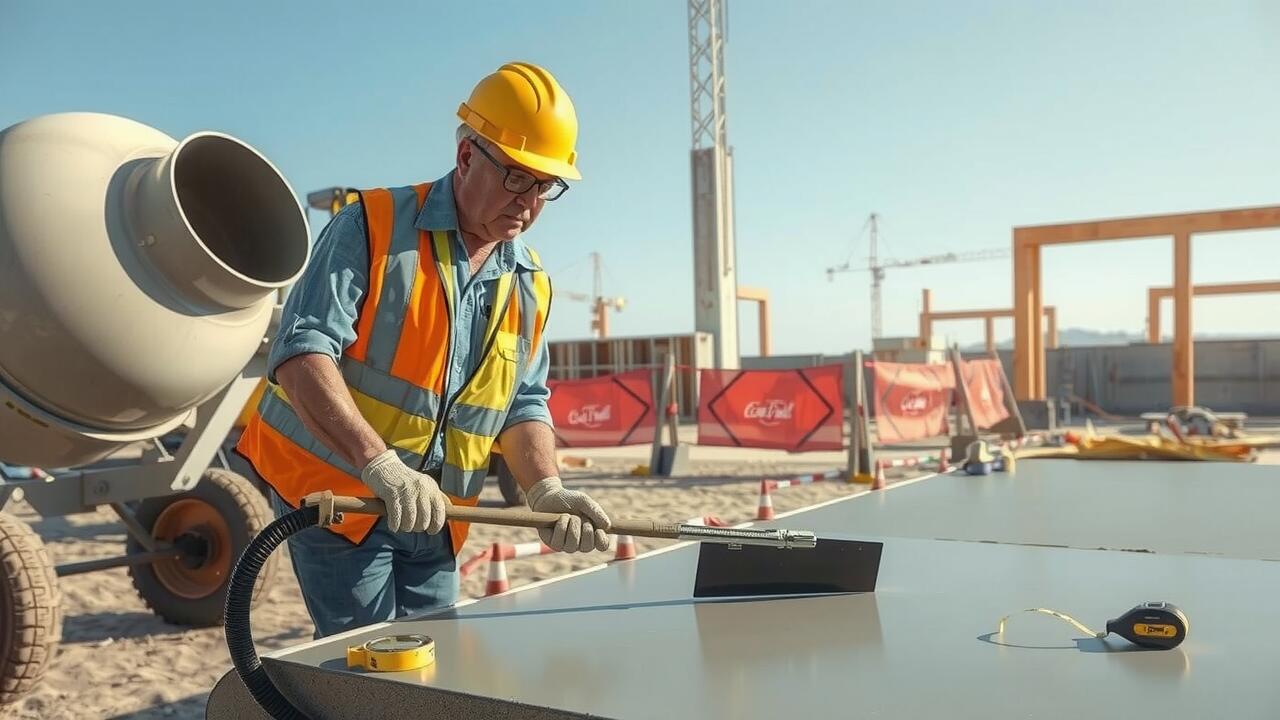
    The size of the project significantly affects the overall cost of hiring a professional for concrete slab installation. Smaller areas, such as patios or walkways, may incur higher per-square-foot expenses because the fixed costs of equipment mobilization and labor are spread over a limited area. In contrast, larger projects can benefit from economies of scale. The cost per square foot typically decreases as the total area increases, making it more affordable to lay concrete in larger spaces like driveways or foundations.

    Furthermore, the complexity of the installation can also play a role in pricing. Simple, straightforward concrete slab installations are generally less expensive compared to intricate designs that require additional materials or specialized skills. Factors such as site preparation, accessibility, and the need for reinforcement may add to the overall expense. Understanding these variables helps homeowners make informed decisions about their concrete projects while keeping budget considerations in mind.

    Small vs. Large Areas

    The cost of laying concrete can vary significantly based on the size of the project. For small areas, like a garden path or a patio slab, homeowners may find that the expense is primarily driven by labor and material costs. Generally, smaller jobs are charged at a higher per-square-foot rate because they are less efficient for contractors. The materials and preparation remain essential regardless of the scale, but the overall price tends to be more manageable for those looking for minor installations.

    In contrast, larger concrete slab installations usually benefit from economies of scale. As the area increases, the cost per square foot often decreases, making it more cost-effective for extensive projects like driveways or foundations. Larger jobs allow contractors to optimize their processes and reduce waste, leading to competitive pricing. However, these expansive projects might require additional considerations, such as heavier machinery, which can impact overall costs.

    Seasonal Considerations for Concrete Projects

    Seasonal variations can significantly affect the cost and feasibility of any concrete project. Concrete Slab Installation tends to be more optimal during mild weather conditions. Extreme heat or cold can lead to issues such as cracking or delayed curing, which may necessitate additional materials or time to ensure quality. Contractors often adjust their rates based on the season because warm temperatures generally allow for quicker projects, whereas colder weather can bring additional considerations.

    In regions with harsh winters or wet seasons, scheduling becomes crucial. Increased demand for indoor projects during these times may raise prices. Conversely, summer offers more opportunities but also leads to higher competition among contractors, impacting costs. Understanding these seasonal factors is essential for budgeting and planning a successful Concrete Slab Installation, ensuring that the project runs smoothly and meets the desired standards of durability and quality.

    Impact of Weather on Cost

    Weather conditions play a crucial role in the pricing of concrete slab installation. Rain and extreme temperatures can delay projects, which may lead to increased labor costs and extended timelines. Contractors often factor potential weather disruptions into their quotes, reflecting the unpredictability involved in outdoor concrete work. Cold weather can slow the curing process, while hot temperatures may require additional measures to ensure proper hydration.

    Additionally, the time of year can affect the overall cost of concrete projects. During peak construction seasons, demand for skilled labor can drive prices higher. Conversely, working in off-peak months may reduce labor availability but could lead to lowered rates for concrete slab installation. Ultimately, understanding the local climate and its seasonal patterns can aid homeowners in planning their projects more effectively and budgeting accordingly.

    Hiring Professionals vs. DIY Approaches

    When considering whether to hire professionals or take a do-it-yourself approach for concrete slab installation, it’s crucial to evaluate the complexity of the project. Professionals bring experience and expertise that can lead to a smoother execution. They understand the nuances of mixing and pouring concrete, ensuring the right thickness and reinforcement. This knowledge often translates to higher quality work, which can save time and money in the long run. For larger projects or intricate designs, it is generally advisable to enlist the help of specialists to mitigate potential issues.

    On the other hand, a DIY approach can be appealing for those on a budget or who have experience in home improvement projects. The cost of materials can be lower than hiring a contractor. However, the risks associated with improper installation can lead to costly repairs later. Factors such as levelness, curing time, and correct mixing ratios are critical to the success of concrete slab installation. Without proper knowledge, novices may inadvertently create problems that experienced professionals would easily avoid. Balancing cost savings with the quality of the finished product is essential when making a decision.

    Cost Comparisons

    When considering hiring professionals for concrete slab installation, the expenses can vary widely based on experience and expertise. Typically, contractors charge per square foot, which can range from $4 to $10, depending on factors such as the project’s complexity and location. While this might seem steep, professional installation often ensures a higher quality finish and durability, potentially saving money in the long run due to fewer repairs and maintenance needs.

    On the other hand, a DIY approach can significantly reduce the initial outlay for concrete slab installation. Materials purchased at home improvement stores may cut costs, but one must factor in equipment rentals and the value of time spent on the project. For those inexperienced with concrete work, the risk of errors increases, potentially leading to greater expenses for repairs or rework later on. Making a balanced assessment of one’s skills and resources is essential before deciding on the best route to take.

    FAQS

    What is the average cost to hire someone to lay concrete?

    The average cost to hire a professional to lay concrete typically ranges from $4 to $8 per square foot, depending on various factors such as the complexity of the project, materials used, and local labor rates.

    How does the size of the concrete project affect the cost?

    Larger projects usually have a lower cost per square foot due to economies of scale, while smaller projects might incur higher costs per square foot due to fixed labor expenses and setup costs.

    Are there additional costs associated with laying concrete in different seasons?

    Yes, seasonal considerations can impact costs. For example, winter projects may require special materials or heating, which can increase the overall price, while summer projects might face higher demand and labor costs.

    What factors should I consider when deciding between hiring a professional and doing it myself?

    When deciding between hiring a professional and doing it yourself, consider your skill level, the complexity of the project, the cost of materials, the availability of tools, and the potential for costly mistakes.

    Can I save money by using different types of concrete?

    Yes, different types of concrete have varying costs. For instance, standard concrete is generally less expensive than decorative options like stamped or stained concrete, so choosing the right type based on your budget can help save money.

  • How much does it cost to do a 20×20 concrete slab?

    How much does it cost to do a 20×20 concrete slab?

    Comparing DIY vs. Professional Installation

    When considering concrete slab installation, homeowners often face the decision of whether to tackle the project themselves or hire a professional. DIY installations can provide significant savings on labor costs, appealing to those with a strong desire to learn and a bit of experience in construction tasks. However, the success of DIY installations depends heavily on the individual’s skill level, access to tools, and understanding of the proper techniques needed for working with concrete.

    On the other hand, professional installation typically offers a higher level of expertise and efficiency. Experienced contractors can navigate challenges that arise during the process, ensuring that the slab is correctly poured and cured. Although this option involves higher upfront costs, it often mitigates the risks of costly errors and rework down the line, making it a more reliable choice for those looking for long-lasting results.

    Cost Analysis of Each Approach

    When considering the financial implications of a 20×20 concrete slab, it’s important to examine both DIY and professional installation options. DIY enthusiasts might find that purchasing materials such as cement, gravel, and rebar, along with renting necessary equipment, can typically amount to a few hundred dollars. However, the cost of tools and potential mistakes may lead to additional expenses. Time investment may also be considerable, particularly if you lack prior experience in concrete slab installation.

    On the other hand, hiring a professional for concrete slab installation often results in a higher upfront expenditure. Labor costs can significantly increase the total bill, especially when factoring in the expertise and equipment that professionals bring to the table. While the initial investment is steep, the advantages include a potentially faster process and a guarantee of quality workmanship. Understanding these cost differences is essential for anyone looking to make an informed decision about their project.

    Estimating Total Cost for a 20×20 Slab

    Estimating the total cost for a 20×20 concrete slab involves several factors, including the price of materials and labor. For the concrete itself, the cost typically ranges from $100 to $150 per cubic yard, with a 20×20 slab requiring about 5 cubic yards of concrete. Additional expenses can stem from necessary materials like rebar, gravel, or forms, further influencing the final budget.

    Labor costs vary widely based on location and project complexity. In some regions, hiring professional contractors for concrete slab installation may add between $1,500 to $3,000, depending on the overall scope of the project. By considering both material and labor expenses, homeowners can develop a clearer picture of the total investment required for a 20×20 concrete slab.

    Calculating Square Footage and Volume

    To calculate the total square footage of a 20×20 concrete slab, begin by determining the dimensions of the area. In this case, a 20-foot by 20-foot slab equates to a total of 400 square feet. Square footage is a crucial aspect as it directly impacts material costs and project scope. Understanding this measurement is essential for anyone considering concrete slab installation, whether for a garage, patio, or any other structure.

    Volume calculation is equally important. A typical concrete slab is measured in cubic feet, which requires factoring in the thickness of the slab. Common thicknesses range from 4 to 6 inches. For instance, if you opt for a 4-inch thick slab, the formula involves multiplying the square footage (400 square feet) by the thickness (1/3 of a foot). This results in approximately 133.33 cubic feet of concrete needed for the installation, providing a foundational understanding of the material quantities required for a successful project.

    Permits and Regulations

    Local laws and regulations can dictate whether a permit is required for concrete slab installation. Homeowners should check with their city or county building department before starting the project. This ensures compliance with zoning laws, building codes, and any necessary safety standards. Missing a permit can result in fines or complications during the inspection process, particularly if the slab is part of a larger construction project.

    In some areas, a permit may be needed even for small projects, such as a 20×20 slab. Local regulations may vary, impacting everything from slab thickness to reinforcement requirements. Understanding these regulations can save trouble down the line. Planning ahead and obtaining the proper permits not only helps avoid fines but also safeguards against future property disputes.

    Why You Might Need a Permit

    Building codes and regulations often require permits for projects like Concrete Slab Installation. These permits ensure that the work meets local safety standards and zoning laws. Not obtaining the necessary permits can lead to fines and issues when trying to sell your property in the future. Homeowners should always check with their local government or building department to determine the specific requirements for their area.

    In addition to compliance, permits can help safeguard the overall quality and durability of the installation. Inspectors may assess the site before and after the Concrete Slab Installation to verify that the work aligns with established guidelines. This oversight can ultimately contribute to better construction practices, minimizing potential problems down the line. Being informed about permitting requirements is crucial for anyone considering this type of project.

    FAQS

    What is the average cost of a 20×20 concrete slab?

    The average cost of a 20×20 concrete slab typically ranges from $1,500 to $3,000, depending on factors such as material quality, labor, and location.

    What are the main factors that affect the cost of a concrete slab?

    The main factors include the price of concrete, labor costs, site preparation, additional materials (like rebar or wire mesh), and any necessary permits or regulations.

    Is it cheaper to install a concrete slab myself or hire a professional?

    Generally, DIY installation can save on labor costs, making it cheaper upfront. However, professional installation may provide better quality and minimize the risk of costly mistakes, which could add to the overall cost.

    How do I calculate the amount of concrete needed for a 20×20 slab?

    To calculate the amount of concrete, you need to determine the volume by multiplying the area (400 square feet for a 20×20 slab) by the desired thickness (in feet). For example, a 4-inch thick slab requires about 1.23 cubic yards of concrete.

    Do I need a permit to pour a concrete slab?

    It depends on your local regulations. Many areas require a permit for concrete installations, especially for larger slabs or if the project affects drainage or property lines. Always check with your local building authority.

  • Things to do and places to visit in Clinton, Arkansas

    Things to do and places to visit in Clinton, Arkansas

    Greers Ferry Lake

    Nestled in the heart of the Ozarks, this picturesque lake offers a tranquil escape for outdoor enthusiasts. Spanning over 40 miles, it provides ample opportunities for fishing, boating, and swimming. The clear blue waters surrounded by rolling hills create a stunning backdrop for a day of adventure or relaxation.

    Numerous parks and campsites dot the shoreline, allowing visitors to immerse themselves in nature. Hiking trails weave through the lush landscapes, showcasing diverse wildlife and breathtaking views. Sunset at the lake is particularly mesmerizing, making it a perfect place for photography or simply unwinding after a day of exploration.

    Greers Ferry Lake

    Wolf House

    The Wolf House, nestled in the heart of Clinton, is a remarkable structure with a rich history. Built in the 1800s, it showcases classic architectural features typical of the era. Visitors are often captivated by its vintage charm and the stories that echo within its walls. The house was originally constructed by one of the town’s prominent families, adding to its historical significance.

    Today, the Wolf House serves as a museum that opens a window into the past for residents and tourists alike. Guided tours provide insights into the lives of the families who lived there and the historical context of the surrounding area. With its preserved artifacts and photographs, the house invites guests to explore its intriguing narrative while appreciating the craftsmanship of the time.

    Wolf House

    The Old Mill

    Nestled in the heart of Clinton, The Old Mill stands as a beloved landmark celebrating history and artistry. It showcases traditional craftsmanship and the allure of rustic architecture. Visitors can admire its historical significance, reminiscent of a time when mills were essential to local communities. The surrounding gardens enhance the charm, providing a serene setting for quiet reflection or leisurely strolls.

    Walking through the grounds, one can hear the gentle sound of water flowing nearby. The ambiance invites photography enthusiasts and nature lovers alike. A visit here not only offers picturesque views but also serves as an educational experience, shedding light on the mill’s role in the region’s past. Many come to enjoy family outings while taking in the stunning scenery throughout different seasons.

    The Old Mill

    FAQS

    What are some popular outdoor activities to enjoy at Greers Ferry Lake?

    At Greers Ferry Lake, visitors can enjoy a variety of outdoor activities including boating, fishing, swimming, hiking, and picnicking. The scenic views also provide great opportunities for photography and wildlife observation.

    How can I get to the Natural Bridge in Clinton, Arkansas?

    The Natural Bridge is located just a short drive from downtown Clinton. You can reach it by following local roads and signs leading to the bridge, which is easily accessible for visitors.

    What historical significance does the Wolf House hold?

    The Wolf House is a historic landmark in Clinton, Arkansas, known for its architectural style and as a part of the region’s local history. It offers visitors insights into the area’s past and serves as a popular spot for local tours.

    Is The Old Mill suitable for families with children?

    Yes, The Old Mill is a family-friendly destination that offers a picturesque setting for visitors of all ages. Children can enjoy exploring the grounds, and there are often events and activities suitable for families.

    Are there any admission fees for visiting these attractions in Clinton, Arkansas?

    Admission fees vary by location. Greers Ferry Lake and The Old Mill typically have free access, while some specific tours or events at the Wolf House or Natural Bridge may require a small fee. It’s best to check each attraction’s website for the most current information.

  • Things to do and places to visit in Laurinburg, Arkansas

    Things to do and places to visit in Laurinburg, Arkansas

    Laurinburg City Park

    A visit to Laurinburg City Park offers a delightful experience for both locals and travelers. This well-maintained green space features walking trails that meander through picturesque landscapes. Families can find playgrounds for children and picnic areas ideal for gatherings or quiet lunches under the shade of trees.

    The park often hosts community events, providing an opportunity to enjoy local culture and connect with fellow residents. Nature enthusiasts can appreciate the variety of flora and possibly spot some local wildlife. With its inviting atmosphere, Laurinburg City Park serves as a perfect backdrop for recreational activities and relaxation.

    Laurinburg City Park

    The Old Laurinburg Depot

    Visitors to Laurinburg will find a charming piece of history at the old train depot, a testament to the city’s early days as a transportation hub. This structure, built in the late 19th century, served as a bustling center for trade and travel during its prime. Its architecture reflects the period, showcasing the unique design elements that were popular at the time. Although it no longer functions as a train station, the depot stands as a preserved landmark, evoking a sense of nostalgia for those who pass through.

    Today, the restored building hosts various community events and serves as a focal point for local gatherings. Visitors can enjoy exploring the surrounding area, which often features arts and crafts fairs, farmer’s markets, and seasonal festivities. The adjacent park offers a serene space for picnics and leisurely strolls, making it an ideal spot for families and history enthusiasts alike. The depot embodies the spirit of Laurinburg, offering a glimpse into the past while remaining an integral part of the community.

    The Old Laurinburg Depot

    The Scotland County Arts Council

    The Scotland County Arts Council serves as a vibrant hub for artistic expression within Laurinburg. This organization hosts a range of programs aimed at promoting local artists and engaging the community in various forms of art. Exhibitions, workshops, and performances showcase the talents of both emerging and established artists. Visitors can enjoy a calendar filled with events that cater to diverse interests, from visual arts to music and theater.

    In addition to supporting local talents, the Arts Council plays a crucial role in educating the community about the importance of the arts. Outreach programs encourage participation from schools and various age groups, fostering a culture of creativity throughout the region. The Council’s efforts help strengthen connections within the community while also enhancing the cultural landscape of Laurinburg. Art lovers and newcomers alike will find a welcoming environment that celebrates creativity and collaboration.

    The Scotland County Arts Council

    Camp Coker Wildlife Management Area

    Exploring the natural beauty and diverse ecosystems of Camp Coker Wildlife Management Area is a delight for outdoor enthusiasts and nature lovers alike. This expansive area features various habitats, including wetlands, forests, and open fields. Visitors can appreciate the rich biodiversity, which is home to numerous species of birds and wildlife. Birdwatching is particularly popular, as the area provides a great vantage point for spotting various avian species and observing their natural behaviors.

    Hiking and outdoor recreation opportunities abound throughout the area. Well-maintained trails invite visitors to traverse scenic routes for a closer look at the serene landscape. These trails cater to different skill levels, making them accessible for families, solo adventurers, and nature photographers. Whether one is seeking a peaceful day in nature or an engaging outing with friends, the charm and tranquility of this wildlife management area offer a refreshing escape from daily life.

    Camp Coker Wildlife Management Area

    FAQS

    What are some outdoor activities available at Laurinburg City Park?

    Laurinburg City Park offers various outdoor activities, including walking trails, picnic areas, playgrounds for children, and sports facilities like basketball and tennis courts.

    What historical significance does The Old Laurinburg Depot hold?

    The Old Laurinburg Depot is a historic train station that played a vital role in the development of the region’s transportation. It now serves as a community gathering spot and is often featured in local events.

    What can visitors expect to see at The Scotland County Arts Council?

    Visitors to The Scotland County Arts Council can enjoy a range of artistic events, including art exhibitions, performances, and workshops that showcase local talent and cultural heritage.

    Are there any wildlife viewing opportunities at Camp Coker Wildlife Management Area?

    Yes, Camp Coker Wildlife Management Area provides excellent opportunities for wildlife viewing, including various bird species, deer, and other native animals, making it a great spot for nature enthusiasts and photographers.

    Is there an admission fee for attractions in Laurinburg?

    Most attractions in Laurinburg, such as parks and the arts council, do not charge an admission fee; however, it’s best to check specific venues for any potential costs related to special events or programs.

  • Things to do and places to visit in Pinehurst, Arkansas

    Things to do and places to visit in Pinehurst, Arkansas

    Garvan Woodland Gardens

    Nestled on the shores of Lake Hamilton, this botanical garden is renowned for its stunning landscape and diverse plant collections. Visitors can explore themed gardens, which feature native and exotic flora. The beautifully designed pathways meander through the various sections, making it easy to appreciate the intricate arrangements and seasonal displays.

    In addition to the lush greenery, the gardens host various events and educational programs throughout the year. Families can enjoy outdoor activities, while art installations and scenic viewpoints provide perfect photo opportunities. Seasonal festivals often enhance the experience, allowing guests to engage with nature in a vibrant setting.

    Garvan Woodland Gardens

    Hot Springs National Park

    Nestled in the Ouachita Mountains, this park is known for its natural thermal springs and lush landscapes. Visitors can take advantage of the scenic hiking trails that meander through the forest, providing stunning views of the surrounding area. Exploring the historic bathhouse row reveals the rich history of the area. Each building showcases beautiful architecture and invites guests to learn about the significance of the thermal waters.

    Wildlife enthusiasts will appreciate the diverse ecosystem found within the park. Different species of birds and various mammals call this area home, providing ample opportunities for wildlife observation. Scenic drives through the park allow for easy access to some of the best viewpoints. Whether enjoying a leisurely stroll or engaging in more adventurous outdoor activities, this national park offers a unique experience for nature lovers.

    Hot Springs National Park

    Mid-America Science Museum

    A treasure trove of interactive learning awaits visitors at the Mid-America Science Museum. Situated on the outskirts of Hot Springs, this vibrant hub offers a variety of exhibits that cater to curious minds of all ages. From hands-on experiments to impressive fossil displays, the museum ignites a passion for science in an engaging setting. The outdoor discovery area features a stunning glass-enclosed butterfly garden, where guests can observe the delicate creatures in their natural habitat.

    Children can enjoy a dedicated space designed just for them, packed with activities that make learning fun. The museum frequently hosts special events and science demonstrations throughout the year, ensuring there’s always something new to explore. Whether you’re captivated by the wonders of physics or the marvels of biology, this museum provides a unique opportunity to engage with science in unexpected ways.

    Mid-America Science Museum

    FAQS

    What are the top attractions to visit in Pinehurst, Arkansas?

    The top attractions in Pinehurst include Garvan Woodland Gardens, Ouachita National Forest, Hot Springs National Park, and the Mid-America Science Museum.

    Is Garvan Woodland Gardens suitable for families?

    Yes, Garvan Woodland Gardens is family-friendly, featuring beautiful landscapes, walking trails, and educational exhibits that appeal to visitors of all ages.

    What outdoor activities can I enjoy in Ouachita National Forest?

    In Ouachita National Forest, you can enjoy hiking, camping, fishing, and birdwatching, as well as scenic drives and wildlife viewing.

    How much time should I plan to spend at Hot Springs National Park?

    Visitors typically spend 2 to 4 hours at Hot Springs National Park, depending on the activities they choose, such as hiking, visiting the historic bathhouses, and exploring the visitor center.

    Are there any educational experiences available at the Mid-America Science Museum?

    Yes, the Mid-America Science Museum offers interactive exhibits and hands-on activities that provide educational experiences for children and adults alike.

  • Things to do and places to visit in Fayetteville, Arkansas

    Things to do and places to visit in Fayetteville, Arkansas

    Fayetteville Downtown Square

    The heart of Fayetteville is its vibrant Downtown Square, a place bustling with activity and rich in history. Surrounded by local shops, restaurants, and art galleries, the square reflects the town’s charm and community spirit. Visitors can explore various boutiques that offer unique merchandise, including handmade crafts and clothing. The array of dining options ranges from cozy cafés to upscale eateries, catering to diverse tastes.

    Regular events and gatherings contribute to the lively atmosphere, making it a focal point for both locals and tourists. The farmers market operates here on weekends, showcasing fresh produce, artisanal goods, and local crafts, emphasizing the region’s agricultural roots. Street performances, art displays, and seasonal festivities further enhance the appeal of the square, creating a welcoming environment for everyone.

    Fayetteville Downtown Square

    Ozark National Forest

    The vast expanse of Ozark National Forest offers a wealth of outdoor activities and breathtaking landscapes. Visitors can explore over one million acres of diverse ecosystems, featuring dramatic bluffs, clear streams, and rich forests. Hiking trails wind through the terrain, catering to all levels of experience. Popular routes include the scenic Hawksbill Crag and the challenging Ozark Highlands Trail. Wildlife enthusiasts may spot deer, wild turkey, or even the elusive black bear while venturing through the area.

    Camping is a cherished pastime for many who visit the forest. Numerous campgrounds provide amenities ranging from rustic to more developed sites, ensuring a suitable option for every camper. Fishing and kayaking are also prevalent in the forest’s lakes and rivers, offering additional leisure pursuits. This natural sanctuary allows visitors to reconnect with nature and experience the tranquility of the outdoors, making it a beloved spot for both locals and tourists alike.

    Ozark National Forest

    Razorback Greenway

    The Razorback Greenway is a remarkable 36-mile long trail that stretches from Lake Fayetteville to south of Springdale. It offers a scenic route for pedestrians, cyclists, and joggers alike. This paved pathway is designed to promote outdoor activity while showcasing the natural beauty of the Ozarks. Along the way, visitors can enjoy views of lush greenery, wildlife, and charming community parks.

    Equipped with various access points, the Greenway allows easy entry for residents and tourists. Its connection to local landmarks and neighborhoods encourages exploration. Whether one seeks a quiet stroll or a vigorous workout, this trail caters to diverse preferences. The Razorback Greenway serves as a vital link within the region, uniting the cities of Northwest Arkansas while fostering a sense of community and wellness.

    Razorback Greenway

    Fayetteville Farmers Market

    The Fayetteville Farmers Market showcases a vibrant array of produce, artisanal goods, and crafts, bringing locals and visitors together. Held on the historic downtown square, the market fosters a sense of community while supporting local farmers and vendors. Stalls brim with seasonal fruits, fresh vegetables, baked items, and handmade crafts, making it a feast for both the eyes and palate.

    Beyond food, the market hosts live music and entertainment, creating a lively atmosphere for shoppers. As the sun rises, the square becomes a hub of activity, where people gather to socialize, enjoy breakfast from food trucks, and sample local delicacies. The farmers market exemplifies the charm of Fayetteville, serving as more than just a shopping destination; it is a cultural experience that highlights the region’s agricultural richness.

    Fayetteville Farmers Market

    FAQS

    What are some popular attractions in Fayetteville, Arkansas?

    Some popular attractions include the Fayetteville Downtown Square, Ozark National Forest, Razorback Greenway, and the Fayetteville Farmers Market.

    Is there parking available at the Fayetteville Downtown Square?

    Yes, there are several parking options available near the Fayetteville Downtown Square, including street parking and nearby lots.

    Can I hike in the Ozark National Forest?

    Absolutely! The Ozark National Forest offers a variety of hiking trails suitable for all skill levels, along with beautiful scenery and wildlife.

    What types of products can I find at the Fayetteville Farmers Market?

    The Fayetteville Farmers Market features a wide range of products, including fresh produce, artisanal goods, handmade crafts, and local specialties.

    Is the Razorback Greenway suitable for biking?

    Yes, the Razorback Greenway is designed for both walking and biking, making it a great option for outdoor enthusiasts looking to explore the area.

  • Things to do and places to visit in Arkansas

    Things to do and places to visit in Arkansas

    Fayetteville

    Fayetteville, situated in the Ozark Mountains, is known for its vibrant culture and scenic beauty. The city is home to the University of Arkansas, which significantly contributes to its youthful energy and diverse community. With a rich history dating back to the 1800s, the downtown area is filled with charming shops, local restaurants, and historical landmarks. Fayetteville also hosts various festivals throughout the year, drawing both locals and visitors eager to experience its unique offerings.

    Outdoor enthusiasts find plenty to explore in and around Fayetteville. The nearby Ozark National Forest provides opportunities for hiking, biking, and camping. The city’s commitment to parks and recreational activities makes it an inviting place for families and individuals alike. Art and music are woven into the community, with numerous galleries and live performances showcasing local talent. The blend of nature and culture creates a dynamic atmosphere that attracts a wide range of people.

    Fayetteville

    Bentonville

    Bentonville, a city in northwest Arkansas, has emerged as a vibrant center for culture and commerce. Home to the world-renowned Crystal Bridges Museum of American Art, the city attracts visitors with its unique blend of outdoor activities and artistic experiences. The museum features an impressive collection of American artworks in an architecturally stunning setting, nestled within beautiful Ozark landscapes. Local parks and trails also provide ample opportunities for outdoor enthusiasts to explore the natural beauty of the region.

    The city’s growth has been significantly influenced by the presence of major corporations, particularly Walmart, which was founded here in 1962. This corporate backdrop has fostered economic development and innovation, leading to a bustling downtown area filled with shops, restaurants, and entertainment options. Community events and festivals further enhance the local atmosphere, encouraging residents and visitors to engage with one another while celebrating the city’s unique heritage.

    Bentonville

    Jonesboro

    Jonesboro serves as a vibrant hub in northeastern Arkansas known for its rich history and cultural heritage. The city offers a diverse economy, with industries ranging from education to healthcare. Arkansas State University, located in Jonesboro, not only provides educational opportunities but also contributes to the local economy and culture. The campus’s active student body fosters a lively atmosphere, influencing the city’s events and activities.

    The area boasts a variety of parks and recreational facilities, making it an appealing destination for outdoor enthusiasts. Crowley’s Ridge Nature Center showcases the region’s unique wildlife and landscapes. Local festivals, including the annual Jonesboro Downtown BBQ Fest, highlight the community’s commitment to family-friendly activities and local cuisine. With a mix of urban amenities and a welcoming atmosphere, it continues to draw visitors and residents alike.

    Jonesboro

    Eureka Springs

    Nestled in the Ozark Mountains, Eureka Springs is renowned for its picturesque landscapes and vibrant arts scene. The entire town is designated as a Historic District, featuring beautifully preserved Victorian architecture. Visitors are often drawn to its winding streets and charming shops filled with local crafts and antiques. Unique galleries celebrate the work of local artists, making a stroll through downtown a delightful experience.

    The area’s natural springs have attracted people for centuries, believed by many to possess healing properties. Today, the springs remain a focal point for both tourists and locals. Outdoor enthusiasts can explore numerous hiking trails, while the nearby lakes offer opportunities for fishing and boating. Festivals and events throughout the year foster a sense of community and celebrate the town’s rich culture.

    Eureka Springs

    FAQS

    What are some popular attractions in Fayetteville, Arkansas?

    Some popular attractions in Fayetteville include the Crystal Bridges Museum of American Art, the Botanical Garden of the Ozarks, and the University of Arkansas campus, which features beautiful architecture and various art installations.

    What can I do in Bentonville, Arkansas?

    In Bentonville, you can visit the Walmart Museum, explore the Crystal Bridges Museum of American Art, and enjoy outdoor activities at the nearby Ozark Mountains. The city also offers a vibrant downtown area with shops, restaurants, and art galleries.

    Is Jonesboro worth visiting?

    Yes, Jonesboro is worth visiting for its rich history and cultural attractions. You can explore the Arkansas State University campus, visit the Craighead Forest Park for outdoor activities, and check out the local arts scene in the area.

    What makes Eureka Springs a unique destination?

    Eureka Springs is unique due to its Victorian architecture, natural springs, and vibrant art community. The town is known for its historic district, quirky shops, and outdoor activities like hiking and exploring the nearby Ozark National Forest.

    What outdoor activities can I enjoy in Arkansas?

    Arkansas offers a range of outdoor activities, including hiking, fishing, and camping in its numerous state parks and natural areas. Popular spots include the Ozark National Forest, Hot Springs National Park, and Petit Jean State Park, where you can enjoy the stunning scenery and diverse wildlife.