Blog

  • How much does concrete injection repair cost?

    How much does concrete injection repair cost?

    Comparing DIY vs. Professional Services

    Concrete repair can often be handled as a do-it-yourself project. Homeowners may find it appealing to save money and tackle the task on their own. With various kits available at home improvement stores, the process seems straightforward. Individuals can gain hands-on experience and feel a sense of accomplishment upon completion. However, this approach may overlook the nuances of proper technique and the potential for future issues. Without adequate knowledge, the repair may not last as long as anticipated.

    On the other hand, hiring professional services for concrete repair ensures that the job is done correctly. Experts bring specialized equipment and techniques that can lead to more effective results. They are familiar with different types of concrete and the specific challenges that various conditions present. While the initial investment may be higher, the long-term benefits could outweigh the costs. Relying on professionals may also provide peace of mind, knowing the repair is carried out by individuals experienced in maintaining the integrity of structures.

    Pros and Cons of Each Approach

    When considering concrete repair, the decision between DIY methods and hiring professional services requires careful thought. DIY projects can save money, especially if the homeowner possesses the necessary skills and tools. Homeowners may find satisfaction in completing repairs independently. However, the risks include potential mistakes that could lead to further damage or inadequate repairs, increasing long-term costs.

    On the other hand, professional services offer expertise and efficiency, often resulting in higher-quality workmanship. Professionals usually assess the underlying issues accurately and employ appropriate techniques for concrete repair. This assurance comes at a cost, which may be prohibitive for some. Some homeowners may feel a loss of control over the process when relying on outside contractors. Each approach has distinct advantages and challenges, making it essential for homeowners to weigh both options before making a decision.

    Benefits of Concrete Injection Repair

    Concrete injection repair offers several benefits that appeal to homeowners and businesses alike. This method effectively fills cracks and voids within the concrete, restoring its structural integrity. The process is typically less invasive than traditional repair methods, allowing for faster project completion without the need for extensive excavation. Moreover, this technique can be applied to various surfaces, making it a versatile option for many concrete repair situations.

    Another significant advantage of concrete injection repair is its long-term durability. The materials used in the injection process are designed to bond strongly with existing concrete, preventing future water infiltration and further damage. This ensures lasting protection against environmental elements. Homeowners can also expect enhanced stability and support for their structures, especially in foundation repairs. Concrete Repair becomes an essential solution for maintaining the longevity and safety of essential structures.

    Long-Term Durability and Effectiveness

    Concrete injection repair offers significant long-term durability when performed correctly. The injected material penetrates cracks and voids in existing concrete, creating a strong bond as it cures. This process not only fills gaps but also helps to stabilize the structure, ensuring that future settling or shifting is minimized. With proper maintenance and care, the repairs can last for many years, effectively extending the lifespan of the concrete.

    The effectiveness of concrete injection repair is evident in its ability to restore the structural integrity of the damaged area. It helps prevent further deterioration by sealing out moisture and minimizing the potential for freeze-thaw cycles that can worsen cracks. Homeowners and property managers appreciate that this method is often less invasive than traditional repair techniques, making it a practical choice for addressing issues without significant disruption to daily activities. Overall, concrete repair through injection stands out for its durability and effectiveness in safeguarding concrete structures.

    Common Applications of Concrete Injection

    Concrete injection serves diverse applications, primarily in addressing cracks and voids within concrete structures. One of the most common uses is for foundation repairs and stabilization. When a home’s foundation sustains damage from settling or shifting soil, concrete injection can restore integrity. This method helps eliminate voids beneath the slab, effectively redistributing weight and preventing further movement.

    Another significant application of concrete injection is in the repair of surfaces exposed to moisture, such as basements or retaining walls. Concrete Repair techniques mitigate water infiltration by sealing cracks and creating barriers against leaks. These solutions are vital in maintaining the longevity of structures where water damage poses a consistent threat. Effective concrete injection can enhance the durability of walls and floors, ensuring they remain resilient against natural elements.

    Foundation Repairs and Stabilization

    Concrete injection is a crucial method for foundation repairs and stabilization, particularly for structures experiencing significant settling or cracking. This technique involves injecting a special epoxy or polyurethane foam into cracks and voids within the foundation. The injected material expands and hardens, effectively filling gaps and reinforcing the structural integrity of the foundation. This targeted approach addresses specific issues, often preventing further damage and minimizing the need for extensive repairs.

    When it comes to long-term effectiveness, concrete injection stands out as a reliable solution. The materials used in the injection process are designed to withstand various environmental factors, ensuring durability over time. For homeowners, the benefits of using concrete injection for foundation repairs include reduced costs when compared to extensive excavation and replacement. Stabilizing a foundation not only enhances the safety of the structure but also preserves the overall value of the property for years to come.

    FAQS

    What factors influence the cost of concrete injection repair?

    The cost of concrete injection repair can be influenced by several factors including the size of the area being repaired, the severity of the damage, the type of injection material used, and whether you choose DIY methods or hire professional services.

    Is DIY concrete injection repair cost-effective?

    DIY concrete injection repair can be cost-effective if you have the necessary skills and tools. However, if you lack experience, you may end up incurring additional costs due to mistakes or inadequate repairs.

    How much can I expect to pay for professional concrete injection services?

    The price for professional concrete injection services typically ranges from $300 to $1,500, depending on the factors like the extent of the damage and the specific materials used.

    Are there any ongoing costs associated with concrete injection repair?

    While concrete injection repair is designed for long-term durability, ongoing costs may arise if the underlying issues contributing to the damage are not addressed, potentially leading to further repairs in the future.

    Can I get a warranty on concrete injection repairs?

    Many professional concrete injection services offer warranties on their work. It’s best to inquire about warranty details and coverage before proceeding with the repair to ensure you are protected against future issues.
  • What is the cheapest driveway repair?

    What is the cheapest driveway repair?

    Comparing Repair Costs

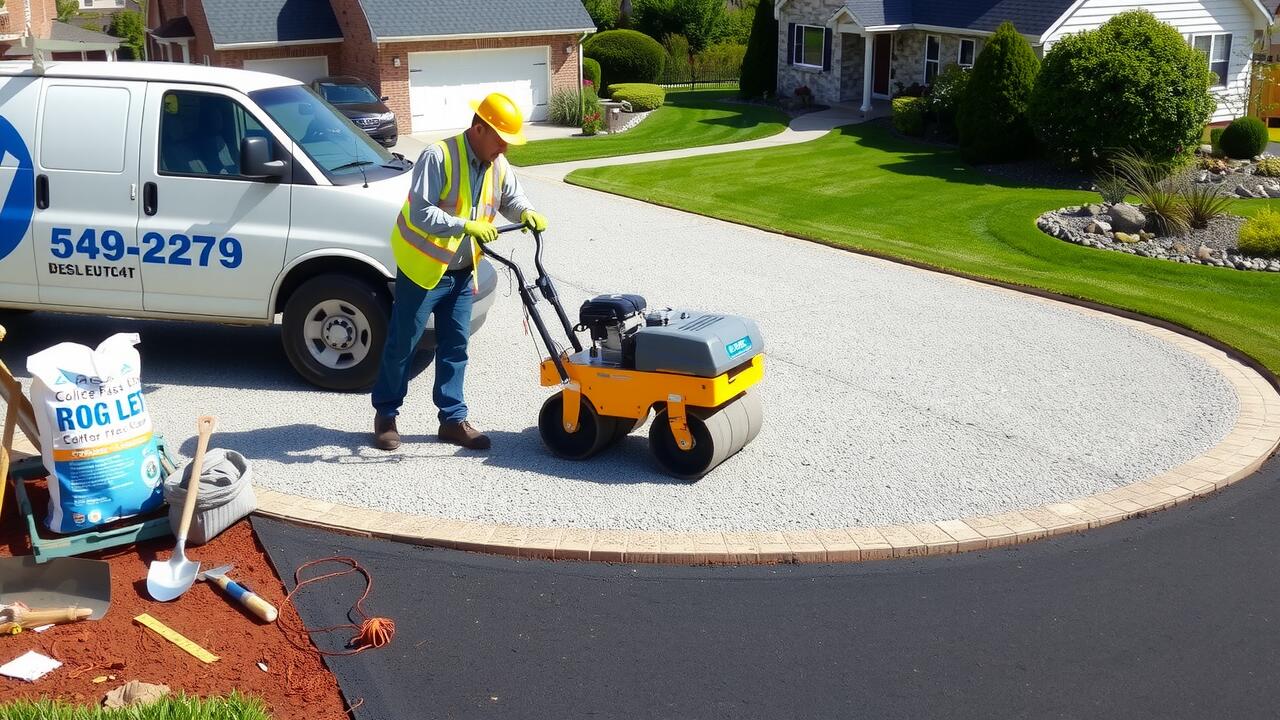
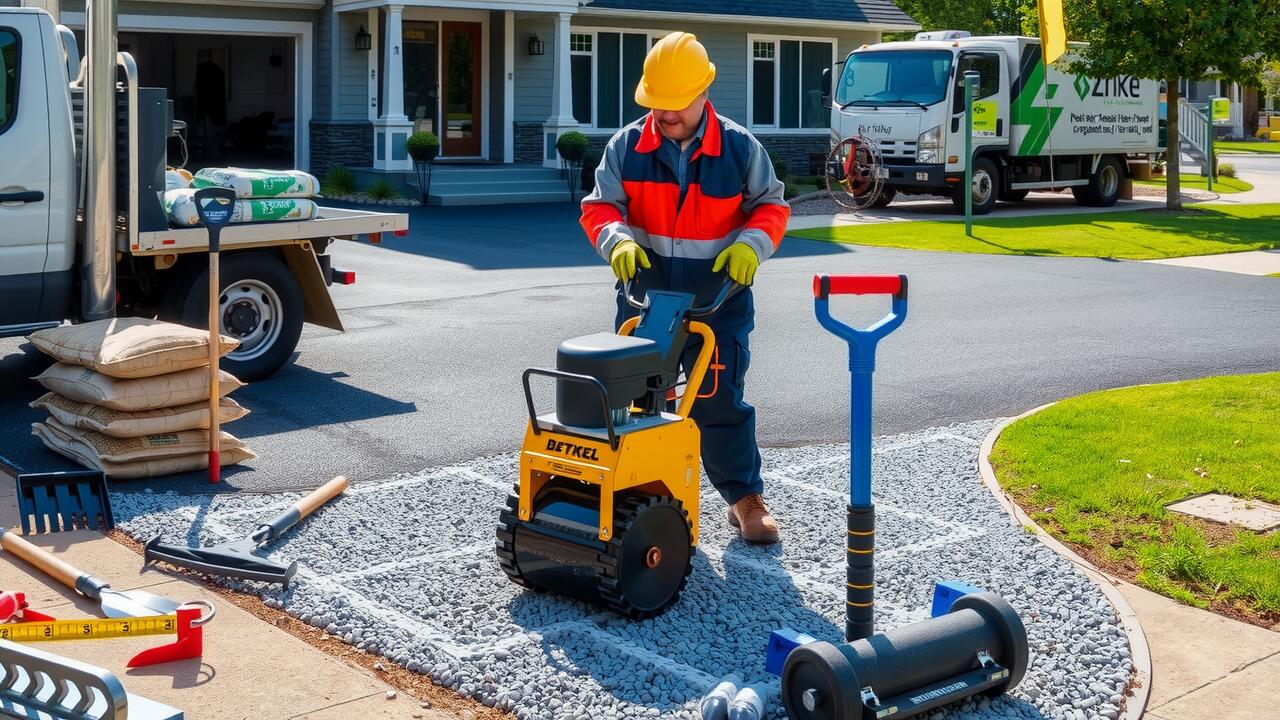
    When evaluating driveway repair costs, it’s essential to consider the type of damage and the materials used. Cracks, potholes, and surface erosion each require different approaches. A simple crack filling might range from $100 to $300, while more extensive repairs could lead to costs exceeding $1,000. Additionally, the original driveway installation quality influences how much repair work will be necessary over time. Higher quality materials tend to have fewer issues but can incur higher upfront costs.

    Comparing various repair methods is crucial for finding the most affordable solution. Asphalt patching typically costs less than concrete repairs, but each option has its longevity and maintenance requirements. Homeowners should also factor in labor costs. DIY repairs can cut down expenses significantly but may not yield professional results. The overall durability, appearance, and ease of maintenance after repairs should also play a role in decision-making.

    Factors Influencing Pricing

    Several factors influence the pricing of driveway repair projects, including the extent of damage and the type of material used. When dealing with minor cracks or surface-level issues, repairs tend to be more affordable. For larger issues like structural damage or deep potholes, costs can escalate significantly. Geographic location frequently plays a role as well, with labor and material costs varying by region.

    Additionally, the type of driveway material impacts repair expenses. Asphalt and concrete have different pricing structures, with asphalt typically being less expensive to repair than concrete. The timing of maintenance also matters; proactive repairs can help prevent more severe damage, leading to lower costs over time. Factors such as driveway installation and routine upkeep should be considered when budgeting for repairs.

    Using Alternative Materials

    When considering driveway repair, alternative materials present a cost-effective option that can enhance both durability and aesthetics. Recycled asphalt, for instance, provides a sustainable choice that is often less expensive than traditional asphalt. Its flexibility in application makes it suitable for various conditions. Pavers made from concrete or brick offer another alternative, known for their long lifespan and ability to withstand heavy loads. Some homeowners opt for permeable pavers, contributing to effective drainage while providing a visually appealing surface.

    Choosing the right materials during driveway installation can significantly impact repair costs. Utilizing materials such as gravel or compacted stone can drastically reduce initial expenses while still delivering functionality. These options are often easier to install and may require less maintenance in the long run. Emphasizing alternative materials not only promotes sustainability but also allows homeowners to prioritize budget-friendly solutions without sacrificing quality.

    Affordable Options for Driveway Resurfacing

    Resurfacing a driveway can be a cost-effective way to enhance its appearance and functionality. One of the most affordable options is asphalt resurfacing, which typically involves adding a new layer of asphalt over the existing surface. This method not only improves aesthetics but also extends the life of the driveway. Homeowners can find local contractors who specialize in driveway installation and offer competitive pricing for resurfacing jobs.

    Another budget-friendly choice is concrete resurfacing. This process involves applying a thin layer of cement over the old concrete, making it look brand new. Decorative options are also available, allowing homeowners to choose patterns or colors that fit their style. Selecting a skilled contractor for driveway installation ensures quality work, which can save money in the long run by reducing the need for frequent repairs.

    Seasonal Considerations for Repairs

    Seasonal changes can significantly impact the necessity and timing of driveway repairs. Cold weather often leads to cracking and heaving in asphalt and concrete surfaces, making early spring an ideal time for repairs. This period allows homeowners to address damage before the summer heat causes further deterioration. Seasonal fluctuations also affect the availability of contractors, as demand increases during peak repair seasons.

    Planning repairs around seasonal conditions can also save costs. Fall is another strategic time for repairs as it allows for adequate curing before winter’s freeze sets in. Additionally, many contractors offer off-season discounts during late fall and winter months due to lower demand. Homeowners should consider these factors, especially when planning new driveway installation, to ensure both quality work and budget-friendly options.

    Best Times of Year to Repair

    Timing plays a crucial role in driveway repair. Spring often emerges as an ideal season for repairs. The moderate temperatures ensure optimal conditions for materials to set properly. Moreover, late spring typically experiences less rainfall, reducing the risk of delays. Homeowners may find it easier to schedule contractors during this period when demand is less intense compared to the summer rush.

    Fall also presents a viable option for repairs, especially in regions with harsh winters. Completing repairs before the cold months sets the stage for better longevity and durability. Temperature fluctuations can affect the curing process for materials used in driveway installation. Planning for repairs in these transitional seasons can enhance the quality of the work and help avoid potential issues with freezing temperatures.

    FAQS

    What is the cheapest option for driveway repair?

    The cheapest option for driveway repair typically involves patching cracks and filling potholes with sealant or cold patch asphalt.

    How can I determine the best time of year for driveway repairs?

    The best time for driveway repairs is usually during mild weather, ideally in the spring or fall, when temperatures are moderate and there is less chance of rain.

    Are there alternative materials that can reduce driveway repair costs?

    Yes, alternative materials like gravel or recycled asphalt can significantly reduce costs compared to traditional concrete or asphalt repairs.

    What factors influence the cost of driveway repair?

    Factors such as the size and extent of the damage, the type of material used, and local labor rates can all influence the cost of driveway repair.

    Is DIY driveway repair a cost-effective solution?

    DIY driveway repair can be a cost-effective solution if you have the necessary tools and skills; however, it’s important to assess the extent of the damage to ensure proper repairs.

  • What is the cheapest option for a driveway?

    What is the cheapest option for a driveway?

    The Impact of Driveway Size on Pricing

    The size of a driveway plays a significant role in determining the overall cost of driveway installation. Larger driveways require more materials, which can increase expenses for gravel, asphalt, or concrete. Additionally, the amount of labor involved increases with the size, as more time and effort are needed to prepare and lay the foundation. It is essential to assess the specific dimensions of the space to get an accurate estimate of costs.

    Homeowners should also consider how driveway size impacts maintenance and long-term expenses. A bigger driveway may not only entail higher initial installation costs but also greater fees for upkeep. Regular sealing, repairs, and landscaping around the driveway become more demanding when the area is expansive. Therefore, careful evaluation of the desired size is crucial for budgeting both installation and future maintenance.

    Calculating Square Footage and Material Needs

    To determine the costs associated with driveway installation, understanding the square footage of the area is essential. Measure the length and width of the driveway plot to calculate the total area. For rectangular spaces, multiply the length by the width. For more irregular shapes, break the area down into manageable sections and sum the total square footage. This calculation lays the groundwork for estimating the amount of materials required, influencing overall pricing.

    Once the square footage is established, the next step is to assess the material needs for the project. Different driveway materials have varying costs and coverage specifications. For example, asphalt, concrete, gravel, and pavers differ in both price and quantity needed per square foot. It’s crucial to consider these factors when budgeting for driveway installation. Gathering this information can help avoid unexpected expenses during the installation process, ensuring a more accurate financial planning experience.

    Local Labor Costs for Driveway Installation

    Labor costs play a significant role in the overall expense of driveway installation. Depending on the complexity of the project, contractors may charge different rates. Basic installation might come with lower labor costs, while intricate designs or specialty materials can lead to higher charges. Local demand for contractors also influences pricing; in areas with many ongoing construction projects, labor rates may rise due to increased competition for skilled workers.

    It’s essential to consider the skill level of the labor force in your area when budgeting for driveway installation. Experienced professionals may command higher wages but often deliver better quality results, ensuring longevity and stability. Additionally, local regulations or permit requirements may necessitate hiring licensed contractors, further impacting labor costs. Comparing estimates from multiple sources can provide a clearer picture of what you might expect to pay for driveway installation in your locale.

    Geographic Variations in Pricing

    Pricing for driveway installation can vary significantly based on geographic location. In urban areas, the demand for new driveways may drive costs up due to higher population density and increased competition among contractors. Conversely, rural regions often see lower prices, as labor and material costs tend to decrease outside metropolitan settings. This variation makes it essential to research local market conditions to get an accurate estimate for your specific area.

    Additionally, regional factors such as climate can influence pricing. For instance, colder climates may require more durable materials to withstand freeze-thaw cycles, potentially increasing upfront costs. On the other hand, mild climates might allow for more economical options. Understanding these geographic influences helps homeowners make informed decisions about the most cost-effective driveway installation for their specific needs.

    Seasonal Discounts and Promotions

    Homeowners looking to install a new driveway can benefit from seasonal discounts and promotions offered by various contractors. Many companies aim to fill their schedules during the off-peak seasons, which typically fall in late fall or winter. Promoting discounted rates during these times can lead to substantial savings. Keeping an eye out for local advertisements and special offers can make the pricing more attractive.

    Additionally, some suppliers provide promotions on materials used for driveway installation, especially during significant holiday events or seasonal sales events. By purchasing materials at a lower cost, homeowners can further decrease their overall project expenses. Timing and preparation are crucial to take advantage of these opportunities while ensuring the driveway remains within budget.

    Best Times of Year to Install a Driveway

    Timing can significantly influence the cost of driveway installation. Many contractors offer discounts during the off-peak seasons, such as late fall or early spring. During these times, demand is generally lower, which can lead to cost savings for homeowners. Additionally, the weather in these seasons can be more favorable for installation, allowing for better curing of materials.

    Summer often sees a spike in prices due to increased demand, as many homeowners choose this season for their projects. Roads are clear, and the warm temperatures provide ideal conditions for laying asphalt or concrete. Waiting for the right time can not only reduce expenses but also ensure that the driveway installation process runs smoothly without weather-related delays.

    FAQS

    What is the cheapest material for a driveway?

    Gravel is often considered the cheapest material for a driveway due to its low initial cost and ease of installation.

    How can I calculate the size of my driveway to estimate costs?

    To calculate the size of your driveway, measure the length and width in feet and multiply these numbers to find the square footage. This will help you determine material needs and costs.

    Are there any additional costs beyond materials for driveway installation?

    Yes, in addition to materials, you should consider local labor costs, possible permits, and any site preparation that may be needed, which can all impact the overall price.

    Is there a best time of year to install a driveway for better pricing?

    Yes, installing a driveway during the off-peak seasons, such as late fall or early spring, can often lead to better pricing due to lower demand and seasonal discounts.

    Can geographic location affect the cost of driveway installation?

    Absolutely, geographic variations can significantly influence material and labor costs, which may cause driveway installation prices to fluctuate based on your local market.

  • Roundup of the Most Common Driveway Design Options for Your Home

    Roundup of the Most Common Driveway Design Options for Your Home

    Brick Driveways

    Brick driveways offer a classic appeal that enhances the aesthetic of any home. Their timeless design can complement various architectural styles, from traditional to modern. Made from clay or concrete, bricks come in a variety of colors, textures, and patterns, allowing for customization that suits individual tastes. Driveway installation is straightforward, often involving a thorough base preparation followed by careful placement of bricks to ensure stability and durability.

    Choosing brick for your driveway means investing in a material known for its longevity. These driveways can withstand heavy loads and resist damages caused by weather extremes. Brick’s natural resistance to moisture helps prevent issues such as cracking and settling. With proper maintenance, including occasional sealing and cleaning, a brick driveway can remain a stunning focal point for years, providing both beauty and functionality for your home.

    Timeless Elegance and Longevity

    Brick driveways offer a classic and sophisticated aesthetic that enhances the curb appeal of any home. The variety of colors, textures, and patterns available can complement various architectural styles. Homeowners appreciate the flexibility brick provides in design, allowing for creative configurations that suit individual tastes. With proper care, brick driveways can endure heavy loads and even resist cracking, making them a long-lasting option.

    The installation process for brick driveways, when executed by professionals, ensures a strong foundation that can stand the test of time. Proper drainage techniques can be incorporated during driveway installation, preventing water buildup and potential damage. Regular maintenance, such as sealing joints and replacing any broken bricks, can further prolong the driveway’s life. This durability, combined with their timeless appeal, makes brick driveways a popular choice for those seeking both functionality and aesthetic charm.

    Resin-Bound Driveways

    Resin-bound driveways have gained popularity for their seamless appearance and durability. This innovative surface consists of a mixture of resin and aggregate, creating a flexible yet strong finish that can withstand the rigors of daily use. Homeowners appreciate the variety of colors and textures available, allowing for customization to suit individual tastes and complement the surrounding landscape. Driveway installation of this type is typically quick and efficient, minimizing disruption to the property.

    Eco-conscious homeowners find resin-bound driveways to be a practical choice. The permeable nature of the surface allows water to drain through, reducing runoff and promoting groundwater recharge. This feature also helps in managing surface water during heavy rain, making them a sustainable option for modern homes. The low maintenance requirements further add to their appeal, as periodic cleaning and occasional resealing ensure the driveway remains in excellent condition for years to come.

    Eco-Friendly and Innovative Solutions

    Resin-bound driveways have gained popularity for their eco-friendly properties and innovative design. This type of surface consists of natural aggregates mixed with resin, creating a durable and attractive finish. The permeable nature of resin-bound systems allows water to drain through, reducing runoff and promoting groundwater recharge. Homeowners value this feature as it contributes to sustainable landscape management.

    Incorporating resin-bound materials into driveway installation not only enhances the aesthetic appeal of a property but also supports environmental conservation efforts. The installation process is efficient and can be customized to suit individual tastes and preferences. With a variety of colors and textures available, resin-bound driveways offer both functional benefits and stylish options, making them a smart choice for environmentally conscious homeowners.

    Permeable Pavers

    Permeable pavers offer an eco-conscious approach to driveway design that prioritizes both aesthetics and functionality. These unique paving materials are designed to allow water to flow through their interlocking gaps, reducing runoff and promoting natural drainage. By using permeable pavers, homeowners can help manage rainwater and minimize flooding, making them an ideal choice for sustainable outdoor spaces.

    Incorporating permeable pavers into your driveway installation can lead to a durable surface that requires minimal maintenance. They are available in various styles and colors, allowing for customization that complements the overall look of your home. Due to their permeability, these driveways not only contribute to environmental benefits but also enhance the curb appeal of any residence.

    Sustainable Drainage Solutions

    Permeable pavers provide an excellent option for driveways, allowing water to drain through the surface instead of pooling on top. This innovative design helps to minimize runoff, reducing the risk of flooding and protecting local waterways from pollutants. With effective driveway installation, you can combine functionality and aesthetics while supporting sustainable water management practices.

    These systems are designed to accommodate natural drainage patterns, preventing erosion and promoting groundwater recharge. When planning your driveway installation, consider the types of permeable materials that best suit your environment and local climate. With a variety of styles available, it’s possible to create an attractive and eco-friendly surface that enhances your home’s curb appeal while contributing to environmental sustainability.

    FAQS

    What are the benefits of choosing a brick driveway?

    Brick driveways offer timeless elegance, durability, and can last for many years with proper maintenance. They are also available in a variety of colors and patterns to enhance your home’s curb appeal.

    How does a resin-bound driveway work?

    A resin-bound driveway is created by mixing aggregates with a clear resin, which is then spread over a prepared base. This creates a smooth, durable surface that is eco-friendly and allows for effective drainage.

    What are permeable pavers and why are they important?

    Permeable pavers are designed to allow water to pass through the surface and into the ground beneath, which helps prevent water runoff and promotes sustainable drainage solutions. This makes them an eco-friendly option for driveways.

    Are brick driveways more expensive than other options?

    While brick driveways can be more expensive to install initially due to labor and material costs, their longevity and low maintenance needs can make them a cost-effective choice over time.

    Can I install a resin-bound driveway myself?

    While it is possible to install a resin-bound driveway yourself, it is recommended to hire a professional for the best results, as proper preparation and mixing techniques are crucial for the durability of the surface.

  • Review of the Top Driveway Installation Services in Clinton, Arkansas

    Review of the Top Driveway Installation Services in Clinton, Arkansas

    Types of Driveway Materials Available

    When considering driveway installation, homeowners have a variety of materials to choose from. Concrete is a popular option due to its durability and low maintenance requirements. It can be customized with stains and finishes to enhance its aesthetic appeal. Asphalt is another commonly used material, known for its flexibility and cost-effectiveness, making it ideal for different climates and conditions.

    For those looking for a more luxurious option, brick or stone driveways provide unique visual appeal. These materials offer exceptional durability and can last for decades with proper care. Gravel driveways are a more affordable alternative, providing a rustic look but requiring more maintenance over time. Each material has its own set of benefits, allowing homeowners to select the best fit for their preferences and budget during the driveway installation process.

    Comparing Durability and Aesthetics

    When considering driveway installation, the choice of materials plays a crucial role in balancing durability and aesthetics. Concrete driveways are renowned for their longevity, often lasting over 30 years with proper care. Asphalt offers a more budget-friendly option and provides a smooth surface, although it typically requires more frequent maintenance compared to concrete. Pavers can deliver exceptional visual appeal, coming in various colors and patterns, yet may demand additional upkeep to prevent shifting.

    Aesthetic choices can enhance curb appeal and elevate the overall look of a property, making it essential to align material selection with personal taste. For instance, decorative concrete can mimic natural stone while providing superior durability. On the other hand, gravel driveways present a rustic charm that many homeowners appreciate, but their lifespan may not match that of solid pavers or concrete. Evaluating these factors can simplify the driveway installation decision, ensuring a combination of functional performance and aesthetic value.

    The Installation Process Explained

    The driveway installation process begins with a thorough assessment of the site. This includes evaluating the existing terrain, measuring dimensions, and determining the best materials to use based on the homeowner’s preferences and budget. Proper planning is essential to ensure that the finished product meets both aesthetic and functional needs. Adequate drainage solutions may also be discussed at this stage to prevent future water-related issues.

    After the evaluation, the next step involves preparing the site for installation. This typically includes clearing the area of any debris, vegetation, or old pavement. Once the site is prepped, a base layer is created, often using gravel or crushed stone. This provides stability for the driveway. The chosen material is then installed, whether it be concrete, asphalt, or pavers. Each material has its unique application techniques, which are vital for achieving optimal durability and appearance.

    Key Steps in a Typical Driveway Installation

    The driveway installation process begins with assessing the site where the driveway will be laid. This includes measuring the area, determining the best layout, and checking for any underlying issues such as drainage problems or existing vegetation that may need to be removed. Once the initial assessment is complete, the next step involves preparing the ground, which often includes excavation to achieve the desired depth and creating a stable base to support the driveway material.

    After preparation, the installation progresses to laying the chosen material, whether it’s asphalt, concrete, or pavers. Care is taken to ensure that the surface is level and properly compacted. This step often requires specialized equipment for larger projects. Following this, the finishing touches are applied, which may involve edging, sealing, or patterns, depending on the desired aesthetic. Once everything is set, the driveway installation requires time for curing or settling before it becomes fully usable.

    Maintenance Tips for Newly Installed Driveways

    Proper maintenance is crucial for extending the lifespan of newly installed driveways. Regular cleaning helps prevent the buildup of dirt and debris that can stain or damage the surface. Using a mild detergent and a gentle brush can effectively remove grime without scratching the material. Avoid using harsh chemicals that may react negatively with the driveway material, particularly if it’s asphalt or concrete.

    In addition to routine cleaning, periodic sealing can enhance protection against moisture and UV damage. Depending on the type of material used during your driveway installation, this process should be done every few years. Routine inspection for cracks or other damage is also advisable. Early repair of any issues can prevent more extensive repairs down the line, saving both time and money.

    Keeping Your Driveway in Top Condition

    Regular maintenance of your driveway is essential to prolong its lifespan and maintain its appearance. Routine cleaning can remove debris, oil stains, and dirt that may accumulate over time. Power washing is a useful technique to prevent mold and mildew buildup, especially in shaded areas. Additionally, applying a sealant can protect the surface from weather damage and enhance the color, ensuring your investment in driveway installation remains attractive.

    Inspecting your driveway periodically helps identify potential issues early. Look for cracks or potholes that may develop, especially after harsh weather conditions. Prompt repairs can prevent more extensive damage and costly repairs later. Keeping weeds and vegetation at bay is also crucial, as roots can compromise the integrity of the driveway. Regular upkeep ensures your driveway not only serves its functional purpose but also adds to the overall curb appeal of your property.

    FAQS

    What types of driveway materials are available for installation in Clinton, Arkansas?

    In Clinton, Arkansas, you can choose from various driveway materials including asphalt, concrete, gravel, pavers, and stamped concrete, each offering different aesthetics and durability.

    How do I compare the durability and aesthetics of different driveway materials?

    Durability refers to how well a material withstands weather, traffic, and wear over time, while aesthetics involves the visual appeal and design options. Generally, concrete and pavers are more durable, while gravel offers a rustic look; however, your choice will depend on personal preference and budget.

    What is the typical installation process for a driveway?

    The installation process usually involves several key steps: site preparation, excavation, grading, base layer installation, paving with the chosen material, and finally, sealing or finishing the surface for protection.

    What are the key steps involved in a typical driveway installation?

    Key steps include assessing the site, obtaining necessary permits, preparing the ground (excavation and grading), laying the foundation, installing the driveway material, and finishing with sealing or edging if required.

    How can I maintain my newly installed driveway to keep it in top condition?

    To maintain your driveway, regularly clean debris, seal the surface as recommended, check for cracks or damage, control weeds, and avoid heavy loads until the material has fully cured. Proper maintenance can significantly extend the lifespan of your driveway.

  • What is cheaper for a driveway?

    What is cheaper for a driveway?

    Long-Term Costs

    When considering long-term costs for a driveway, maintenance and durability play crucial roles. Different materials offer varying lifespans and repair needs, impacting overall expenses. Asphalt typically requires periodic sealing and patching, whereas concrete can last significantly longer with minimal upkeep. The initial investment in quality materials for driveway installation can save homeowners money in the long run, reducing the frequency and cost of repairs.

    Another factor to consider is the expense associated with repairs over time. Some driveway materials, like gravel, may incur lower installation costs but can lead to higher long-term expenses due to washout and shifting. On the other hand, investing in more durable options, such as stamped concrete or pavers, may require a heftier upfront payment but can withstand weather and wear, thus lowering maintenance frequency. Ultimately, the right choice for driveway installation hinges on balancing these costs to suit individual circumstances.

    Evaluating Lifespan and Repair Needs

    When considering driveway installation, evaluating the lifespan and repair needs of different materials is crucial for long-term planning. Asphalt driveways typically last 15 to 20 years with proper maintenance, while concrete driveways can endure 30 years or more. The initial investment may be higher for concrete, but its durability often results in fewer repairs over time. Frequent sealing and maintenance can significantly extend the life of asphalt, though it may not reach the longevity of its concrete counterpart.

    Repair needs also vary based on the material used in driveway installation. Asphalt driveways may require resurfacing every few years, which can add to overall costs. In contrast, concrete may develop cracks that necessitate patching or sealing, but its structure often remains intact longer. Understanding these factors helps homeowners make informed decisions regarding durability and maintenance when selecting the best option for their driveway.

    DIY vs. Professional Installation

    Choosing between DIY and professional installation for driveway projects can significantly influence the overall cost. DIY driveway installation is often seen as a more budget-friendly option. Homeowners can save on labor costs by taking on the project themselves, provided they have the necessary tools and skills. However, the initial savings might be offset by potential mistakes leading to costly repairs in the future.

    Professional driveway installation typically ensures a higher quality outcome due to the expertise involved. While the upfront expenses may be greater, hiring skilled contractors often translates to a longer-lasting driveway free from the pitfalls of amateur errors. Additionally, professional services may offer warranties that protect against premature wear and damage, making it a more attractive choice in the long run for those focused on durability and peace of mind.

    Cost Implications of Each Approach

    When considering the cost implications of driveway installation, opting for a DIY approach often appears more budget-friendly upfront. Homeowners can save on labor costs by taking on the physical work themselves. However, the initial savings might be offset by the need for specialized tools, materials, and potential mistakes that could lead to costly repairs later. It’s crucial to weigh the costs of preparation, equipment rental, and cleanup against the perceived benefits of doing it alone.

    On the other hand, hiring a professional for driveway installation can lead to a higher immediate expenditure. Professionals come equipped with experience, industry knowledge, and access to quality materials. This can ensure a more durable and aesthetically pleasing result that may require fewer repairs in the long run. The labor costs involved can be significant, but they might ultimately prove to be an investment in the longevity and functionality of the driveway.

    Temporary Solutions for Driveways

    When considering temporary solutions for driveways, options such as gravel or loose stone can provide a cost-effective and flexible choice. These materials are often less expensive than traditional pavement or concrete, making them suitable for homeowners looking to save money in the short term. Gravel driveways can be easily installed and require minimal preparation, allowing for quick access to your property. However, their maintenance needs should not be overlooked, as they may require periodic replenishment and grading to keep them in good condition.

    Another viable option for those seeking a budget-friendly short-term driveway solution is asphalt. While it is still more costly than gravel, asphalt can offer a smoother surface and improved aesthetics. Asphalt driveways are relatively quick to install, allowing homeowners to expedite their driveway installation process. Though they may not last as long as concrete, the lower upfront costs may appeal to those who need a functional surface without a significant financial commitment.

    Economic Options for Short-Term Use

    When considering short-term needs for a driveway, options like gravel and asphalt offer budget-friendly solutions. Gravel is particularly appealing due to its low upfront costs and ease of installation. It allows for quick enhancement of curb appeal without the commitment or expenses associated with more permanent materials. Asphalt, while slightly more expensive, provides a smoother surface and can last several years with minimal upkeep.

    Temporary solutions can serve functional purposes while delaying more extensive driveway installation projects. Tar and chip alternatives can also provide a durable yet affordable surface, suitable for areas experiencing light traffic. These options may not be as visually appealing as concrete or brick pavers, but they effectively address immediate needs and offer flexibility for future upgrades.

    FAQS

    What factors should I consider when determining the cheapest option for a driveway?

    You should consider long-term maintenance costs, durability, installation methods (DIY vs. professional), and the lifespan of different materials.

    How does the lifespan of driveway materials affect overall costs?

    Materials with longer lifespans typically have higher upfront costs but can save you money in the long run due to fewer repairs and replacements.

    Is DIY installation really cheaper than hiring a professional for driveway installation?

    While DIY installation can save labor costs, you should factor in your own time, the potential for mistakes, and the need for specialized tools, which can affect overall costs.

    What are some temporary solutions for driveways that might be more economical?

    Options like gravel, asphalt millings, or temporary mats can provide a cost-effective surface for short-term use, but may require more frequent maintenance.

    Are there any hidden costs associated with driveway installation?

    Yes, hidden costs can include site preparation, drainage solutions, permits, and ongoing maintenance, so it’s important to factor these into your budget.

  • What is the cost to install a driveway?

    What is the cost to install a driveway?

    Additional Features and Add-ons

    Installing a driveway can often extend beyond the basic surface. Many homeowners opt for additional features, which can enhance both functionality and aesthetics. Borders made from stone or brick can provide a polished look while also helping to define the driveway’s boundaries. Drainage systems are crucial in areas susceptible to heavy rainfall, as they prevent water accumulation and potential damage. These additions can vary widely in cost depending on the materials chosen and the complexity of the installation.

    Decorative elements further personalize a driveway installation. Unique patterns, stamped concrete, or custom colors can elevate the overall appearance. Lighting installations along the driveway not only enhance safety during nighttime but also add to the curb appeal. While these extras can increase the initial investment, they can also result in a more durable and visually appealing driveway. Consideration of these add-ons is essential for homeowners looking to create a standout entrance to their property.

    Borders, Drainage, and Decorative Elements

    Borders can enhance the aesthetic appeal of a driveway while also defining its edges. Homeowners often choose materials like brick, stone, or concrete for borders, which contribute to a polished look. The cost of incorporating borders into driveway installation can vary based on the materials selected and the complexity of the design. A simple border may not significantly increase the overall expense, while intricate patterns may require additional labor and materials.

    Effective drainage is essential to maintain the integrity of a driveway. Poor drainage can lead to water pooling, which can damage the surface over time. Installing drainage solutions, such as trench drains or permeable pavers, can increase the initial costs of driveway installation. However, these features help prevent long-term issues, making them a worthwhile investment for homeowners who seek durability and longevity in their driveways. Additionally, decorative elements, such as stamp patterns or textured finishes, can elevate the driveway’s design and may also add to the overall cost.

    Regional Cost Variations

    The cost of driveway installation can vary significantly based on geographical location. Urban areas often experience higher labor and material costs compared to rural regions. This disparity is influenced by local demand for driveway services, as well as the availability of skilled labor. Certain states also impose different regulations and permitting processes that can affect overall expenses, adding another layer of complexity to the pricing structure.

    Additionally, regional climate plays a role in determining the cost of driveway installation. In areas with harsh winters, for example, homeowners may need to invest in materials that can withstand freezing and thawing cycles. This could lead to increased prices for more durable asphalt or concrete options. Furthermore, locations prone to heavy rainfall may require enhanced drainage solutions, further impacting the overall budget for driveway projects.

    How Location Impacts Pricing

    Location plays a significant role in the overall cost of driveway installation. Urban areas typically see higher prices due to increased demand and the cost of living, which can drive up labor and material expenses. In contrast, rural regions may offer more competitive pricing given the lower demand and availability of resources. Local regulations and building codes can also contribute to variations in installation costs depending on the region.

    Climate is another factor that influences pricing. Areas with harsher weather conditions may require specialized materials or construction techniques, leading to increased expenses. In warmer climates, longevity and maintenance considerations can dictate the type of driveway installation chosen. Overall, understanding the geographical nuances is essential for estimating costs and making informed decisions.

    Seasonal Considerations

    Seasonal factors play a significant role in the cost and timing of driveway installation. In many regions, spring and fall present ideal weather conditions for this type of project. Moderate temperatures and minimal rainfall are conducive to the curing and setting processes required for various materials. On the other hand, extreme temperatures during winter or summer can lead to challenges, potentially increasing the time and labor costs associated with installation.

    Contractors often experience peak demand during the prime seasons, which may result in higher prices for materials and labor. Homeowners might find more favorable pricing by scheduling driveway installation during off-peak months, such as late winter or early winter. Being flexible with project timelines can offer significant savings while still achieving quality results for a new driveway.

    Best Times of Year for Installation

    Timing plays a crucial role in driveway installation. The best months for installation typically fall between late spring and early fall. Warm temperatures and dry weather conditions during this period create optimal conditions for curing asphalt or concrete. Homeowners planning for the project should avoid winter months when cold temperatures can impede the setting process and increase the risk of cracking.

    Another consideration is local weather patterns. Areas prone to heavy rainfall or snow may require scheduling adjustments to ensure that installation takes place during a dry spell. Consistent weather is vital for the longevity and durability of the driveway. Seeking professional guidance can help homeowners determine the most favorable times for their specific location.

    FAQS

    What factors influence the cost of installing a driveway?

    The cost of installing a driveway is influenced by several factors, including the materials used (asphalt, concrete, gravel, etc.), the size of the driveway, additional features such as borders or drainage, and the labor costs in your region.

    How do regional variations affect driveway installation costs?

    Regional variations can significantly impact driveway installation costs due to differences in labor rates, material availability, and local regulations. For example, urban areas may have higher labor costs compared to rural areas.

    Are there any additional features that can increase the cost of a driveway installation?

    Yes, additional features like decorative elements, borders, and drainage systems can increase the overall cost. These enhancements not only improve aesthetics but may also be necessary for functionality depending on your property’s needs.

    When is the best time of year to install a driveway?

    The best time of year for driveway installation is typically during the spring or fall when weather conditions are moderate. Avoiding extreme temperatures helps ensure better curing and installation quality.

    Can I save money by installing the driveway myself?

    While DIY driveway installation can save labor costs, it’s essential to consider the time, effort, and potential mistakes that could lead to additional expenses. It may be beneficial to consult with professionals if you’re unsure about the installation process.

  • How much does it cost to pay a driveway?

    How much does it cost to pay a driveway?

    Additional Features That Increase Costs

    When planning a driveway installation, homeowners often overlook additional features that can significantly increase overall costs. Options such as decorative concrete, stamped patterns, or colored asphalt create a more visually appealing driveway but come at a premium. Features like retaining walls or brick edging also contribute to the final price, enhancing both aesthetic value and functionality.

    Another factor to consider is drainage systems. Proper water management not only ensures longevity for the driveway but can involve additional expenses. Installing gutters, trenches, or other drainage systems may substantially raise the installation costs, making it essential to budget effectively for these extras. Understanding these additional features allows homeowners to make informed choices for their driveway installation project.

    Options for Edging and Drainage

    Edging options can significantly impact the overall cost of driveway installation. Various materials are available, including concrete, brick, stone, and metal. Each option has its own aesthetic appeal and durability, which can influence the final price. For instance, decorative stone edging serves not only a functional purpose but also adds visual interest. Installing high-quality edging may require additional labor, thus raising overall project costs.

    Drainage systems are another crucial aspect to consider during driveway installation. Poor drainage can lead to structural issues, pot holes, and long-term damage. A drain system may involve trenching and materials like perforated pipes and gravel, which contribute to the expense. Investing in proper drainage can help avoid costly repairs in the future, making it a worthwhile consideration during the planning phase of your driveway project.

    Seasonal Trends in Driveway Installation Pricing

    Seasonal trends significantly impact the pricing of driveway installation. Typically, spring and summer months witness a surge in demand for pavement services, leading to higher costs due to increased labor and material shortages. Homeowners often aim to complete these projects during warm weather, which can drive prices up. During these peak seasons, contractors may be booked solid, further influencing costs.

    Conversely, the fall and winter months often present opportunities for lower driveway installation prices. Contractors may offer discounts or more favorable rates during these off-peak seasons to fill their schedules. Additionally, cooler temperatures can facilitate certain types of surface applications, making fall a viable option for installation. Homeowners willing to wait for ideal conditions might find cost-effective solutions during these quieter months.

    Timing Your Project for Cost Savings

    Timing your driveway installation can significantly impact costs. Late fall or early spring often presents the best opportunities for savings. During these seasons, contractors may have lower demand due to weather conditions, leading to potential discounts. Additionally, suppliers might offer off-season promotions on materials, making it a strategically favorable time to secure a better price.

    Avoiding peak summer months may lead to more competitive pricing as many homeowners choose to have their driveways installed then. Scheduling your project when contractors are less busy can help ensure more flexibility in negotiations. Planning ahead and researching potential seasonal trends can help maximize both savings and the likelihood of completing the driveway installation successfully.

    DIY Driveway Installation versus Hiring Professionals

    Many homeowners consider DIY driveway installation to cut expenses. With access to online resources and video tutorials, it may seem achievable. Basic tools and materials can be obtained at local hardware stores. However, the complexity of the project may not be fully understood until work begins. Proper grading and drainage are critical for longevity, making an incorrectly installed driveway susceptible to cracking and erosion.

    On the other hand, hiring professionals guarantees expertise and experience in driveway installation. Contractors often have advanced equipment and a deeper understanding of local regulations and permitting. While labor costs may increase the total price, the efficiency and quality of work can save money in the long run. Professionals can help avoid common pitfalls that can arise from a DIY approach, offering peace of mind to homeowners who value durability and aesthetic appeal.

    Cost Comparison and Potential Savings

    When considering driveway installation, homeowners often face the decision to go the DIY route or hire professionals. DIY installations can lead to significant savings on labor costs, allowing individuals to allocate their budget toward materials instead. However, the amount of time and effort required for a successful installation should be weighed against the potential for costly mistakes. Understanding the requirements of the project is crucial for those contemplating this route.

    On the other hand, hiring professionals can offer a streamlined process with guaranteed workmanship. While this option typically incurs higher expenses, it provides peace of mind due to the expertise and experience that professionals bring. Furthermore, many contractors can source materials at lower prices, balancing some of the additional costs. Evaluating the budget against desired outcomes can help determine the best approach for achieving an effective and lasting driveway installation.

    FAQS

    What factors influence the cost of paving a driveway?

    Several factors influence the cost of paving a driveway, including the size and shape of the driveway, the type of material used (asphalt, concrete, pavers, etc.), additional features like edging and drainage, and local labor rates.

    Are there any additional features that can increase driveway paving costs?

    Yes, additional features such as decorative edging, drainage systems, and complex designs can significantly increase the overall cost of driveway paving.

    How do seasonal trends affect driveway installation pricing?

    Seasonal trends can impact pricing as demand for driveway installation typically increases during warmer months, leading to potentially higher costs. Scheduling your project during off-peak seasons can lead to cost savings.

    Is it cheaper to install a driveway myself or hire a professional?

    While DIY driveway installation can save on labor costs, it requires a significant investment of time and effort. Hiring professionals ensures quality work but may be more expensive. It’s essential to weigh the potential savings against the value of professional expertise.

    What is the average cost range for paving a driveway?

    The average cost for paving a driveway can vary widely based on materials and labor, but it typically ranges from $3 to $10 per square foot, depending on the factors mentioned earlier.

  • How much does it cost to put in a short driveway?

    How much does it cost to put in a short driveway?

    Geographic Variations in Pricing

    Geographic variations in pricing for driveway installation can be significant due to factors that include local labor costs, material availability, and regional demand. Urban areas typically have higher installation costs as a result of elevated living expenses and the need for skilled professionals who charge accordingly. In contrast, rural regions may benefit from lower costs, driven by a reduced demand for services and potentially lower overhead for contractors.

    Climate can also play a vital role in pricing differences across various regions. In areas with harsh winters or heavy precipitation, homeowners might opt for more durable materials to withstand the elements, which can increase the overall cost of driveway installation. Conversely, regions with milder climates may find it economical to use less expensive materials, impacting the choices available and influencing the total price of the project.

    Cost Differences Between Urban and Rural Areas

    Cost differences for driveway installation can be significant between urban and rural areas. In urban settings, the increased demand for limited space often drives prices higher. Materials may also cost more due to proximity to suppliers and the overall cost of living. Urban developments often necessitate more complex installations, including drainage solutions or reinforced surfaces, contributing to higher labor costs and logistical challenges.

    Conversely, rural areas typically enjoy lower overall labor and material costs. Contractors in these regions may have less competition and overhead, translating to more affordable pricing for driveway installation. Additionally, regulations can be less stringent, allowing for simpler projects without the need for extensive permits or inspections. Homeowners in these areas often find they can save considerably when building a driveway on their property.

    DIY vs. Professional Installation

    Choosing between DIY driveway installation and hiring a professional can significantly impact the overall cost and quality of the project. For those with DIY skills and the right tools, taking on the driveway installation can save money on labor. You can control the pace of the work and make decisions on materials without the added cost of a professional fee. However, beginners may encounter unexpected challenges, leading to potential mistakes and additional expenses down the road.

    On the other hand, professional driveway installation offers the advantage of expertise and efficiency. Contractors have experience with different types of materials and understand local regulations, which can streamline the process. Although the upfront costs are higher, investing in professional help may lead to a more durable and aesthetically pleasing result, ultimately providing better value. Homeowners must weigh their own skill set and the complexity of the installation against the benefits and costs of hiring a professional service.

    Cost-Benefit Analysis of Each Option

    When considering driveway installation, the choice between DIY and professional assistance greatly impacts both cost and quality. DIY projects can seem appealing due to lower upfront expenses, but homeowners must factor in their own labor, time spent, and the potential for mistakes. In many cases, without the right skills and tools, the final result may not meet expectations, leading to further expenses in repairs or adjustments.

    Professional installation typically comes with a higher price tag, yet it offers advantages that DIY cannot match. Experienced contractors ensure a level of craftsmanship and compliance with local regulations. Additionally, warranties on materials and workmanship can provide peace of mind. Evaluating both options requires careful consideration of immediate costs versus long-term benefits, ultimately reflecting personal budget constraints and project goals.

    Permits and Regulations

    Before starting any driveway installation project, it’s important to research and understand local permits and regulations. Many municipalities require homeowners to obtain permits for driveway work, especially if the installation involves changes to drainage or curb cuts. Each area has different rules about the size and materials that can be used, so checking with local authorities can save time and potential fines.

    Homeowners may also need to consider zoning laws that affect where a driveway can be placed on their property. Understanding these requirements is crucial to ensure that the driveway installation complies with local codes. Failing to follow these regulations can lead to costly rework and complications down the line.

    Understanding Local Requirements

    Local requirements for driveway installation can vary significantly based on the municipality’s regulations. Homeowners must often check zoning laws and building codes specific to their area. In some locations, specific materials may be mandated, while others impose restrictions on the size and design of the driveway. Some areas require an engineered plan or drawings to be submitted before work can commence. Failing to adhere to these regulations can result in fines or the necessity to modify or remove the installation.

    Permits are typically needed for driveway installation, and the process can differ between urban and rural settings. In urban areas, obtaining permits may involve more extensive paperwork and inspections due to higher population density and adherence to stricter guidelines. Conversely, rural regions might have fewer hoops to jump through, making the process simpler and potentially quicker. Understanding these local requirements is crucial to avoid delays and unexpected costs during the installation process.

    FAQS

    What is the average cost of installing a short driveway?

    The average cost of installing a short driveway can range from $2,000 to $5,000, depending on materials, location, and labor costs.

    How do urban and rural areas affect driveway installation costs?

    Urban areas typically have higher installation costs due to increased labor rates, demand for materials, and potential permit fees, while rural areas may have lower costs due to less demand and lower labor rates.

    Is it cheaper to install a driveway myself or hire a professional?

    DIY installation can save on labor costs, but it may require more time and effort. Hiring a professional ensures a higher quality installation but comes with additional labor costs, so it’s important to weigh the pros and cons of each option.

    Are there any permits required for driveway installation?

    Yes, many local governments require permits for driveway installation. It’s essential to check your local regulations to ensure compliance and avoid potential fines.

    How can I find out about local regulations regarding driveway installation?

    You can contact your local zoning office or building department for information on permits and regulations related to driveway installation in your area. Additionally, checking municipal websites may provide valuable insights.

  • Is stamped concrete cheaper than poured concrete?

    Is stamped concrete cheaper than poured concrete?

    Long-Term Maintenance Considerations

    Long-term maintenance is a crucial factor to consider when comparing stamped concrete and poured concrete. Stamped concrete installation generally requires specific care to maintain its aesthetic appeal over time. It is often sealed to protect against stains and wear. Regular resealing and cleaning can be necessary to keep the surface looking fresh. In contrast, poured concrete is typically more resilient and may need less frequent maintenance. However, both types can develop cracks or stains, which will need attention.

    The longevity of both options depends heavily on the quality of the installation and the local climate. Stamped concrete installation, if not performed properly, may be more prone to issues like cracking due to the added stress of decorative patterns. On the other hand, poured concrete offers a more uniform and solid structure, which can be advantageous in various environmental conditions. Homeowners should weigh these maintenance considerations seriously when deciding between the two options for their projects.

    Maintenance Needs of Stamped Concrete vs. Poured Concrete

    Maintenance needs for stamped concrete and poured concrete differ significantly. Stamped concrete installation typically requires more attention due to its texture and decorative features. Regular sealing is essential to protect the finish and prevent water infiltration, which can lead to cracking and discoloration over time. Without proper sealing, the intricate designs may also fade or deteriorate, compromising the overall aesthetic.

    Poured concrete, in contrast, generally demands less maintenance. Its smoother surface is less susceptible to staining and damage when appropriately cured. While occasional sealing can enhance longevity, it is often not as critical as with stamped concrete. Homeowners may find that they can enjoy poured concrete surfaces with minimal upkeep, making it a more forgiving choice for those seeking low-maintenance options.

    Aesthetic Value of Stamped Concrete

    Stamped concrete melds functionality with artistic expression, allowing homeowners to elevate their outdoor spaces. The process mimics the appearance of natural materials like stone or brick while providing greater durability and lower maintenance. With a variety of colors, textures, and patterns available, stamped concrete installation can transform patios, walkways, and driveways into visually stunning focal points that enhance curb appeal.

    This type of concrete not only satisfies aesthetic desires but also offers significant versatility. Homeowners can choose from an array of designs that suit their personal style, ranging from elegant and traditional to bold and contemporary. The ability to customize patterns and finishes during stamped concrete installation enables a unique look that may be tailored specifically to complement the overall architecture of a home.

    Design Options Available for Stamped Concrete

    Stamped concrete offers a wide range of design options, allowing homeowners to achieve the look of more expensive materials at a fraction of the cost. With various patterns and colors available, it can mimic the appearance of brick, stone, or wood. This versatility makes it a popular choice for patios, walkways, and driveways. During stamped concrete installation, integrative techniques can enhance these designs, providing additional texture and depth, which further elevates the overall aesthetic.

    Customization is a significant advantage of stamped concrete. Homeowners can select from numerous stamp patterns and color combinations to suit their personal style or complement the existing architecture of their homes. The process can also incorporate borders or unique designs that set the stamped surface apart from other concrete finishes. This flexibility not only enhances visual appeal but can also increase property value, making stamped concrete an attractive option for outdoor spaces.

    Aesthetic Value of Poured Concrete

    Poured concrete offers a clean and modern aesthetic that appeals to many homeowners. Its smooth surface can complement a variety of architectural styles, making it a versatile choice for both indoor and outdoor spaces. While its visual impact may not be as bold as stamped concrete, poured concrete can still provide a sleek and polished look that enhances the overall design of a property.

    Customization options for poured concrete can elevate its aesthetic value significantly. Techniques like staining or adding decorative aggregates can create unique finishes that replicate the look of more expensive materials. This adaptability allows homeowners to achieve personalized looks without the high costs typically associated with materials like stone or brick, making poured concrete an appealing alternative even when considering stamped concrete installation.

    Customization Possibilities with Poured Concrete

    Poured concrete offers a versatile foundation for customization, allowing homeowners to choose various finishes and textures. With options like polished surfaces or exposed aggregate, the material can adapt to different aesthetics. Unlike stamped concrete, which relies heavily on patterns, poured concrete can be tailored to meet specific design visions by incorporating additives that change color or texture. This flexibility makes it a popular choice for those seeking unique, personalized outdoor settings.

    In addition to surface finishes, poured concrete can be shaped during installation to create curves and various forms, making it suitable for more intricate designs. Incorporating decorative elements like borders or inlays can elevate the overall appearance, providing a premium look without the extensive process of Stamped Concrete Installation. This adaptability allows for a seamless integration with other landscaping features, ensuring that the final result aligns closely with the homeowner’s style preferences.

    FAQS

    Is stamped concrete generally cheaper than poured concrete?

    Stamped concrete typically costs more than poured concrete due to the additional labor and materials required for the stamping process.

    What are the long-term maintenance costs for stamped concrete compared to poured concrete?

    Stamped concrete may have higher long-term maintenance costs due to its decorative surface, which requires sealing and may be more susceptible to cracking and fading compared to poured concrete.

    Can I customize the design of both stamped and poured concrete?

    Yes, both stamped and poured concrete can be customized, but stamped concrete offers a wider variety of decorative options, including patterns and textures that mimic natural materials.

    How does the aesthetic value of stamped concrete compare to that of poured concrete?

    Stamped concrete is generally considered to have a higher aesthetic value due to its ability to replicate the look of stone, brick, or tile, while poured concrete has a more utilitarian appearance.

    Which type of concrete is more durable, stamped or poured?

    Poured concrete is often more durable than stamped concrete, as the stamping process can create weak points in the surface, making it more prone to damage over time.