Author: AR Concrete

  • Is stamped concrete cheaper than poured concrete?

    Is stamped concrete cheaper than poured concrete?

    Long-Term Maintenance Considerations

    Long-term maintenance is a crucial factor to consider when comparing stamped concrete and poured concrete. Stamped concrete installation generally requires specific care to maintain its aesthetic appeal over time. It is often sealed to protect against stains and wear. Regular resealing and cleaning can be necessary to keep the surface looking fresh. In contrast, poured concrete is typically more resilient and may need less frequent maintenance. However, both types can develop cracks or stains, which will need attention.

    The longevity of both options depends heavily on the quality of the installation and the local climate. Stamped concrete installation, if not performed properly, may be more prone to issues like cracking due to the added stress of decorative patterns. On the other hand, poured concrete offers a more uniform and solid structure, which can be advantageous in various environmental conditions. Homeowners should weigh these maintenance considerations seriously when deciding between the two options for their projects.

    Maintenance Needs of Stamped Concrete vs. Poured Concrete

    Maintenance needs for stamped concrete and poured concrete differ significantly. Stamped concrete installation typically requires more attention due to its texture and decorative features. Regular sealing is essential to protect the finish and prevent water infiltration, which can lead to cracking and discoloration over time. Without proper sealing, the intricate designs may also fade or deteriorate, compromising the overall aesthetic.

    Poured concrete, in contrast, generally demands less maintenance. Its smoother surface is less susceptible to staining and damage when appropriately cured. While occasional sealing can enhance longevity, it is often not as critical as with stamped concrete. Homeowners may find that they can enjoy poured concrete surfaces with minimal upkeep, making it a more forgiving choice for those seeking low-maintenance options.

    Aesthetic Value of Stamped Concrete

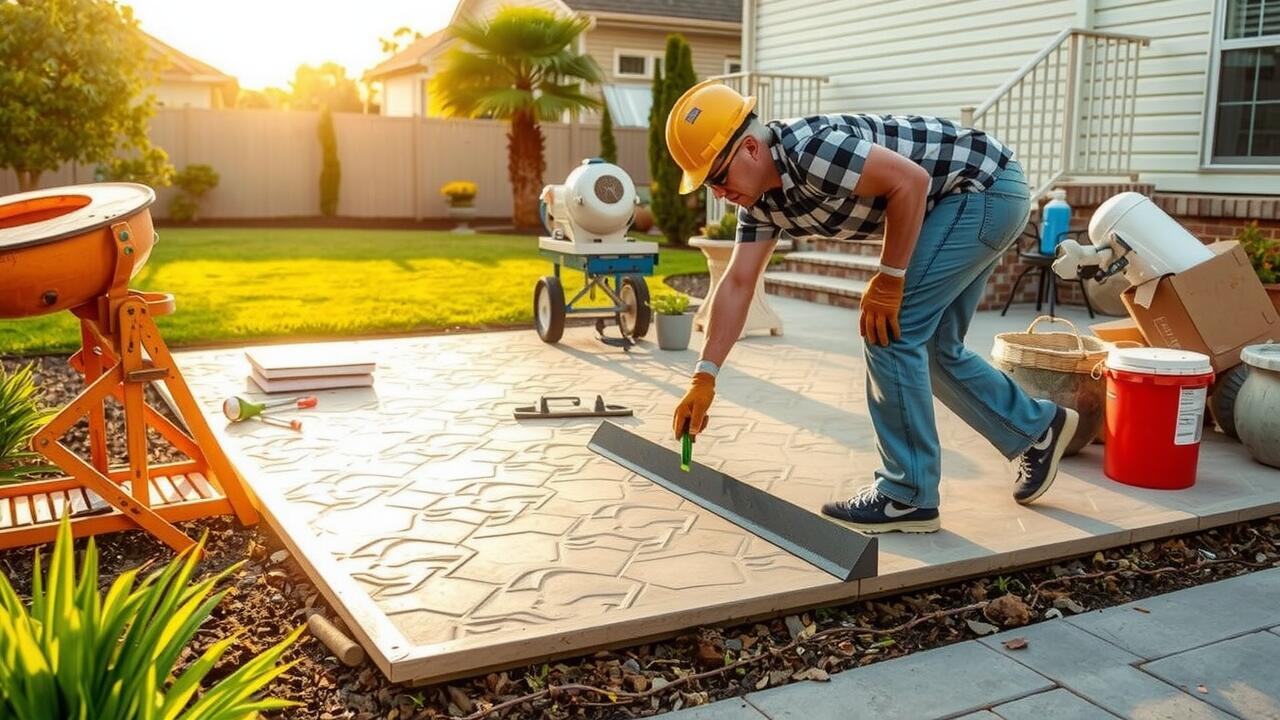
    Stamped concrete melds functionality with artistic expression, allowing homeowners to elevate their outdoor spaces. The process mimics the appearance of natural materials like stone or brick while providing greater durability and lower maintenance. With a variety of colors, textures, and patterns available, stamped concrete installation can transform patios, walkways, and driveways into visually stunning focal points that enhance curb appeal.

    This type of concrete not only satisfies aesthetic desires but also offers significant versatility. Homeowners can choose from an array of designs that suit their personal style, ranging from elegant and traditional to bold and contemporary. The ability to customize patterns and finishes during stamped concrete installation enables a unique look that may be tailored specifically to complement the overall architecture of a home.

    Design Options Available for Stamped Concrete

    Stamped concrete offers a wide range of design options, allowing homeowners to achieve the look of more expensive materials at a fraction of the cost. With various patterns and colors available, it can mimic the appearance of brick, stone, or wood. This versatility makes it a popular choice for patios, walkways, and driveways. During stamped concrete installation, integrative techniques can enhance these designs, providing additional texture and depth, which further elevates the overall aesthetic.

    Customization is a significant advantage of stamped concrete. Homeowners can select from numerous stamp patterns and color combinations to suit their personal style or complement the existing architecture of their homes. The process can also incorporate borders or unique designs that set the stamped surface apart from other concrete finishes. This flexibility not only enhances visual appeal but can also increase property value, making stamped concrete an attractive option for outdoor spaces.

    Aesthetic Value of Poured Concrete

    Poured concrete offers a clean and modern aesthetic that appeals to many homeowners. Its smooth surface can complement a variety of architectural styles, making it a versatile choice for both indoor and outdoor spaces. While its visual impact may not be as bold as stamped concrete, poured concrete can still provide a sleek and polished look that enhances the overall design of a property.

    Customization options for poured concrete can elevate its aesthetic value significantly. Techniques like staining or adding decorative aggregates can create unique finishes that replicate the look of more expensive materials. This adaptability allows homeowners to achieve personalized looks without the high costs typically associated with materials like stone or brick, making poured concrete an appealing alternative even when considering stamped concrete installation.

    Customization Possibilities with Poured Concrete

    Poured concrete offers a versatile foundation for customization, allowing homeowners to choose various finishes and textures. With options like polished surfaces or exposed aggregate, the material can adapt to different aesthetics. Unlike stamped concrete, which relies heavily on patterns, poured concrete can be tailored to meet specific design visions by incorporating additives that change color or texture. This flexibility makes it a popular choice for those seeking unique, personalized outdoor settings.

    In addition to surface finishes, poured concrete can be shaped during installation to create curves and various forms, making it suitable for more intricate designs. Incorporating decorative elements like borders or inlays can elevate the overall appearance, providing a premium look without the extensive process of Stamped Concrete Installation. This adaptability allows for a seamless integration with other landscaping features, ensuring that the final result aligns closely with the homeowner’s style preferences.

    FAQS

    Is stamped concrete generally cheaper than poured concrete?

    Stamped concrete typically costs more than poured concrete due to the additional labor and materials required for the stamping process.

    What are the long-term maintenance costs for stamped concrete compared to poured concrete?

    Stamped concrete may have higher long-term maintenance costs due to its decorative surface, which requires sealing and may be more susceptible to cracking and fading compared to poured concrete.

    Can I customize the design of both stamped and poured concrete?

    Yes, both stamped and poured concrete can be customized, but stamped concrete offers a wider variety of decorative options, including patterns and textures that mimic natural materials.

    How does the aesthetic value of stamped concrete compare to that of poured concrete?

    Stamped concrete is generally considered to have a higher aesthetic value due to its ability to replicate the look of stone, brick, or tile, while poured concrete has a more utilitarian appearance.

    Which type of concrete is more durable, stamped or poured?

    Poured concrete is often more durable than stamped concrete, as the stamping process can create weak points in the surface, making it more prone to damage over time.
  • Review of the Best Stamped Concrete Contractors in Fayetteville

    Review of the Best Stamped Concrete Contractors in Fayetteville

    Cost Considerations for Stamped Concrete Projects

    When budgeting for stamped concrete installation, it’s essential to consider various factors that can significantly influence the overall cost. The size of the area to be covered plays a crucial role, as larger projects naturally require more materials and labor. Additionally, the complexity of the design and the pattern chosen can impact pricing. More intricate patterns generally involve more time and specialized skills, which can lead to higher installation fees.

    Another important element to factor in is the choice of materials used during the stamping process. High-quality concrete and color additives can contribute to a more appealing finished product, but also increase expenses. Labor costs in Fayetteville may vary depending on the contractor’s experience and reputation as well. Understanding these variables will help homeowners make informed decisions when planning their stamped concrete installation project.

    What Affects Pricing in Fayetteville?

    Several factors influence the pricing of stamped concrete installation in Fayetteville. The complexity of the design plays a significant role; intricate patterns or custom colors typically require more labor and materials, raising the overall cost. Additionally, the size of the area to be covered can affect the price, as larger projects may benefit from economies of scale or incur higher transport and material costs.

    Local market conditions also impact pricing for stamped concrete installation. The availability of skilled labor and competition among contractors can lead to variations in quotes. Seasonal demand may further drive prices up or down, with peak construction periods often resulting in higher labor costs. Homeowners should compare multiple estimates to get a clearer picture of the market and ensure they make an informed decision regarding their stamped concrete project.

    Tips for Collaborating with Contractors

    Establishing clear communication from the outset is crucial when collaborating with contractors for your stamped concrete installation. Clearly define your project goals, budget, and timeline to ensure everyone is on the same page. Regular check-ins can help address any concerns and keep the project on track. Don’t hesitate to ask for updates on progress, as well as any challenges the contractor might be facing.

    Being open to suggestions while maintaining your vision can enhance the collaboration process. Contractors often have valuable insights based on their experience with stamped concrete installation. Discuss design options, color choices, and patterns that may complement your property. Building a partnership based on trust and respect fosters a more efficient working relationship and can lead to outstanding results.

    Effective Communication Strategies

    Establishing clear communication with your stamped concrete installation contractor is essential for a successful project. Begin by discussing your specific vision and desired outcomes during the initial consultations. Sharing images or examples can help convey your expectations more effectively. Be open about your budget and any constraints, as honesty fosters transparency and helps the contractor develop a feasible plan.

    Set regular check-ins throughout the stamped concrete installation process to ensure your ideas are being implemented as planned. These updates can help catch any misunderstandings early on. Additionally, encourage your contractor to share insights or recommendations based on their professional experience. Constructive feedback will create a collaborative environment, leading to a final product that meets your satisfaction.

    Maintenance of Stamped Concrete

    Maintaining stamped concrete is essential to ensure its longevity and visual appeal. Regular cleaning helps prevent the accumulation of dirt and debris that can dull the surface. A gentle pressure wash combined with a mild detergent keeps the concrete looking fresh. Sealing the stamped concrete after installation is critical. This protective layer safeguards against moisture intrusion and staining, which can lead to cracking over time.

    Routine inspections can catch early signs of wear or damage. Addressing issues promptly helps avoid costly repairs down the line. During extreme weather conditions, taking preventative measures is advisable. For instance, applying a concrete ice melt can protect against freeze-thaw cycles during winter months. Following best practices can enhance the durability of stamped concrete installation, preserving both its beauty and functionality for years to come.

    Best Practices for Longevity

    To ensure the longevity of stamped concrete, proper care and maintenance are essential. Regular sealing protects the surface from moisture and spills that can lead to staining or cracking. A professional-grade sealant should be applied every few years, especially in areas with heavy foot traffic or intense weather conditions. This preventive measure enhances durability and maintains the vibrant colors of the stamped design.

    Routine cleaning is another key element. Using a pressure washer or a mild detergent can help remove dirt and debris that accumulate over time. Avoid harsh chemicals that might damage the sealant or the concrete itself. Following these best practices after the initial stamped concrete installation will significantly enhance its lifespan, making it a worthwhile investment for any property owner.

    FAQS

    What should I look for when choosing a stamped concrete contractor in Fayetteville?

    When selecting a stamped concrete contractor in Fayetteville, consider their experience, customer reviews, portfolio of previous projects, pricing, and whether they are licensed and insured. It’s also beneficial to ask about the materials they use and their warranty policies.

    How much does stamped concrete typically cost in Fayetteville?

    The cost of stamped concrete in Fayetteville can vary based on factors such as the size of the project, the complexity of the design, and the materials used. Generally, prices range from $8 to $12 per square foot, but it’s best to get quotes from multiple contractors for an accurate estimate.

    What factors affect the pricing of stamped concrete projects in Fayetteville?

    Several factors influence the pricing of stamped concrete in Fayetteville, including labor costs, the intricacy of the design, the type of stamp used, surface preparation needs, and any additional features like coloring or sealing.

    How can I effectively communicate my vision to a stamped concrete contractor?

    To effectively communicate your vision, be clear about your design preferences and budget. Bring visual references, such as photos or samples, and discuss any specific needs or concerns you have. Open dialogue ensures that the contractor understands your expectations.

    What maintenance is required for stamped concrete surfaces?

    Maintaining stamped concrete involves regular cleaning, sealing every few years, and promptly addressing any cracks or damage. Avoid using harsh chemicals and ensure that the surface is cleared of debris to prolong its life and appearance.

  • Round Up of Stamped Concrete Options for Your Home in Fayetteville

    Round Up of Stamped Concrete Options for Your Home in Fayetteville

    Cost Factors to Consider

    When planning a stamped concrete installation, it’s important to evaluate various cost factors that can influence your overall budget. The price of materials often varies based on the type of stamp and color you choose. Additionally, labor costs may fluctuate depending on the experience of the contractor and the complexity of the design. It’s advisable to obtain multiple quotes from reputable installers to ensure you receive a fair estimate.

    In addition to materials and labor, other factors may also impact the total cost of your stamped concrete installation. Site preparation can add to expenses, especially if significant grading or excavation is required. Environmental conditions may impact the timeline and, ultimately, the price. Keeping these considerations in mind will help you make informed decisions as you embark on your project.

    Budgeting for Your Stamped Concrete Project

    When planning your stamped concrete installation, it’s essential to consider the overall costs involved. Pricing can vary widely based on factors such as design complexity, square footage, and the type of stamp used. Materials might also play a significant role in your budget, with high-quality pigments and sealers typically costing more. Factor in labor expenses, which can fluctuate based on the expertise of the contractor and the project’s scale.

    To help manage costs effectively, obtain multiple quotes from contractors who specialize in stamped concrete installation. This process not only provides a clearer picture of standard pricing but also allows you to compare services and materials. It’s vital to weigh the long-term value of your investment. Although initial expenses for stamped concrete may be higher than standard concrete or some pavers, the durability and low maintenance required can lead to significant savings over time.

    Comparing Stamped Concrete to Other Materials

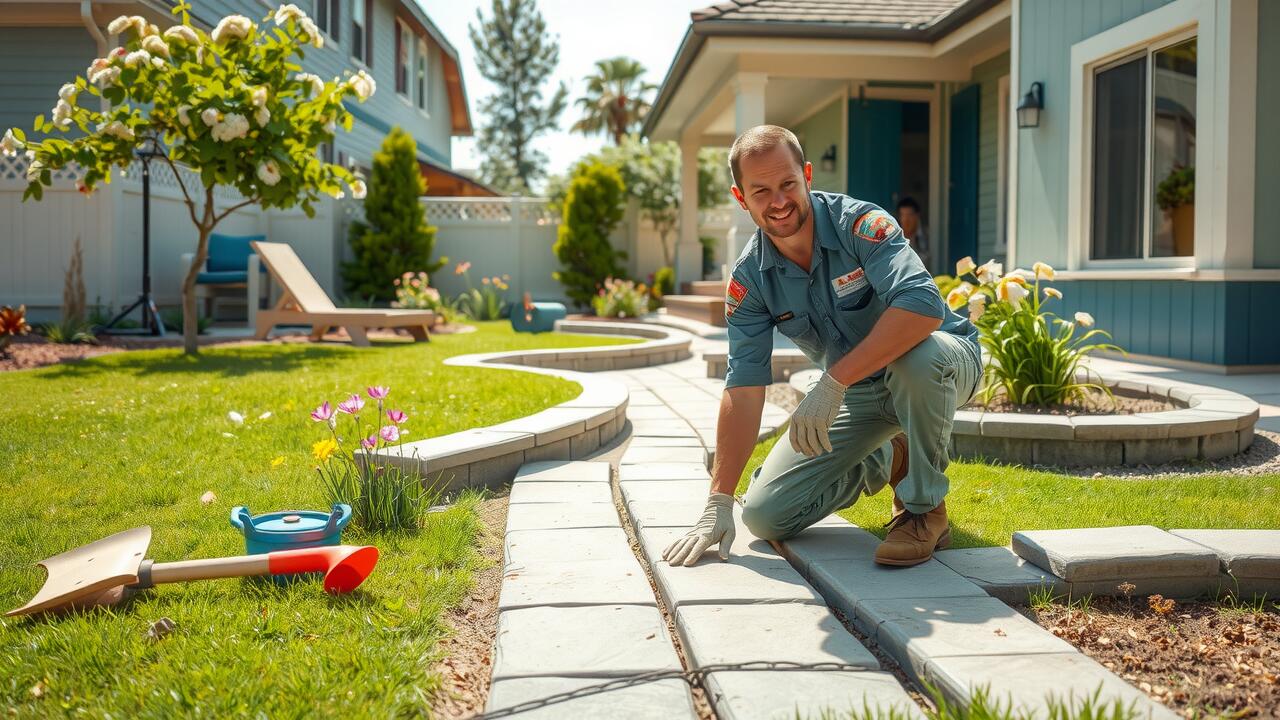
    Stamped concrete offers a versatile and appealing alternative to traditional materials like pavers or asphalt. It can be designed to mimic the appearance of brick, stone, or even wood, providing a unique aesthetic that enhances the overall look of your property. Unlike pavers, which can shift over time, stamped concrete provides a solid, uniform surface. It is also less prone to weed growth, making it an easier option for maintenance.

    Cost and durability further distinguish stamped concrete from other materials. While the initial investment in stamped concrete installation might be higher than simple poured concrete, it often proves more cost-effective in the long run. The longevity and resilience of stamped concrete reduce the need for future repairs or replacements, which can be a significant factor when compared to alternatives like pavers, often requiring additional maintenance. This makes stamped concrete an attractive option for homeowners looking to balance aesthetics and practicality.

    Benefits Over Traditional Concrete and Pavers

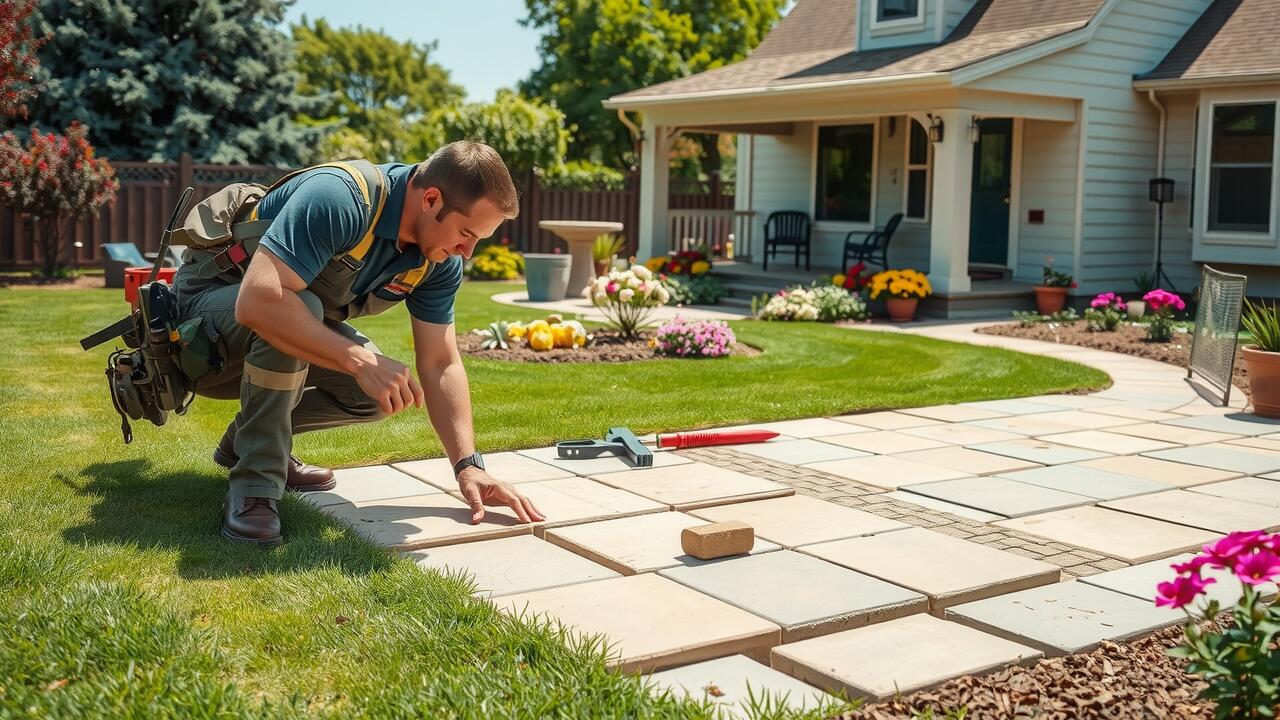
    Stamped concrete offers a range of aesthetic advantages compared to traditional concrete and pavers. This type of concrete can mimic the appearance of more expensive materials like brick, stone, or tile, providing homeowners with a sophisticated look that enhances curb appeal. Through various stamps and colors, stamped concrete can be customized to suit any architectural style, making it a versatile option for outdoor spaces.

    In addition to its visual benefits, stamped concrete installation tends to be more cost-effective than using natural stone or interlocking pavers. The installation process is generally quicker, which can help reduce labor costs. Stamped concrete requires less maintenance over time compared to pavers, which can shift and require replacement or realignment. This durability makes stamped concrete a sensible choice for those looking for both aesthetics and longevity.

    Eco-Friendly Stamped Concrete Options

    Eco-friendly stamped concrete options have gained popularity as homeowners seek sustainable solutions for outdoor spaces. Many manufacturers now produce concrete mixes that incorporate recycled materials, reducing waste and energy consumption. Additionally, some products are designed to minimize the carbon footprint during Stamped Concrete Installation, achieving aesthetic appeal while adhering to environmentally conscious practices.

    Another consideration is the use of permeable stamped concrete, which allows water to flow through rather than creating runoff. This feature not only helps manage stormwater but also promotes groundwater recharge. When planning your project, selecting materials that offer both beauty and sustainability can enhance your landscape while aligning with eco-friendly values.

    Sustainable Practices in Installation

    Sustainable practices in stamped concrete installation begin with selecting eco-friendly materials. Using recycled aggregates reduces the need for virgin resources, minimizing environmental impact. Incorporating non-toxic sealers further enhances the sustainability of the project, ensuring that harmful chemicals are not released into the environment. Innovative techniques in mixing and pouring also contribute to energy efficiency during installation.

    Proper planning and precision in stamped concrete installation can lead to reduced waste. By carefully calculating material needs, contractors can avoid excess that would otherwise end up in landfills. Additionally, utilizing local suppliers supports community businesses and reduces transportation emissions. These practices not only promote sustainability but also create durable, long-lasting surfaces that require fewer resources over time.

    FAQS

    What factors affect the cost of stamped concrete?

    The cost of stamped concrete can be influenced by several factors, including the size of the area being paved, the complexity of the design, the materials used, and labor costs. Additionally, any preparatory work, such as removing existing concrete or grading the ground, may also contribute to the overall cost.

    How can I budget for my stamped concrete project?

    When budgeting for a stamped concrete project, consider getting quotes from multiple contractors, factoring in materials and labor costs, and including a contingency fund for unexpected expenses. It’s also important to define the scope of your project clearly to avoid overspending.

    What are the benefits of stamped concrete compared to traditional concrete and pavers?

    Stamped concrete offers several advantages over traditional concrete and pavers, including a wider variety of design options, lower maintenance requirements, and greater durability. It can mimic the look of natural stones and other materials at a fraction of the cost, making it a popular choice for homeowners.

    Are there eco-friendly options for stamped concrete?

    Yes, there are eco-friendly stamped concrete options available. These may include using sustainable materials, such as recycled aggregates, and implementing water-saving techniques during installation. Additionally, many manufacturers now offer eco-friendly sealers and stains.

    What sustainable practices should I consider when installing stamped concrete?

    Sustainable practices for installing stamped concrete include minimizing waste by accurately measuring materials, using recycled or locally sourced materials, applying low-VOC sealers and stains, and ensuring proper drainage to prevent water runoff issues.

  • Do I need gravel under a concrete slab?

    Do I need gravel under a concrete slab?

    Preparing the Site for a Concrete Slab

    Preparing the site for a concrete slab involves several critical steps to ensure a solid foundation. Begin by assessing the area where the slab will be placed. This includes evaluating drainage patterns and the soil type to determine the best approach for excavation and compaction. Proper drainage is essential to prevent water accumulation, which can lead to slab damage over time.

    Next, clear the site of any vegetation, debris, or old concrete. Excavation should be done to the required depth, typically 4 to 6 inches below the desired finished slab level. After excavation, compact the soil to create a stable base. If gravel will be used, consider its thickness and ensure it is evenly distributed. Following these steps will lead to effective concrete slab installation and enhance the durability of the final result.

    Excavation Techniques

    Excavation techniques play a crucial role in the overall success of concrete slab installation. Proper excavation involves removing soil to create a level base that can adequately support the weight of the slab. Before starting the excavation process, it is important to assess the site and determine any potential obstacles such as underground utilities or large rocks. Utilizing tools like excavators, shovels, or pickaxes can help in efficiently achieving the desired depth and width for the slab.

    In addition to selecting the right tools, ensuring the correct slope is established during excavation is essential. A slight slope directs water away from the slab, preventing future drainage issues. After reaching the desired excavation depth, compacting the soil is vital to eliminate air pockets and consolidate the base. This step not only prepares the site for concrete placement but also enhances the longevity of the concrete slab installation. Properly executed excavation techniques will contribute significantly to the structural integrity and durability of the finished slab.

    Cost Considerations

    When planning for Concrete Slab Installation, it is crucial to take into account the costs associated with materials and labor. The gravel layer beneath the slab serves several purposes, including drainage and moisture control, which can prevent costly issues in the future. Proper budgeting for the gravel material, along with cement, reinforcement, and other associated supplies, will help you avoid overspending during the installation process.

    Additionally, you should consider the potential costs related to site preparation, including excavation and grading. These steps are essential to ensure a solid foundation for your slab. Skimping on these preparations may lead to future repairs that can be significantly more expensive than investing in proper groundwork upfront. Whether you choose to hire a contractor or take on the work yourself, accurate budgeting will ensure a successful Concrete Slab Installation without unexpected financial burdens.

    Budgeting for Materials

    When planning for concrete slab installation, understanding the cost of materials is essential. This includes not only the concrete itself but also any additional components such as gravel, rebar, and moisture barriers. Depending on the size and location of the slab, prices for these materials can vary significantly. Local suppliers may offer different rates, so it is advisable to shop around and obtain multiple quotes to ensure you are getting the best deal.

    Budgeting should also account for potential miscalculations and unforeseen expenses. While it may be tempting to skimp on materials like gravel, doing so can lead to future issues such as uneven settling or cracking. Including a contingency fund within your budget can cover any unexpected costs during the concrete slab installation process. This proactive approach can save time and money in the long run, ensuring a successful project outcome.

    Common Mistakes to Avoid

    One common mistake made during concrete slab installation is neglecting the importance of proper gravel thickness. Many people underestimate the role of a well-compacted gravel base in providing necessary drainage and support. Thin layers of gravel can lead to settling issues over time, which ultimately compromises the slab’s integrity. Ensuring the gravel is at least a few inches thick and evenly distributed helps create a solid foundation for the concrete.

    Another frequent error is skipping the gravel layer altogether. Some may believe they can pour concrete directly onto the soil, but this can result in disaster. Without gravel, moisture can easily seep up into the slab, leading to cracking and other structural problems. A proper gravel base not only aids in drainage but also offers a consistent support surface that enhances the durability of the concrete slab. Understanding these pitfalls is crucial for successful project outcomes.

    Insufficient Thickness of Gravel

    Insufficient thickness of gravel can lead to significant issues during and after concrete slab installation. A base that is too thin may not provide adequate support, resulting in uneven settling or cracking of the concrete over time. This instability can compromise the longevity and structural integrity of the slab, leading to costly repairs down the line.

    The recommended thickness for gravel typically ranges from four to six inches, depending on the project and soil conditions. Properly prepared gravel not only distributes weight evenly but also aids in drainage, reducing the risk of water pooling underneath the slab. Ensuring the right thickness during the installation phase is crucial for achieving a durable and stable concrete surface.

    FAQS

    Why is gravel needed under a concrete slab?

    Gravel provides a stable base, helps with drainage, and prevents cracking by allowing water to flow away from the slab.

    How thick should the gravel layer be under a concrete slab?

    A gravel layer of 4 to 6 inches is typically recommended for optimal support and drainage.

    Can I skip the gravel layer if the ground is already level?

    It is not advisable to skip the gravel layer, as it plays a crucial role in drainage and stability, even on level ground.

    What type of gravel should I use under a concrete slab?

    Crushed stone or gravel with a size of 3/4 inch to 1 inch is commonly used, as it compacts well and provides good drainage.

    Will using gravel under my concrete slab increase the overall cost?

    Yes, adding a gravel layer will increase the initial cost, but it can help prevent future issues, saving money on repairs in the long run.

  • How much does it cost to have a concrete slab laid?

    How much does it cost to have a concrete slab laid?

    Additional Material Costs

    When planning for a concrete slab installation, it’s essential to consider the additional material costs beyond just the concrete itself. Depending on the specific requirements of the project, other materials may be necessary. For instance, gravel for a stable base can add to the overall expense, and reinforcing steel or wire mesh may also be required to enhance the strength of the slab. These additional materials can significantly influence the total cost of the project.

    In addition to base materials, various finishing options can further increase costs. Options such as decorative overlays, stains, or sealants can enhance the aesthetic appeal of the concrete slab. Each of these finishes has its own associated costs, which can vary widely based on quality and desired effects. Homeowners should evaluate their choices carefully, as these additional materials and finishes contribute to the final price of the concrete slab installation.

    Reinforcements and Finish Options

    When considering concrete slab installation, the type of reinforcement chosen can significantly impact the overall durability and cost of the project. Wire mesh and rebar are common options for reinforcement. Wire mesh provides basic support while rebar offers higher tensile strength, especially for larger slabs or areas subject to heavy loads. The choice between these options often depends on the specific needs of the installation and local building codes.

    Finish options also play a crucial role in both the aesthetic and functional qualities of the concrete slab. Decorative finishes, such as stamped concrete or staining, can enhance the visual appeal but may incur additional costs. Standard finishes involve basic smoothing and leveling, which are less expensive and quicker to execute. Homeowners should evaluate their priorities, as the desired finish can affect the overall budget and timeline for the concrete slab installation.

    Permitting and Inspection Fees

    Obtaining the necessary permits for concrete slab installation can vary significantly depending on local regulations. Many municipalities require homeowners or contractors to secure a permit before starting any major construction project. The fees associated with these permits can add to the overall cost, and it’s essential to check with local building departments to understand the exact requirements and fees involved.

    In addition to permitting fees, inspection costs may also come into play. Many areas mandate inspections to ensure compliance with safety codes and quality assurance standards. These inspections often involve a fee, which again can differ widely based on location. Being informed about these potential additional costs can help in budgeting effectively for a concrete slab installation.

    Local Regulations and Requirements

    Local regulations often dictate specific requirements for concrete slab installation. These can vary greatly depending on the jurisdiction, which may include zoning laws, building codes, and safety standards. Homeowners should familiarize themselves with local ordinances that govern aspects such as depth, thickness, and type of materials used in concrete slab installation. Compliance is necessary to ensure the safety and durability of the construction while also avoiding potential fines or mandatory remediation in the future.

    Permitting is another critical component linked to local regulations. In many areas, permits are required before beginning any concrete slab installation project. The application process often involves submitting detailed plans and specifications to the local permitting authority for review. This step helps ensure that the planned installation meets all necessary guidelines for structural integrity and environmental protection. Being proactive about these requirements can help streamline the construction process and mitigate unexpected delays.

    Factors That Increase Overall Costs

    Factors that can significantly elevate the overall costs of concrete slab installation include site conditions and preparation needs. If the area requires extensive excavation or grading, this can drive up labor and equipment expenses. Additionally, poor soil conditions may necessitate further reinforcement measures, such as adding extra layers of gravel or using more complex foundation materials, thereby increasing the total project cost.

    Weather conditions and timing also play a crucial role in determining expenses. Rain or extreme temperatures can delay projects, requiring additional days of labor and possibly leading to increased material costs. Scheduling concrete slab installation during peak construction seasons might result in higher rates due to increased demand for skilled workers and equipment. Proper planning and awareness of these factors can help in managing the budget more effectively.

    Weather Conditions and Timing

    Weather conditions play a significant role in the process of concrete slab installation. Extreme heat can cause the concrete to dry too quickly, leading to cracking and reduced strength. Conversely, cold weather can hinder the curing process, affecting the overall durability of the slab. These factors necessitate careful planning and timing when scheduling the installation to ensure optimal conditions for the concrete to set properly.

    Timing is also crucial, as rain can disrupt the installation process and result in complications such as surface erosion or uneven curing. It’s advisable to monitor local weather forecasts and choose a period that minimizes the likelihood of adverse conditions. Taking these elements into account can help prevent costly delays and additional expenses associated with rework or repairs.

    FAQS

    What is the average cost of having a concrete slab laid?

    The average cost typically ranges from $4 to $8 per square foot, depending on factors such as location, thickness, and finish options.

    Are there additional material costs associated with laying a concrete slab?

    Yes, additional material costs can include reinforcements like rebar or wire mesh, as well as finishing materials and sealants, which can increase the overall price.

    Do I need a permit to lay a concrete slab?

    In many areas, a permit is required for laying a concrete slab. It’s important to check with your local building department to understand the specific regulations and requirements.

    What factors can increase the overall cost of a concrete slab installation?

    Factors that can increase costs include site preparation, accessibility, the thickness of the slab, weather conditions, and additional features such as decorative finishes or insulation.

    How do weather conditions affect the cost of laying a concrete slab?

    Weather conditions can significantly impact costs; for instance, laying concrete in extremely hot or cold temperatures may require additional materials or labor to ensure proper curing, which can increase expenses.

  • Round Up of Popular Patio Designs for Homes in Clinton, Arkansas

    Round Up of Popular Patio Designs for Homes in Clinton, Arkansas

    Elegant Mediterranean Influence

    Mediterranean-inspired patios evoke a sense of relaxation and charm, which suits the climate of Clinton, Arkansas. The use of warm colors and natural materials creates an inviting space that feels both luxurious and comfortable. Terracotta tiles are a staple, offering durability and a classic aesthetic. When considering patio installation, choosing materials that reflect this style helps achieve a cohesive look that enhances the overall architecture of the home.

    Incorporating elements such as wrought-iron furniture, vibrant mosaic tables, and lush greenery can elevate the ambiance further. The layout often emphasizes open spaces, allowing for seamless transitions between indoor and outdoor living. Adding comfortable seating areas encourages lounging and dining al fresco, making it perfect for family gatherings or entertaining guests. With thoughtful patio installation, homeowners can create a picturesque retreat right in their backyards.

    Sun-Soaked Patios with Terracotta Tiles

    Terracotta tiles bring a timeless charm to outdoor spaces, offering warmth and a vibrant aesthetic that enhances the overall ambiance of any patio. Their natural earthy tones complement a wide range of garden landscapes, making them a popular choice for homeowners. When considering patio installation, these tiles not only add visual appeal but also provide durability and resistance to outdoor elements. Their porous nature allows for effective drainage, preventing water from pooling on the surface, a crucial factor in maintaining safety and longevity.

    In addition to their practical advantages, terracotta tiles create a sun-soaked atmosphere perfect for relaxing or entertaining. The tiles absorb sunlight during the day, radiating warmth in the evening and providing a comfortable surface to walk on. Incorporating lush greenery and stylish outdoor furniture can further enhance the inviting environment. A well-planned patio installation with terracotta tiles transforms any outdoor area into a serene retreat for family and friends.

    Functional Outdoor Living Rooms

    Functional outdoor living rooms have become a staple for many homeowners seeking to enhance their outdoor spaces. These areas benefit from a thoughtful layout that promotes both relaxation and social interaction. Arranging comfortable seating, such as sectional sofas or cushioned chairs, allows for intimate gatherings with family and friends. Adding a coffee table or side tables can create functional surfaces for entertaining or enjoying meals outside.

    Incorporating elements like outdoor rugs, ceiling fans, or even outdoor heaters can transform a patio into a cozy sanctuary. During the patio installation process, integrating features like built-in seating or weather-resistant storage benches can maximize space and utility. Combining these elements not only elevates the aesthetic but also ensures that outdoor living rooms are both inviting and practical for year-round use.

    Designing for Comfort and Utility

    Creating a functional outdoor living space involves thoughtful planning and design. Incorporating comfortable seating is essential, allowing family and guests to relax and enjoy their surroundings. Selecting weather-resistant materials ensures durability, while arranging furniture to promote conversation enhances the patio’s utility. Incorporating elements like an outdoor kitchen or grilling area can transform the space into a hub for social gatherings, making patio installation a vital consideration for homeowners.

    In addition to comfort, practical features can elevate an outdoor area. Adding shade structures, such as pergolas or awnings, helps provide relief from the sun and encourages use throughout the day. Using multi-functional furniture can maximize space while maintaining a clean aesthetic. With these considerations in mind, patio installation becomes an investment not just in style, but also in day-to-day livability. Transforming a patio into a comfortable and utilitarian space can greatly enhance the overall enjoyment of a home.

    Family-Friendly Spaces

    Creating a family-friendly patio involves incorporating features that cater to both safety and enjoyment. Durable materials are essential for furniture and flooring. Soft, weather-resistant cushions can enhance seating areas while ensuring comfort. Shade structures like awnings or pergolas provide protection from the sun, allowing kids to play outside for longer periods. Additionally, adding a small sandbox or play area can encourage creative play and keep children engaged.

    When planning for patio installation in a family setting, consider incorporating elements that promote interaction. Outdoor dining tables are perfect for family meals, making it easy to enjoy time outdoors together. Include storage solutions for toys and games to help maintain order and cleanliness. Thoughtful landscaping, such as low-maintenance plants, can provide a beautiful backdrop while ensuring the space remains safe for little ones.

    Safe and Enjoyable Patio Ideas for Kids

    Creating a safe and enjoyable patio for kids involves selecting appropriate materials and features. Adding non-slip surfaces makes a big difference when children are running about. Consider incorporating a designated play area with soft grass or rubber mats for safe landings. This provides a fun zone while keeping the patio accessible and versatile for family gatherings.

    When planning your patio installation, think about integrating elements like child-sized furniture and shaded areas. A picnic table can be perfect for crafts or snacks, encouraging kids to enjoy their outdoor space. Additionally, including garden beds for hands-on activities like planting flowers or vegetables can nurture their interest in nature while also keeping them active.

    FAQS

    What are some key characteristics of Mediterranean-style patios?

    Mediterranean-style patios often feature terracotta tiles, stucco walls, and wrought iron accents. They are designed to create a warm and inviting atmosphere, often with lush plantings and decorative elements that reflect the culture and landscape of Mediterranean regions.

    How can I make my patio more functional for outdoor living?

    To enhance functionality, consider incorporating comfortable seating areas, outdoor kitchens or grills, and shade structures like pergolas or awnings. Additionally, adding elements like outdoor lighting and heating can make the space usable year-round.

    What are some safe patio designs for families with children?

    Family-friendly patios should prioritize safety and comfort. Use non-slip materials for flooring, avoid sharp edges on furniture, and create designated play areas. Incorporating features like shaded spots and soft landscaping can also enhance safety for kids.

    How can I maximize comfort in my outdoor living space?

    Maximize comfort by choosing ergonomic outdoor furniture, adding cushions and blankets, and creating sheltered areas to protect from the sun and wind. Including elements like outdoor rugs and fire pits can also enhance the coziness of your patio.

    What are some popular design trends for patios in Clinton, Arkansas?

    Popular design trends in Clinton include blending natural elements with modern aesthetics, using eco-friendly materials, and creating multi-functional spaces that cater to both relaxation and entertainment. Water features and greenery are also popular for enhancing the outdoor experience.

  • Review of the Best Materials for Concrete Slab Installation in Clinton

    Review of the Best Materials for Concrete Slab Installation in Clinton

    Curing Compounds

    Curing compounds play a crucial role in the success of concrete slab installation. These specialized products help retain moisture in the freshly poured concrete, which is vital for proper hydration and strength development. When applied, curing compounds create a thin film over the surface. This film acts as a barrier, preventing water from evaporating too quickly during the critical curing period.

    Different curing compounds offer varied benefits depending on the specific requirements of a project. Some compounds are designed to enhance curing in hot and windy conditions, while others are suitable for colder environments. Choosing the right curing compound not only aids in achieving optimal compressive strength but also minimizes the risk of surface cracking. Proper selection can greatly influence the longevity and durability of the finished slab.

    Benefits of Different Curing Methods

    Curing compounds play a crucial role in the success of concrete slab installation. They help retain moisture and control temperature fluctuations, which are vital for the hydration process. By preventing rapid evaporation, these compounds reduce the risk of surface cracking and enhance the overall durability of the slab. Different types of curing compounds are available, including water-based and solvent-based options. Selecting the right type ensures that the concrete maintains its intended strength and structural integrity over time.

    Various curing methods offer distinct advantages that can impact the quality of a concrete slab installation. For instance, wet curing involves keeping the surface continuously moist, creating an ideal environment for the concrete to cure properly. In contrast, using curing blankets can provide insulation and retain moisture even in fluctuating temperatures. Each method has its own application scenarios and benefits, often influenced by factors such as climate and project timelines. Understanding these options allows for a more tailored approach to achieving optimal results.

    Understanding Subgrade Materials

    Subgrade materials play a crucial role in concrete slab installation. These materials provide the necessary support and stability for the concrete, helping to distribute loads evenly and prevent future cracking or settling. Common types of subgrade materials include gravel, crushed stone, and sand. Each of these options has distinct properties that affect drainage and compaction, impacting the overall durability of the slab.

    The importance of a solid foundation cannot be overstated. An inadequate subgrade can lead to significant problems down the line, such as uneven surfaces or structural failure. Properly prepared subgrade materials ensure that the concrete slab installation stands the test of time. It is essential to assess the soil quality and make any necessary improvements to achieve optimal results for long-lasting performance.

    Importance of a Solid Foundation

    A solid foundation is crucial for the success of any concrete slab installation. It ensures that the slab remains level and durable over time. Proper subgrade materials, such as compacted gravel or crushed stone, play a significant role in providing stability and drainage. Without a well-prepared base, the concrete may crack or settle unevenly, leading to costly repairs down the line.

    Inadequate preparation of the subgrade can lead to issues like moisture retention and soil erosion. These problems can weaken the slab and compromise its integrity. Investing time and resources in creating a solid foundation will yield better long-term performance for the concrete slab installation, promoting durability and longevity in the completed project.

    Formwork Materials and Techniques

    Choosing the right formwork materials is critical for effective concrete slab installation. Common options include plywood, steel, and aluminum. Plywood is popular due to its affordability and ease of use, making it suitable for small to medium projects. Steel offers durability and strength, making it ideal for larger slab installations. Aluminum, while typically more expensive, is lightweight and reusable, which can save costs in the long run for contractors.

    The techniques used in setting up formwork also play a crucial role in the overall success of the installation. Proper alignment and ensuring that the forms are level will significantly influence the quality of the concrete slab. Using braces can help stabilize the forms and prevent shifting during the pouring process. Ensuring that the formwork is watertight will minimize the risk of material loss, resulting in a cleaner and more precise finish. Each aspect of formwork materials and techniques contributes to a strong and effective concrete slab installation.

    Selecting the Best Forming Systems

    Choosing the right forming system is essential for a successful concrete slab installation. Various options are available, including wood forms, metal forms, and plastic forms. Each type offers distinct benefits. Wood forms are typically preferred for their flexibility and ease of use. Metal forms provide durability and reusable advantages, while plastic forms can be lightweight and versatile for different shapes or designs.

    Compatibility with the specific project requirements plays a key role in the selection process. Factors such as the size and shape of the slab must be considered. Additionally, budget constraints can influence the decision. Properly chosen forming systems ensure that the concrete maintains its shape during the curing process and yields a high-quality finish once the installation is complete.

    FAQS

    What are curing compounds and why are they important for concrete slab installation?

    Curing compounds are materials applied to the surface of freshly poured concrete to retain moisture and promote proper curing. They are important because they help prevent cracking and improve the overall strength and durability of the slab.

    What are the benefits of using different curing methods?

    Different curing methods, such as water curing, curing blankets, or chemical curing compounds, offer unique benefits. Water curing provides consistent moisture, while curing blankets can retain heat. Chemical compounds create a protective film that helps seal in moisture, each method catering to specific project needs and environmental conditions.

    What are subgrade materials, and why do they matter?

    Subgrade materials are the foundational layers beneath a concrete slab, usually consisting of soil, gravel, or crushed stone. They matter because a solid subgrade directly influences the load-bearing capacity and stability of the concrete slab, reducing the risk of settling and cracking over time.

    How can I ensure a solid foundation for my concrete slab?

    To ensure a solid foundation, it’s essential to properly compact the subgrade, use quality materials, and assess soil conditions. Additionally, installing proper drainage and moisture barriers can help maintain stability and prevent future issues.

    What are formwork materials, and what techniques should I consider when installing a concrete slab?

    Formwork materials are temporary structures used to shape and support freshly poured concrete until it hardens. Common materials include wood, metal, and plastic. Techniques to consider include ensuring proper alignment, using sturdy bracing to prevent shifting, and sealing joints to prevent leakage for a smooth finish.

  • Round-Up of Top Tips for a Successful Concrete Slab Installation

    Round-Up of Top Tips for a Successful Concrete Slab Installation

    Formwork Installation Techniques

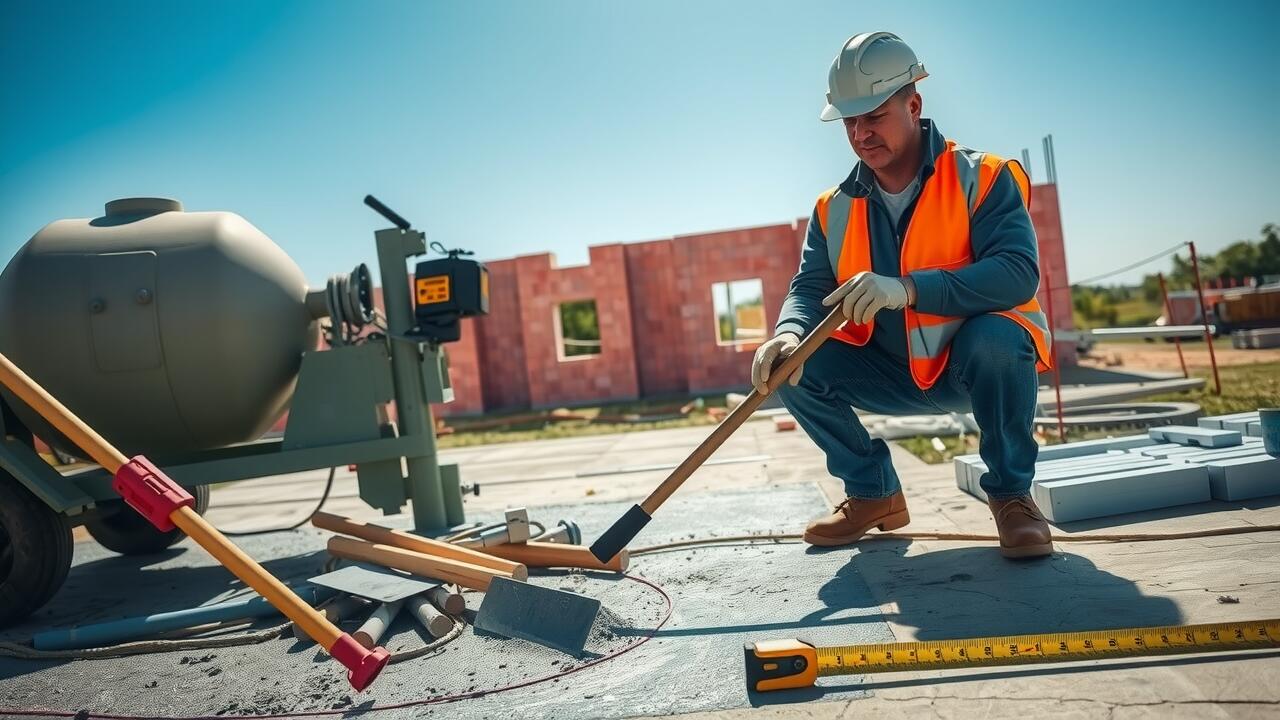
    Proper formwork installation is crucial for a successful concrete slab installation. The forms act as a mold, shaping the concrete as it sets and curing into the desired thickness and dimensions. Start by selecting high-quality materials that can withstand the pressure of wet concrete. Ensure the forms are level and securely anchored to avoid shifting during the pour. Consider using stakes and supports to maintain the integrity of the formwork, especially in larger projects.

    Careful attention to detail during the installation of the formwork can prevent costly mistakes down the line. Maintain clean and straight edges to achieve a polished appearance on the finished slab. When setting up forms, it is essential to account for expansion and contraction, especially in areas with extreme temperature changes. Additionally, using the correct spacing between forms contributes to a uniform slab thickness. Following these techniques will significantly enhance the quality of your concrete slab installation.

    Best Practices for Setting Up Forms

    Proper formwork is essential for successful concrete slab installation. Start by selecting high-quality materials that can withstand the weight of the wet concrete and provide sturdy support. Use wooden or metal forms that are free from warping or damage. Ensure that forms are anchored securely to the ground to prevent shifting during the pouring process. This stability is crucial to maintaining the desired shape and dimensions of the slab.

    Another best practice is to create forms that are perfectly level. Use a level to check that all edges are aligned and that the forms are positioned at the right height. Pay attention to drainage plans and ensure that the forms are set to allow water to flow away from the slab. This will help prevent future issues related to moisture and structural integrity in your concrete slab installation. Properly managing the formwork can significantly impact the overall outcome and longevity of the slab.

    Mixing Concrete Correctly

    Mixing concrete correctly is essential for achieving strength and durability in any concrete slab installation. The right balance of ingredients significantly affects the final product. Standard proportions typically involve one part cement, two parts sand, and three parts gravel, complemented by an appropriate amount of water. It is important to measure all components accurately, as variations can lead to weaknesses in the slab.

    Achieving the right consistency during the mixing process plays a crucial role in the placement and performance of the concrete. The ideal mix should be workable yet not overly soupy, allowing it to hold shape without segregation of materials. A consistent mix allows for easier pouring and better adhesion to reinforcement elements within the slab. Using proper mixing techniques helps ensure that all particles are evenly distributed, resulting in a solid foundation for your concrete slab installation.

    Tips for Achieving the Right Consistency

    Achieving the right consistency for concrete is crucial in any concrete slab installation project. The ideal mix should have a balance of water, cement, and aggregates, ensuring that it is workable yet strong. It is essential to measure each component accurately to avoid problems later. Adding too much water can weaken the structure, while an overly dry mix may result in difficulties during pouring and finishing.

    To gauge the consistency, a slump test can be performed. This test involves filling a cone-shaped mold with the concrete mixture and then carefully lifting the cone away. The slump height will indicate whether the mix is too wet or too dry. Adjustments can be made by adding small amounts of water or dry ingredients as needed. Monitoring these factors closely helps secure a successful concrete slab installation and ensures the longevity of the finished surface.

    Pouring the Concrete Efficiently

    Pouring concrete efficiently is crucial for a successful concrete slab installation. Begin by ensuring that the forms are secured and free of debris. This preparation prevents any interruptions during the pour. Employ a concrete pump or chute for faster application, as this method minimizes spillage and ensures a more uniform distribution across the slab area. Pay attention to the flow of concrete, guiding it toward the corners to achieve even coverage.

    Utilizing multiple workers can also enhance the efficiency of the pouring process. Designate specific tasks to each team member, such as one person managing the concrete source while others spread and level the mix. Using rakes or shovels helps to direct the concrete into place and prevents any low spots from forming. Monitoring the pour closely allows for timely adjustments, helping to maintain the integrity of the slab throughout the concrete slab installation.

    Techniques for Even Distribution

    Achieving even distribution during a concrete slab installation is crucial for ensuring a level surface. Begin by pouring the concrete in a series of systematic passes, allowing it to flow naturally into the formwork. Monitor the material as it spreads, using a screed board to level the surface thoroughly. This technique helps eliminate air pockets and voids, which can compromise the integrity of the slab.

    Use a bull float to further enhance the initial distribution of the concrete, pushing the material into low spots while smoothing the surface. This tool is essential in maintaining a consistent thickness across the entire slab. Pay particular attention to the edges and corners, as these areas often require additional care to ensure that the mix is evenly distributed. Proper techniques during this phase will lead to a stronger and more durable finished product.

    FAQS

    What is formwork in concrete slab installation?

    Formwork refers to the temporary structures built to hold the concrete in place while it sets and hardens, ensuring the slab maintains its desired shape.

    How can I ensure the forms are properly set up?

    To ensure proper setup, make sure the forms are level, securely braced, and constructed from materials that can withstand the weight of the wet concrete without warping or shifting.

    What is the ideal consistency for mixing concrete?

    The ideal consistency for mixing concrete is often described as peanut butter – it should be thick enough to hold its shape but still flowable enough to fill the forms without leaving gaps.

    What techniques can I use for evenly pouring concrete?

    Techniques for even distribution include using a concrete screed to level the surface, starting the pour at one end and working to the other, and using a vibrator to eliminate air pockets and ensure even coverage.

    How long should I wait before removing the formwork after pouring the concrete?

    Generally, you should wait at least 24 to 48 hours before removing the formwork, but it’s best to follow the specific guidelines for the concrete mix used and environmental conditions to ensure proper curing.

  • Review of the Best Patio Contractors in Laurinburg, Arkansas

    Review of the Best Patio Contractors in Laurinburg, Arkansas

    Cost Considerations for Patio Projects

    When planning a patio project, one of the first aspects to evaluate is the budget. Costs can vary significantly based on factors such as size, materials, and labor. Patio installation typically ranges from a few hundred to several thousand dollars, depending on the complexity of the design and the quality of materials chosen. Homeowners should also keep in mind the costs associated with site preparation, which may include leveling the ground or removing existing structures.

    Another important consideration is the potential for unexpected expenses during the patio installation process. Issues such as poor soil conditions or the need for permits can arise, impacting the overall budget. To minimize surprises, it helps to obtain detailed estimates from contractors. This allows for a more accurate financial plan and can lead to informed decisions regarding the investment in quality materials and skilled labor for a lasting outdoor space.

    Factors Influencing Pricing

    Several factors influence the pricing of patio projects, and one of the most significant is the size of the area being transformed. A larger patio requires more materials and labor, which naturally drives up costs. The complexity of the design also plays a crucial role. Simple layouts are generally less expensive compared to intricate designs that might involve multiple levels or unique features. Homeowners should carefully consider the dimensions and layout, as these elements directly impact the overall budget.

    Another key element affecting pricing is the choice of materials for patio installation. Options range from concrete and brick to stone and pavers, each with its own price point and aesthetic appeal. Higher-quality materials often come with a greater initial expense but can offer enhanced durability and long-term value. Availability of materials in the local market can also sway prices. Seasonal fluctuations may affect supply, thus impacting costs. Understanding these influences can help homeowners make informed decisions when planning their patio projects.

    Common Patio Materials Used

    When considering materials for patio installation, homeowners typically gravitate towards options like concrete, pavers, and natural stone. Concrete is a popular choice due to its durability and versatility. It can be poured in various shapes and stamped with different patterns, offering aesthetic flexibility. Pavers, made from clay or concrete, are another favored option, as they come in multiple colors and sizes, allowing for intricate designs. Natural stone, such as flagstone or slate, provides a timeless appeal but often comes at a higher price point due to sourcing and installation complexity.

    Each material offers distinct advantages that cater to different preferences. Concrete provides a solid surface that resists fading and cracking, making it ideal for high-traffic areas. Pavers allow for easier repairs, as individual pieces can be replaced without affecting the entire surface. Natural stone provides a unique look for every patio, showcasing the beauty of natural elements. Selecting the right material can significantly enhance the effectiveness and longevity of the patio installation.

    Benefits of Each Material Type

    Concrete is a popular choice for patio installation due to its affordability and durability. It can withstand harsh weather conditions and is relatively low maintenance. Additionally, concrete can be poured into various shapes and finished with different textures, allowing for flexibility in design. Homeowners appreciate its versatility, as it can be stained or stamped to mimic more expensive materials like stone or brick.

    Natural stone is another favored option, known for its aesthetic appeal and longevity. Each stone piece is unique, offering a sophisticated look that enhances outdoor spaces. Although it tends to be pricier than concrete, its resistance to wear and damage makes it a worthwhile investment. Many homeowners prefer stone for its natural beauty and the ability to create a seamless integration with landscaping, adding to the overall charm of their patios.

    Trends in Patio Designs

    The world of patio designs has evolved significantly, embracing both functionality and aesthetics. Homeowners now prioritize outdoor spaces that seamlessly blend with their living areas. This shift has led to a surge in interest for multi-level patios, outdoor kitchens, and integrated fire pits. These features enhance usability and offer a space for gatherings, providing versatility to various lifestyles.

    Sustainable materials are gaining traction, with many homeowners opting for eco-friendly options. Reclaimed wood and permeable pavers are common choices that reflect a growing commitment to environmental consciousness. Additionally, minimalist designs with clean lines and neutral color palettes have become increasingly popular. This trend allows for personalization while maintaining a cohesive look, making patio installation an effortless extension of the home’s overall design.

    Popular Styles for Modern Patios

    Contemporary patio designs often emphasize minimalism and functionality, reflecting an overall trend toward clean lines and open spaces. Many homeowners opt for large, rectangular shapes that integrate seamlessly with the surrounding landscape. Darker hues are becoming increasingly popular, presenting a striking visual contrast to lush greenery. Innovative elements such as built-in seating and fire pits are frequently added, enhancing both comfort and social interaction.

    Another favored style in modern patios is the use of mixed materials, combining stone, wood, and metal for a dynamic appearance. This approach allows for greater customization, catering to individual tastes while also promoting durability. Designers often recommend Patio Installation methods that ensure seamless transitions between indoor and outdoor living areas. The ongoing trend of creating outdoor “rooms” encourages a sense of continuity in design, blurring the line between the home and the backyard.

    FAQS

    What should I look for when choosing a patio contractor in Laurinburg, Arkansas?

    When choosing a patio contractor, consider their experience, customer reviews, portfolio of past work, licensing and insurance, and their ability to communicate effectively about your project needs.

    How much does it typically cost to build a patio in Laurinburg?

    The cost of building a patio can vary widely based on factors like size, materials used, and design complexity. On average, you can expect to spend anywhere from $2,500 to $10,000 or more.

    What are the most common materials used for patios?

    Common patio materials include concrete, pavers, natural stone, and brick. Each material has its unique benefits and aesthetic appeal, making them suitable for different styles and budgets.

    What are the benefits of using pavers for my patio?

    Pavers are highly durable, available in various colors and designs, and easy to repair. They allow for good drainage and can be arranged in creative patterns, adding visual interest to your outdoor space.

    What are the current trends in patio design?

    Current trends in patio design include the integration of outdoor living spaces, the use of sustainable materials, and the incorporation of natural elements like fire pits and water features, creating a seamless transition between indoor and outdoor environments.

  • Roundup of Trending Patio Designs for Homes in Laurinburg

    Roundup of Trending Patio Designs for Homes in Laurinburg

    Multi-Functional Patios

    Multi-functional patios are increasingly popular in Laurinburg homes as they combine aesthetics with practicality. These spaces cater to various activities, from hosting lively gatherings to providing a quiet retreat for relaxation. By incorporating different zones such as dining areas, lounges, and cooking stations, homeowners can maximize their outdoor space’s usability. With careful design, a single patio can transform into a vibrant social hub during the day and a peaceful sanctuary at night. Patio installation requires thoughtful planning to ensure functionality while maintaining visual appeal.

    The choice of materials and furniture in multi-functional patios can significantly influence their effectiveness. Durable yet stylish furnishings encourage use in different settings, whether for dining, entertaining, or simply unwinding. Integrating features like built-in seating or versatile tables can enhance the adaptability of the space. Smart patio installation can also include shade structures to make the environment comfortable in varying weather conditions. These elements together create a seamless flow between indoor and outdoor living, inviting homeowners to fully enjoy their patios throughout the year.

    Versatility for Entertaining and Relaxation

    Outdoor spaces have evolved into essential areas for both social gatherings and personal retreat. Homeowners in Laurinburg are increasingly recognizing the importance of a versatile patio, designed to accommodate various activities, from hosting summer barbecues to enjoying quiet evenings under the stars. Patio installation focused on creating defined zones enhances functionality, allowing for dedicated areas for dining, lounging, and even outdoor kitchens.

    Incorporating comfortable furniture and weather-resistant materials ensures that these spaces remain inviting throughout the year. Strategically placed fire pits or heaters can provide warmth during cooler months, while shade structures offer relief from the sun. This thoughtful combination creates an inviting atmosphere where relaxation meets entertainment, allowing homeowners to tailor their patio spaces to their unique lifestyle needs.

    Innovative Patio Lighting

    Creative patio lighting can transform outdoor spaces into enchanting retreats. From string lights draping above to integrated LED fixtures along pathways, homeowners are exploring various options to enhance ambiance. The right illumination not only elevates aesthetics but also extends usability into the evening hours. This growing trend emphasizes both form and function, enabling areas designed for social gatherings or quiet evenings under the stars.

    Incorporating innovative lighting solutions during patio installation offers versatility in design. Using adjustable lighting fixtures allows homeowners to change the mood depending on the occasion. Solar-powered lights, for example, can be an eco-friendly alternative that reduces electricity costs. With the right mix of design and technology, outdoor spaces can achieve both warmth and practicality, making them an ideal choice for Laurinburg residents.

    Setting the Mood with Illumination

    Illumination plays a crucial role in creating the right ambiance for outdoor spaces. Homeowners in Laurinburg are increasingly opting for strategically placed lighting to enhance their patios. From string lights draped over pergolas to LED fixtures embedded in the ground, these elements can transform a simple gathering space into a warm and inviting retreat. The careful integration of light not only highlights architectural features but also provides safety and functionality for evening gatherings.

    Patio installation now often includes innovative lighting solutions that cater to both aesthetics and practicality. Solar-powered lights are gaining popularity for their eco-friendliness and ease of installation. In addition to highlighting pathways and seating areas, accent lighting can draw attention to unique design elements, such as planters or water features. The right lighting choices can elevate outdoor living experiences, allowing homeowners to enjoy their patios well into the night.

    Water Features for Tranquility

    Incorporating water features into patio designs can create a serene ambiance that transforms outdoor spaces into tranquil retreats. Homeowners in Laurinburg are increasingly opting for elements such as fountains and small ponds to enhance the natural beauty of their patios. These features not only provide visual appeal but also introduce soothing sounds of flowing water, promoting relaxation and peace. The gentle trickle of a fountain can drown out unwanted noise, creating a sanctuary for those seeking solace in their backyards.

    When planning for patio installation, it is important to consider the space available and the style of water feature that best complements the overall design. A simple tabletop fountain can add a touch of elegance to a cozy gathering area, while a more elaborate pond with aquatic plants can serve as a stunning focal point. Integrating lighting around these water features can further heighten the atmosphere, allowing homeowners to enjoy their outdoor space well into the evening hours. Balancing functionality with aesthetic appeal ensures that water features contribute to both the beauty and enjoyment of the patio.

    Adding Serenity with Fountains and Ponds

    Water features have become increasingly popular among homeowners looking to create peaceful outdoor spaces. Fountains and ponds can add a touch of serenity to any patio, transforming a simple area into a tranquil retreat. The soothing sound of flowing water can mask unwanted noise, allowing individuals to unwind and enjoy their surroundings. When planning a patio installation, incorporating these calming elements can greatly enhance the overall vibe.

    Moreover, the aesthetic appeal of a pond or fountain can elevate the design of your patio. Strategically placed water features serve as focal points and can be surrounded by lush greenery and vibrant flowers. This combination invites nature into outdoor living spaces, making them more inviting and enjoyable. Whether opting for a small, bubbling fountain or a larger pond with aquatic plants and fish, these additions make every patio installation an opportunity for unique personalization and relaxation.

    FAQS

    What are multi-functional patios, and why are they trending?

    Multi-functional patios are outdoor spaces designed to serve various purposes, such as entertaining guests, relaxing, or dining. They are trending because they maximize space and cater to diverse activities, making them ideal for modern homeowners looking to enhance their outdoor living experience.

    How can I incorporate innovative patio lighting into my design?

    You can incorporate innovative patio lighting by using a mix of ambient, task, and accent lighting. Consider installing string lights, lanterns, or built-in LED fixtures to create a warm atmosphere. Additionally, smart lighting options can allow you to adjust brightness and color to suit different occasions.

    What types of water features are popular for patios in Laurinburg?

    Popular water features for patios in Laurinburg include fountains, small ponds, and water walls. These features add a sense of tranquility and can serve as focal points, enhancing the overall aesthetic of your outdoor space.

    How can I ensure my patio is suitable for both entertaining and relaxation?

    To ensure your patio is suitable for both entertaining and relaxation, create distinct zones within the space. Use furniture arrangements to designate areas for socializing, such as seating around a fire pit, and quieter zones, like a hammock or lounge chairs near plants or water features.

    What materials are best for creating a stylish and durable patio?

    The best materials for creating a stylish and durable patio include natural stone, pavers, concrete, and composite decking. These materials offer a good balance of aesthetics and longevity, ensuring that your patio remains attractive and functional over time.